
March 9, 2026

white wooden door with silver door lever
Design

Craft Custom Vanities for Your Space

Stepping into a bathroom designed around your exact style and needs can transform your daily routine. Custom vanities offer that kind of tailored experience, but many people miss key details during the design phase. One frequent mistake is ignoring how the vanity’s size relates to the room. A bulky vanity in a small bathroom crowds the space, while too small a unit leaves you scrambling for storage. Take measurements twice and imagine how the vanity fits with doors, fixtures, and traffic flow before making decisions. Choosing materials is more than an aesthetic call. Cutting corners with cheap laminates or low-grade plywood often leads to water damage or quick wear in a moisture-heavy environment. Wood species like maple or oak stand up well over time, but require proper sealing. Engineered stone tops combine durability and low upkeep but vary widely in quality, visit showrooms to feel the difference. Also, check edges and joints; sloppy workmanship shows fast in daily use. Storage layout deserves serious thought. A vanity that looks great but lacks functional compartments quickly becomes a dumping ground. Think about your routine: do you need easy access to multiple skincare products or tall spaces for hair tools? Include a mix of drawers with dividers and adjustable shelves to keep items tidy and reachable. Many designers recommend soft-close hardware to prevent slamming, which preserves both finish and peace. Lighting often gets minimal attention but shapes how your vanity performs. Single overhead lights cast shadows that complicate tasks like shaving or makeup application. Layered lighting, ambient for general illumination, task lights flanking the mirror, and subtle accent lights, works best. Consider LED strips under cabinets or around mirrors for even, shadow-free light that highlights your vanity’s features. A unified design scheme ties everything together. It’s tempting to mix styles, but mismatched colors and hardware can fracture the visual flow, making the bathroom feel chaotic rather than restful. Stick to a palette that complements existing tiles and wall colors. Hardware finishes should coordinate too; mixing brushed nickel with polished chrome rarely looks intentional. Small details like matching drawer pulls and faucet finishes create cohesion. Professional guidance can save headaches and improve outcomes dramatically. Exploring custom vanities tailored to your space helps you avoid common pitfalls like poor fit or material mismatch. Designers can suggest practical layouts based on years of experience and local building codes. They often spot issues before they become costly problems, such as clearance conflicts or inadequate plumbing access. Planning includes more than just picking styles and materials; it extends to installation logistics. Homeowners sometimes overlook how plumbing or electrical work affects vanity placement, leading to last-minute adjustments. Having detailed plans and clear communication with contractors prevents delays. Measuring cabinets, sinks, and fixtures on-site before ordering reduces surprises. And keeping a simple checklist of must-haves versus nice-to-haves helps focus choices under budget constraints. If you want reliable advice on custom cabinetry options, check out bathroom remodeling assistance. These resources can guide you through design decisions and connect you with skilled tradespeople familiar with bathroom specifics. Real-world insights from those who’ve managed similar projects are invaluable when balancing style with everyday function. Above all, invest in quality craftsmanship combined with smart planning. A well-made vanity isn’t just a feature; it’s an upgrade to your daily life that holds up over years of use. Avoid rushing or settling for less, it pays off in durability, satisfaction, and a bathroom that truly feels like your own.
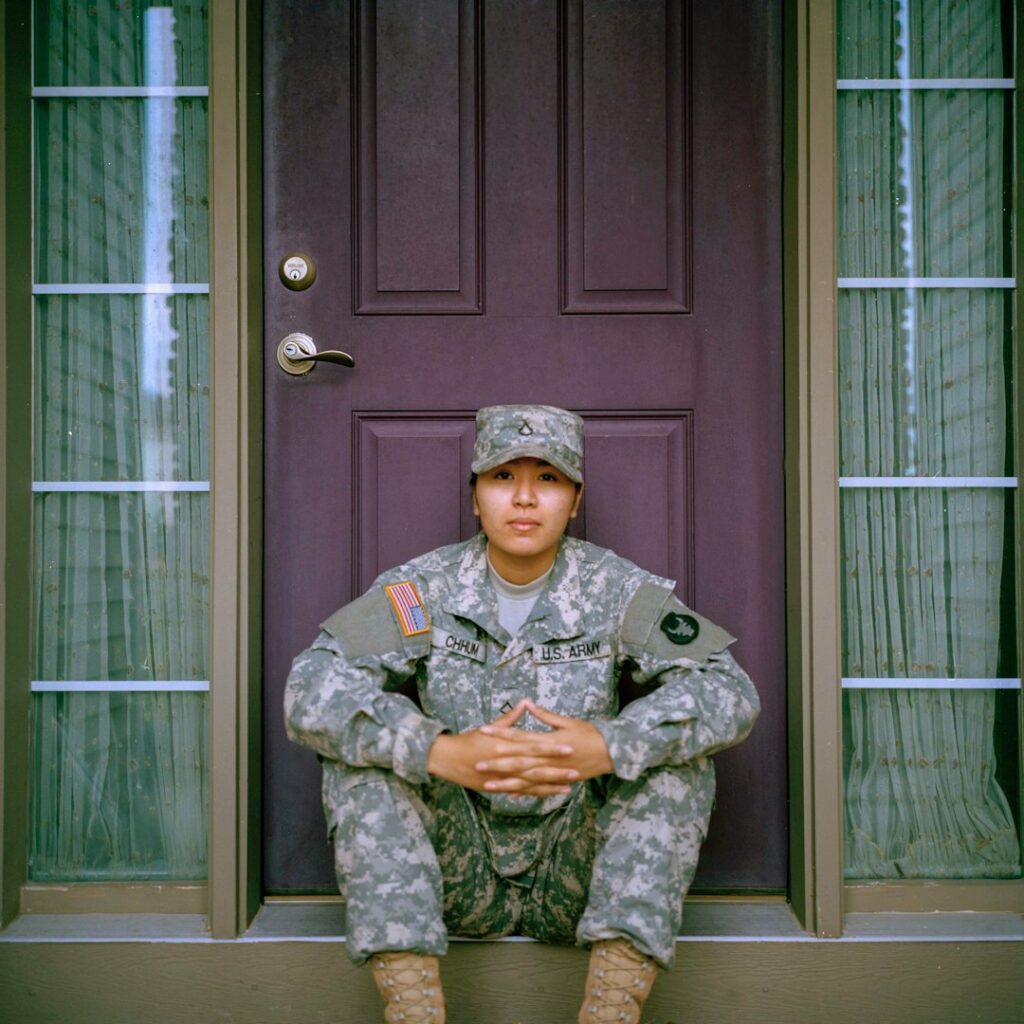

woman sitting in front of closed door
Business

Planning Support Events for Veterans

Organizing an event to support veterans demands a clear understanding of their distinct needs. Imagine a local business owner planning a fundraiser or an awareness event. They often get bogged down by details like finding a venue that respects military traditions or designing a program that connects with veterans and their families. The atmosphere must be respectful and engaging, while also covering practical elements such as accessibility and timing. A common snag is underestimating how much time it takes to coordinate with veteran groups or secure permits, so building a buffer into your schedule is wise. A solid grasp of military culture and protocol is key for any event planner working in this space. Knowing when and how to include a color guard, or when to observe a moment of silence, adds depth and meaning. It’s not just about the ceremony; understanding the significance behind medals, flags, and ranks helps avoid missteps that can alienate attendees. For example, misplacing a flag or mixing up service branch honors can cause unintended offense, so double-checking these details with veteran advisors is a common practice. Different types of events serve different purposes and require tailored planning. Job fairs need close coordination with employers who appreciate veterans’ skill sets, including translating military experience into civilian job qualifications. Memorial services focus heavily on emotional resonance, carefully selecting speakers who can share personal stories or historical context. Family-friendly festivals must balance entertainment with educational content about veterans’ contributions. Each event demands a unique approach to logistics, from sound systems suited for outdoor gatherings to providing quiet spaces for veterans who may need them. Collaboration with local veteran service organizations and businesses can transform an event. These groups offer not only credibility but also access to speakers who bring authenticity and insight. They can identify unmet needs within the community, like mental health resources or job placement programs, guiding the event’s focus. Local businesses provide sponsorships and in-kind support, such as catering or equipment rental, which can reduce costs significantly. One practical tip is to formalize these partnerships early in the planning phase to avoid last-minute gaps. Communication before and after the event is critical. Using social media channels and newsletters keeps the community informed and builds momentum. Announcing key participants or special activities grabs attention, while post-event surveys reveal what worked and what didn’t. It’s common for planners to find that simple changes, like clearer parking instructions or adding wheelchair ramps, make a big difference in veteran satisfaction. Consistent follow-up also strengthens relationships for future events. Staying updated on issues affecting veterans helps tailor event content meaningfully. Topics like access to mental health care, employment hurdles, or benefits changes are often front and center. Including panels or informational booths on these subjects can engage attendees beyond socializing. It’s practical to consult recent government publications or veteran advocacy groups for accurate information. Ignoring these ongoing concerns risks making events feel disconnected from veterans’ realities. For those setting out to plan veteran support gatherings, tapping into local services that specialize in these events is smart. These professionals bring knowledge about venue selection, programming ideas, and outreach techniques tailored to military audiences. They also understand common pitfalls, like scheduling conflicts with national observances or miscommunications with veteran groups, and help avoid them. Working with seasoned planners can save time and improve the overall impact. There are numerous online resources offering guidance on effective event planning for veterans. Sites like veteran support events provide practical tips and templates that save hours of trial and error. Staying current with trends in veteran engagement helps planners keep their approach relevant and respectful. By building strong community ties and focusing on meaningful programming, event organizers can create experiences that truly honor veterans while addressing their specific needs. Whether it’s a small meet-up or a large public event, attention to detail, from the invitation wording to the choice of music, matters in crafting a setting that respects and supports those who served. resources for veteran event planning offer additional insights for anyone committed to getting it right.

Construction Materials

Choose Fire Watch Guards Wisely

Picture arriving at a construction site only to find a small fire has started. It’s not just the building at risk, but the workers too. Having trained fire watch guards right there can stop a situation from getting out of hand. These guards specialize in spotting fire hazards and making sure safety rules are followed, especially where flammable materials are involved. Their quick response can prevent serious damage and injuries before the fire department arrives. During construction, fire protection systems like sprinklers might not be set up yet. Welding or cutting metal creates sparks that can ignite nearby materials. A dedicated fire watch guard stays alert during these tasks, watching closely for any sign of fire. They know how fire behaves and are trained to use extinguishers correctly, which helps contain small fires fast. It’s common for guards to carry portable extinguishers and keep detailed logs of any unsafe conditions they spot. Those logs often become crucial if an incident needs reviewing. Fire watch guards are also vital at events held in temporary spaces such as tents or marquees. These locations often lack built-in fire safety features, so having someone trained to monitor fire risks is necessary. Event organizers benefit from guards who understand evacuation routes and emergency protocols, reducing confusion if an alarm goes off. Communication gear is standard issue for these guards. Radios let them call for backup immediately if a situation escalates. They also carry first aid kits to handle minor injuries on the spot. A practical habit on job sites is for fire watch guards to conduct regular patrols, checking all areas where fire risks exist rather than staying in one place. This habit helps spot problems early, like overheated equipment or blocked exits. Choosing a fire watch service provider means checking their credentials carefully. The best companies employ licensed guards who have completed thorough training on local fire codes and emergency responses. Insist on seeing their training certificates and verify their experience in similar environments. It’s common for miscommunication to arise about who is responsible for fire safety, so clarify duties clearly with your provider before work begins. Industries with high fire risk, manufacturing plants, chemical storage facilities, or warehouses handling combustible goods, benefit greatly from fire watch guards. These settings demand constant oversight since hazardous materials can ignite quickly without warning. A well-implemented fire watch strategy helps reduce the chance of fires starting and ensures compliance with safety regulations. Many security firms include mobile patrols as part of their fire watch service packages. Guards move around the site regularly, not just staying put, which deters unsafe practices and keeps all areas in check. This approach catches issues like improperly stored flammables or malfunctioning machinery early on. It also keeps workers aware that safety is being actively monitored. Assess your site’s specific fire risks carefully before hiring. Temporary sites, ongoing industrial operations, and event venues all have different needs. Having qualified personnel ready to respond can make a big difference in preventing fires. For businesses wanting to improve their workplace safety, contacting providers about fire safety planning advice is a practical next step.

bokeh photography of condenser microphone
Event

Custom Microphone Flags in Australia

When you’re at a live event, a microphone is more than just a tool for sound, it’s part of your brand’s image. A plain microphone can look unprofessional or forgettable. Custom microphone flags solve that by making your brand instantly visible and adding weight to your presence. Whether you’re running a corporate seminar or covering a news story, the right flag helps your audience recognize you immediately and reinforces your message. Standard cubes are often the go-to for broadcasters. These are usually built from tough materials to withstand constant use. They fit a range of microphones snugly, which helps avoid wobbling or detachment during recording. A well-fitted cube also cuts down on wind noise, improving audio clarity. But it’s important to measure your microphone carefully before ordering. Using the wrong size can cause the flag to sit crooked or fall off, derailing your setup. Event cubes have become popular recently because they’re lightweight and highly portable. If you’re hopping between venues or juggling multiple events in a short span, these cubes make life easier. They often attach quickly to handheld or studio mics without affecting sound quality. I’ve seen crews swap them out mid-event with minimal fuss, saving time and frustration. A frequent mistake is ignoring the design’s visibility. Your logo must be legible from several meters away, especially on camera. Complex logos with many colors can blur into an indistinct shape when filmed from a distance. Simplify your design elements to keep your branding sharp and clear under different lighting and angles. When requesting samples or quotes, prepare detailed specs. Include your microphone model, the preferred dimensions of the flag or cube, and high-resolution logo files in vector format. Mention where you’ll use the flags, indoor studios or outdoor settings, as material durability varies accordingly. Outdoor use demands weather-resistant materials that stand up to sun and rain. Testing prototypes before finalizing orders is a step often skipped but highly recommended. Place your test flags on the actual microphones you’ll use and observe how they perform under typical conditions. Check for stability, visibility on camera, and any interference with microphone handling. This hands-on trial helps catch problems early, reducing waste and ensuring your branding looks right. In Australia, there are several suppliers who specialize in custom microphone flags tailored to your needs. Many offer fast turnaround on quotes and samples, so you won’t be left waiting long to see options. You can compare different materials and styles to find what fits both the look you want and the practical demands of your events. For those interested, microphone flags australia offer effective ways to boost brand recognition during broadcasts. Keep in mind that ordering custom flags is about more than just appearance; it’s about making your brand easy to identify in crucial moments. Good materials combined with clean designs ensure your message comes across loud and clear without distractions. Also, maintaining a checklist for measurements and logo files prevents back-and-forths with suppliers and cuts down on delays. If you want to explore options or need advice on getting started, check out custom microphone flag printing for practical information tailored to Australian markets.

Scroll to Top