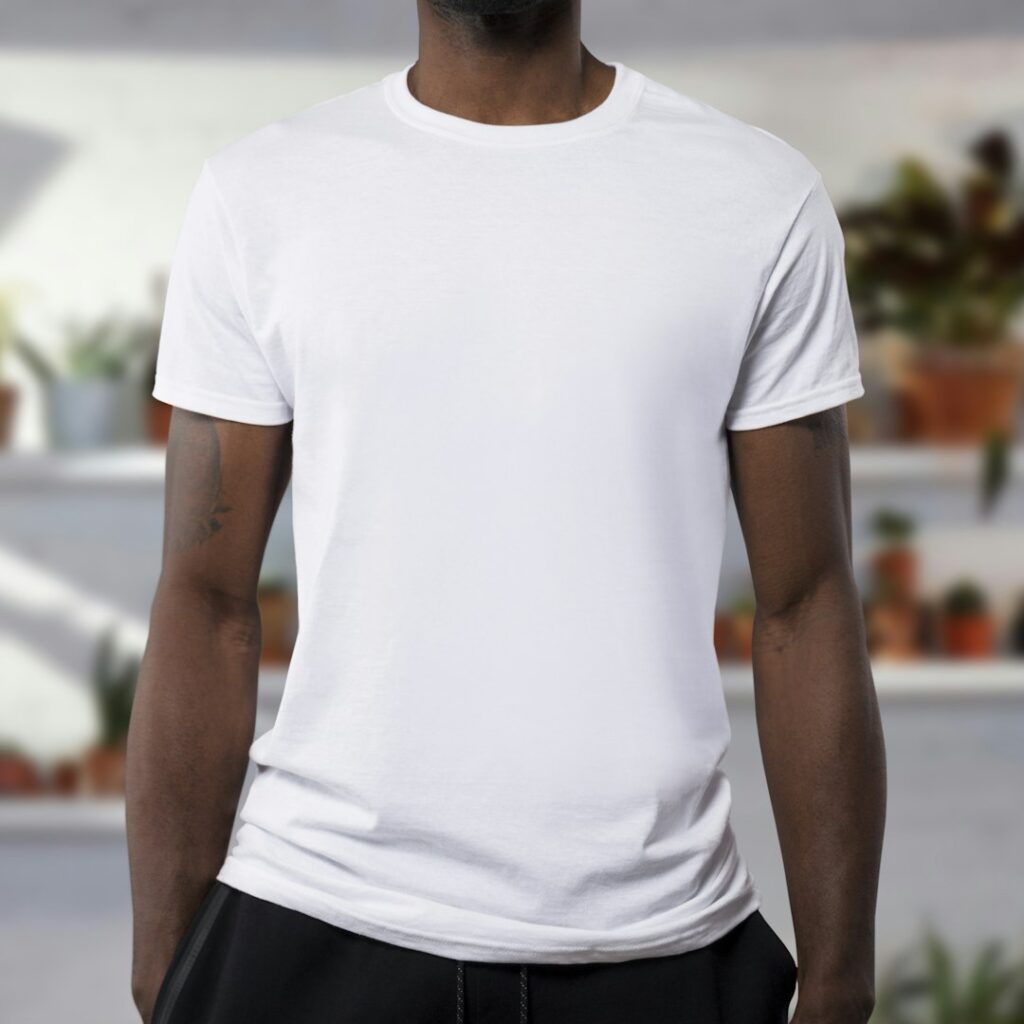
Custom T-Shirt Printing Services in Singapore
Walking into an event where everyone wears a plain shirt can be uninspiring. Custom t-shirt printing in Singapore offers a chance to break that monotony with designs that capture personality or brand identity. It’s a practical way to make your group or company stand out without spending a fortune. Silkscreen printing remains a staple for bulk orders. The process presses ink through a mesh screen onto fabric, producing vibrant, long-lasting colors. This method is cost-effective when handling large quantities, which is why many businesses choose it for promotional events or uniforms. One detail often overlooked is ensuring your artwork is vector-based to avoid blurry prints, which can save time and reprints. Dye sublimation works differently by turning ink into gas and bonding it directly with polyester fibers. The results are bright, durable prints that cover the entire shirt surface, perfect for elaborate or photographic designs. Keep in mind, this technique only works on light-colored polyester garments, so fabric choice matters here. A common mistake is ordering cotton shirts expecting the same effect, which leads to disappointment. Embroidery adds texture and a professional edge by sewing thread into the fabric. It’s especially popular for logos on corporate uniforms or high-quality merchandise. Stitch density and thread color selection are practical concerns; too dense stitching can stiffen fabric, and poor color contrast can make logos illegible from a distance. Checking sample swatches before finalizing helps prevent these issues. Direct to Garment (DTG) printing uses inkjet technology to apply designs straight onto cotton shirts. It’s ideal for small batches or one-offs since it avoids setup fees linked with screens. DTG handles detailed images well but requires pre-treatment of garments to ensure ink adhesion and wash durability. Some printers include this step automatically; others require you to specify it. Digital heat transfer involves printing your design on special transfer paper and using heat to press it onto the shirt. This method suits intricate images and quick turnaround orders. However, the print can feel heavier on the fabric, so it’s less popular for everyday wear. Businesses often reserve heat transfer for limited-time promotions or event giveaways where speed is critical. Vinyl printing cuts colored sheets into shapes and applies them with heat press. It excels at producing sharp text and simple graphics with excellent durability through multiple washes. Sports teams like this method for numbering and lettering on jerseys because vinyl withstands wear and tear better than many print types. A practical tip: vinyl colors might appear slightly different under various lighting, so reviewing physical samples is advisable. For those exploring options, custom t shirt printing singapore offers tailored services matching various needs, whether for corporate events, merchandise creation, or unique gifts. The right technique depends on your design complexity, quantity, and budget constraints. Consulting professionals about fabric choices and print longevity can save frustration later. You might hear questions like whether pre-shrunk shirts are used or if colorfastness tests are performed, these small details affect the final product’s quality. A common habit in production shops is confirming artwork placement with customers via digital proofs to avoid surprises. For additional guidance on printing methods and fabric compatibility, check out t-shirt printing advice singapore. It covers practical insights that help you pick what fits your project without guesswork.