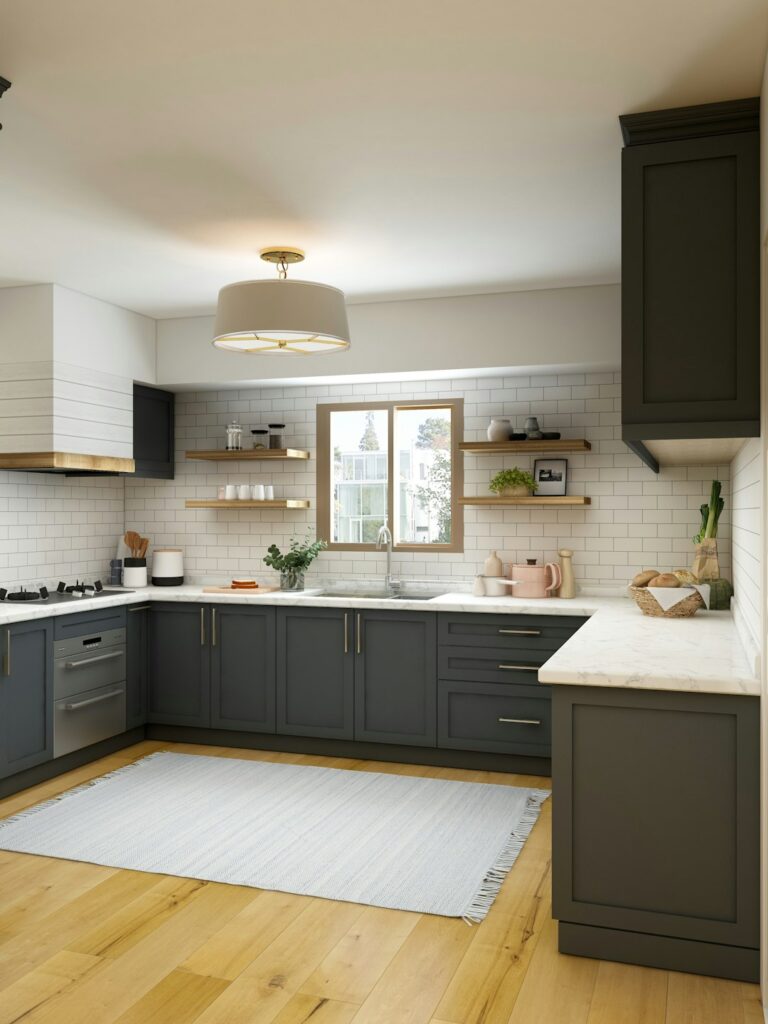
Cabinet Refacing for a Fresh Kitchen Look
Your kitchen cabinets often take the brunt of daily use, showing signs of wear like scratches, fading, or outdated styles. Instead of tearing everything out, cabinet refacing offers a practical way to renew your kitchen’s appearance by replacing just the doors, drawer fronts, and hardware while keeping the existing cabinet frames intact. This method cuts down on labor and material costs and typically means less mess and disruption compared to a full remodel. You avoid the hassle of demolition and disposal, which can save both time and money. Selecting new doors and drawer fronts is where you can really shape the personality of your kitchen. Choose from shaker-style doors for a clean, contemporary look or raised panel designs to suit traditional tastes. It’s important to pick materials that last. Solid wood offers durability but can be pricey; laminates are a budget-friendly alternative that resist moisture and wear if chosen carefully. Swapping out old hardware like knobs and pulls for modern finishes is an easy upgrade that instantly refreshes the cabinetry’s look. Upgrading hinges and drawer slides can improve your kitchen’s functionality as much as its style. Soft-close mechanisms reduce noise and wear by preventing slamming, protecting your cabinets’ integrity over time. Inside, adding pull-out shelves or drawer dividers helps organize your space better, making it easier to access pots, pans, and utensils. These small changes might seem minor but make daily kitchen tasks smoother and help maintain order in busy households. The actual refacing process involves removing your old doors and drawer fronts, prepping the cabinet boxes by cleaning and sanding surfaces, then applying new veneer or laminate finishes to give everything a fresh face. Before starting, it’s important to inspect the cabinet boxes for any damage or warping; patching up or replacing compromised frames is necessary to avoid problems after installation. Taking time to prepare surfaces correctly ensures the new materials adhere well and the finish lasts. Refacing works best if the underlying cabinet structure is solid but you want a new look without the expense of replacement. If you find cracked or sagging boxes, or water damage inside cabinets, replacement might be the smarter choice. Early evaluation saves headaches later and helps you set realistic expectations before spending on upgrades. Our approach begins with a thorough inspection of your cabinets to spot any hidden issues that could disrupt refacing. We carefully remove doors and drawer fronts, then clean and sand all surfaces to prepare for veneer application. Proper priming ensures strong adhesion and a smooth finish. After installing new hardware and accessories like soft-close hinges, we do a final walkthrough to confirm everything fits perfectly and operates smoothly. We protect your counters and floors during work to keep your home tidy. Choosing between refinishing, re-staining, refacing, or replacing cabinets depends on your budget, the condition of your cabinets, and your style goals. Re-staining works if you want a fresh color but the wood is in good shape. Refinishing can fix minor surface damage but won’t change styles or hardware easily. Refacing strikes a middle ground by changing looks significantly without structural work. Replacement is more expensive but necessary if cabinets are damaged or poorly built. For a sense of what cabinet refacing can accomplish, look at before-and-after photos of projects in Hamilton. They reveal how kitchens transform with updated doors, modern hardware, and clever interior accessories while sticking to practical budgets. Seeing real examples helps clarify what’s achievable and avoids surprises when planning your project. Start your kitchen upgrade by requesting a free quote tailored to your space. Preparing the area includes covering nearby surfaces to keep dust off appliances and floors. Working with experienced installers who pay attention to prep work reduces delays and cleanup time. With care at every stage, cabinet refacing can refresh your kitchen’s look efficiently while improving function.kitchen refinishing requires understanding these practical details before committing to change. For guidance on options suited to your home, visit and find inspiration for your next project. cabinet makeover ideas