
September 2, 2026

man doing butterfly stroke
Exercises

Mental Training for Athletes: Boost Performance

Standing at the starting line, your heart races and adrenaline surges, but your mind stays steady and focused. That’s the edge mental training can offer athletes. Anxiety and self-doubt often creep in before competition, choking performance if left unchecked. Incorporating mental exercises into training routines helps athletes control these emotions and sharpen their concentration. Techniques like visualization, mindfulness, and positive self-talk are practical tools that can change how an athlete handles pressure. Take a marathon runner as an example. Physical endurance is obviously key, but mental preparation matters just as much. Visualizing crossing the finish line or running strong through tough miles builds confidence and mentally prepares them for the discomfort of long-distance racing. On the basketball court, players might use mindfulness to calm their nerves during free throws, enabling them to block out distractions when the game is on the line. These methods aren’t abstract concepts; they have real effects on performance. Mental training isn’t just for Olympians or professionals. Recreational athletes also face pressure and moments of doubt. A weekend soccer player who feels overwhelmed by competitive matches can benefit from setting achievable goals and practicing breathing exercises to stay grounded. These small habits reduce stress and make the sport more enjoyable while improving results. Even simple routines like reviewing previous performances on video or journaling mental notes about focus can help build consistency. Understanding ‘flow’ is a key part of mental training. Flow is when an athlete is completely absorbed in their activity, performing with ease and enjoyment. Reaching this state takes practice and self-awareness, knowing what pulls your attention away or triggers stress is part of the process. Athletes who work on identifying these distractions and managing them tend to perform better and feel more satisfied with their efforts. Some argue time spent on mental preparation cuts into physical training hours. There’s some truth, but ignoring mental skills limits overall potential. Physical ability alone won’t carry you through pressure situations or mental fatigue. Balancing skill work, conditioning, and psychological practice leads to steadier performance. Many athletes find that once they commit to mental training, their focus during physical drills improves too. For those serious about enhancing their mental game, resources tailored to different sports and needs are available. Engaging with specialists in mental training for athletes offers targeted strategies based on experience rather than generic advice. These experts often emphasize practical steps like developing pre-competition routines, using cue words to reset focus during events, and creating detailed mental scripts for challenging moments. Consistency matters most with mental training. Progress doesn’t happen overnight; it requires regular practice and patience. Athletes should treat it as an ongoing skill-building exercise rather than expecting quick fixes. Keeping a journal to track what techniques worked in practice or competition can prevent repeating mistakes and save time in future sessions. Coaches and teammates can also provide valuable feedback on observed changes in focus or attitude. Inserting mental training into your schedule pays off over time. It helps athletes stay composed under stress, improve concentration, and enjoy their sport more fully. For anyone committed to getting the most out of their physical abilities, exploring how to strengthen mental resilience is a logical next step. Practical approaches supported by sports psychology coaching resources can make a noticeable difference in both daily training and competition.
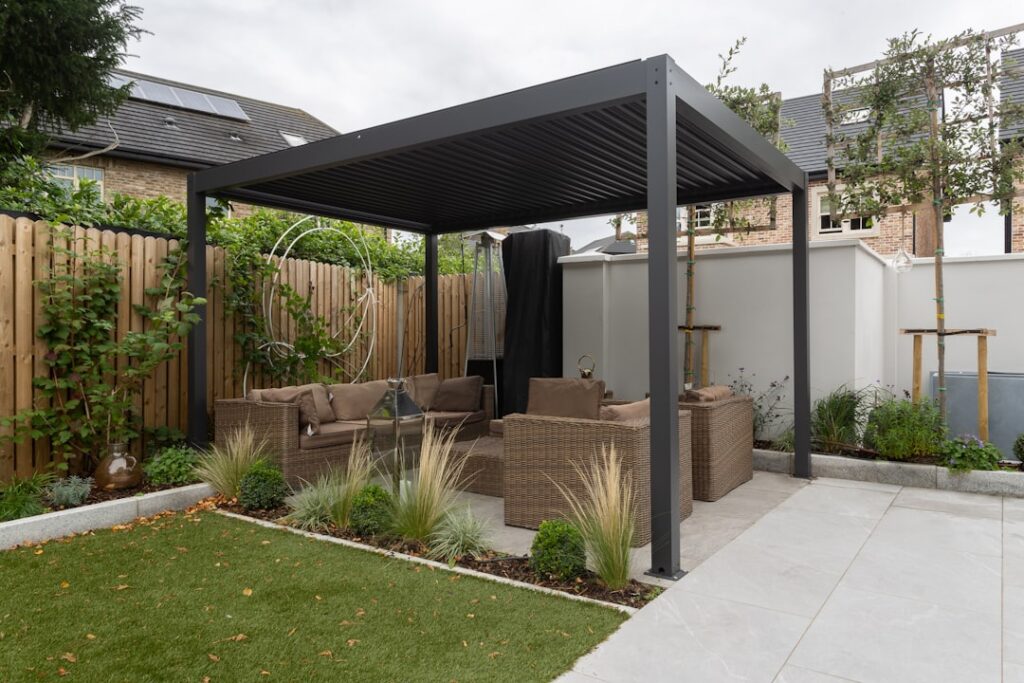

a patio with a couch and a table in it
Activities

How Can a Pergola Enhance Your Space?

Picture a summer afternoon in your garden, hosting friends and family, only to be driven inside by the relentless sun. A pergola can change that experience entirely. Its open framework offers shelter from direct sunlight while encouraging a breeze to flow through. This makes your outdoor area usable even on hot days or during light showers. Beyond practical shelter, a pergola adds character to your garden, setting the scene for casual get-togethers or a quiet drink at dusk. Choosing the right material is a key early decision, especially in a coastal town like Bournemouth where weather can be unpredictable. Timber remains popular because it blends naturally with outdoor settings and can be customized with paint or stain to suit the style of your home. Aluminium is an excellent alternative if you want something more resistant to salt air and low maintenance, while vinyl offers durability and requires minimal upkeep. Each choice affects not just looks but how your pergola will age over time. Size and placement affect how you’ll use your pergola every day. Freestanding structures create a dedicated zone, perfect if you want a separate dining area or a spot around the hot tub. Attaching one to your house extends your living space directly, making it easier to move between indoors and outdoors. Whichever you pick, measure carefully and consider proximity to existing features like trees or fences to avoid future headaches during installation. Lighting transforms the pergola after dark. Overhead LED fixtures or hanging lanterns can make the space inviting for evening gatherings without harsh glare. Climbing plants such as wisteria or clematis add greenery and softness while growing thicker over time to increase shade naturally. These vines also draw birds and pollinators, contributing to a lively garden atmosphere. Don’t underestimate the benefit of planning plant placement around sunlight patterns through the seasons. Seasonal adaptability is often overlooked but valuable. Adding retractable canopies or adjustable slats lets you control how much sun filters through depending on the weather or time of day. This flexibility means you won’t have to avoid the space when the midday sun is at its peak or when a sudden drizzle starts. Planning for this in advance saves you from costly retrofits or dissatisfaction later. For inspiration and product options, check out pergola bournemouth. They offer various styles and finishes that can fit traditional or modern tastes. When reviewing designs, pay attention to weight-bearing capacity if you plan on adding heavy plants or lighting fixtures. It’s also wise to consult your local council before building; some pergolas require permits depending on size and location. Skipping this step risks delays or having to remove your structure. Installation often involves coordinating with builders or landscapers who understand local conditions. Remember to keep a copy of your permit application and any correspondence with authorities handy, these documents come in useful if questions arise later. Clear communication with contractors about timelines and materials helps avoid surprises on-site. Many homeowners find scheduling work during mild weather months reduces complications. Integrating a pergola isn’t just about adding a structure; it’s about creating an extension of your lifestyle outdoors. With choices around materials, size, lighting, and regulations handled upfront, you’ll have a space that looks good and functions well year-round. For ideas on how to blend your new pergola with other garden elements, visit garden design advice online. Proper planning keeps your project on track and ensures you enjoy your outdoor living area for years.

people partying with confetti
Activities

Hospitality Events in London That Connect

Picture hosting a product launch in London, surrounded by an engaged crowd that truly cares about your brand. Your goal is not just to display your new product but to create moments that spark real connections. Hospitality events can turn a typical meet-up into something memorable, something your guests will talk about long after the last guest leaves. It’s about crafting an environment where people feel involved and valued, not just spectators. A big budget doesn’t guarantee impact. Smaller events often leave a stronger impression when they focus on meaningful interaction. Take a pop-up event, for example. Setting up hands-on activities aligned with your brand lets guests experience your product in a way that sticks. The key is thoughtful curation, choosing experiences that invite participation rather than passive observation. It’s common for hosts to overlook the power of a simple touchpoint, like a quick demo station or a personalized takeaway that ties back to the brand story. Brand activations are central to hospitality events because they go beyond just showing off products. They create immersive moments where attendees become part of the event’s narrative. Imagine partnering with a local charity for a fundraiser that also highlights your brand’s values. This approach builds loyalty by connecting your business to a cause people care about. One practical detail often missed is scheduling these activations at times when your target audience is most available, weekday evenings for professionals, weekends for families. Planning around audience habits can make or break turnout. Opening parties set the tone for what’s next. An inviting atmosphere encourages guests to relax and talk, which is what you want if networking is part of the agenda. Incorporating live music or entertainment that fits your brand identity can bring energy and focus to the room. Use themed decor that subtly reinforces your message without overwhelming the space. A common misstep is cluttering the venue with too much branding, which can make people feel like they’re at a sales pitch rather than a celebration. Cost and logistics always come up when planning these events. Renting a venue adds polish but can disconnect you from your brand’s personality if it feels too generic. Hosting on-site offers intimacy and authenticity but requires more prep, think about parking, accessibility, and amenities. A practical habit is to conduct a walkthrough with your team days before the event to catch overlooked details like lighting or signage placement. Consulting professionals in hospitality events london can also help tailor plans specifically for your needs and avoid common pitfalls. Understanding brand activations and product launches involves more than timing and location, it’s about storytelling. The right team will help you weave your brand message through every element, from invitations to follow-up communications. Sequencing experiences during the event ensures guests remain engaged and receive information at the right moments instead of feeling overwhelmed all at once. For example, introducing key features through interactive displays early on, then offering deeper dives during smaller breakout sessions. Every hospitality event aims to build authentic connections. Whether it’s an exclusive VIP preview or a large-scale charity gala, your event should reflect who you are as a brand while resonating with those who matter most. Working with planners who know London’s culture and trends means your event fits naturally into the local scene instead of feeling out of place. Small details like knowing when public transport runs late or which nearby cafes offer quick catering pickups can smooth out last-minute stresses. Remember that clear communication within your team prevents last-minute chaos, a common issue in event setups. Simple checklists shared among staff ensure everyone knows their roles and timelines, reducing confusion. And don’t underestimate the value of feedback after the event; it provides real insights into what worked and what didn’t, which improves future planning. If you want to get practical advice on hosting memorable gatherings that fit your brand and audience, consider connecting with specialists in london hospitality planning services. They offer grounded experience with local venues, suppliers, and regulations, helping you avoid rookie errors and focus on what counts, making genuine connections.

Scroll to Top