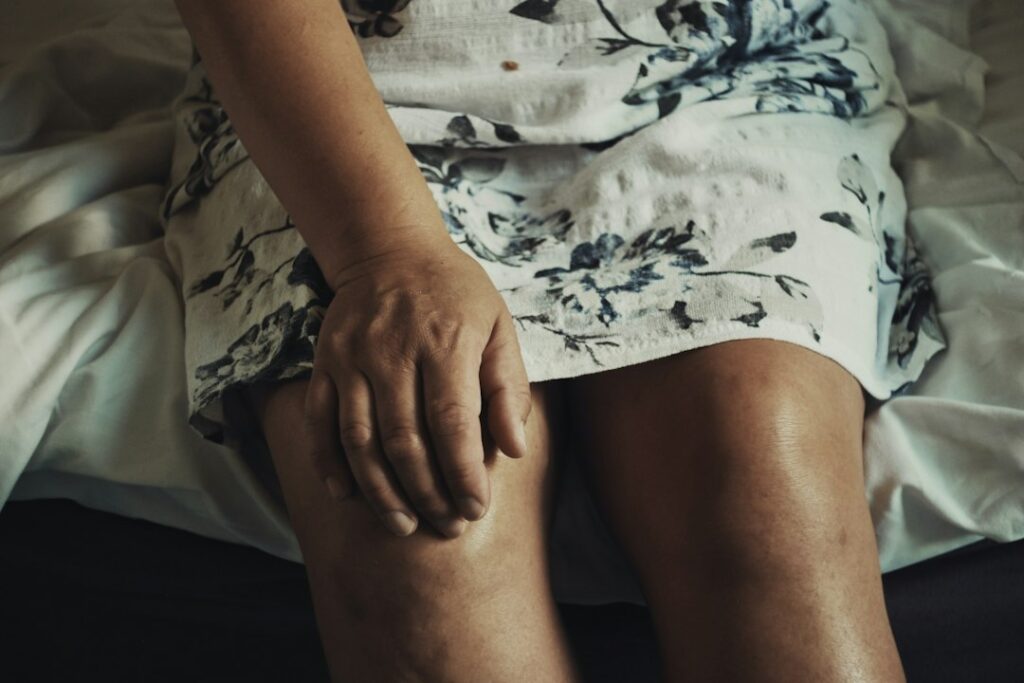
Knee Physio in Newport: What an Assessment Can Reveal
A sharp pain on the first step out of the car can be unsettling, especially when it returns on stairs or during a short walk. In a knee physio Newport appointment, the first task is to establish the pattern rather than assume the worst from the location of the pain. A recent increase in walking, hill work, gardening, running or gym sessions may have raised the knee’s workload faster than the surrounding muscles and tissues could tolerate. The timing matters too. Pain during activity, later that evening, or the following morning can each point to a different loading problem. A useful assessment starts with your account of what has changed. A physiotherapist may ask you to describe a typical day, check your training diary, or look at the wording on a referral or previous scan report if one is available. They will usually compare how both knees move, then assess hip and ankle movement, thigh strength, balance and walking control. You may be asked to perform a squat, step down or sit-to-stand. These tasks show how the leg works under load, which is often more informative than pressing one tender spot while you lie on the treatment table. Range of motion describes how far the knee can comfortably bend and straighten. A restriction may make stairs, getting into a low chair or kneeling more difficult, but it is only one part of the picture. The clinician may also check for swelling, warmth, local tenderness, clicking, giving way and changes in gait. Findings need to be interpreted together. A person can have pain during a deep squat while moving normally in daily activities, whereas a stiff ankle or weak hip may change how force is shared through the leg. The same symptom can therefore have more than one contributing factor. Pain around or behind the kneecap is often called patellofemoral pain. It may appear after a person starts running hills, adds extra fitness classes, increases walking distance or spends more time kneeling. Bending the knee increases the demand on the tissues around the kneecap, so a sudden change in volume can make stairs, squats and prolonged sitting uncomfortable. That pattern does not automatically mean the joint is deteriorating. Someone who was previously inactive and begins three long walks each week may respond better to shorter routes, fewer hills and gradual strengthening than to stopping all movement. Tendon-related pain tends to be more localised and often becomes noticeable when the tendon is repeatedly loaded. Jumping, rising from a chair, climbing stairs and accelerating during sport can all expose a reduced tolerance. A recreational athlete who adds box jumps after a long break might feel manageable soreness during the session, then find it more pronounced while walking downstairs that evening. The delayed response is worth recording. A brief note in a phone or training diary can show whether the knee settles by the next morning or remains irritated, helping the exercise plan match current capacity. Rehabilitation should reflect the assessment rather than follow a fixed collection of exercises. A programme may include controlled knee bends, step-ups, split squats, calf work, hip strengthening or balance drills. Proprioception is the body’s awareness of joint position, and balance practice can improve control when the leg is working without constant visual checking. The number of repetitions, the height of a step and the speed of each movement can all be adjusted. If an exercise causes sharp pain, swelling or a clear deterioration the next day, record that response and report it instead of repeatedly forcing the same movement. Hands-on treatment may be used to help a stiff area move more comfortably or to settle symptoms for a short period, but it is generally considered alongside active rehabilitation. Advice may cover pacing, footwear, work setup and a staged return to sport. A retail worker who stands for long shifts might benefit from changing position regularly and breaking up static periods. A footballer may return first to passing and straight-line jogging, then introduce accelerations and changes of direction. If you are looking for knee physio newport, take notes on which tasks remain easy, difficult or impossible. Further medical review may be appropriate after significant trauma, marked swelling, an inability to take weight, true locking or repeated episodes of the knee giving way. A consultation should also consider previous surgery, earlier injuries, medication and any change in work or training. Bring comfortable clothing so the leg can be observed, and mention whether symptoms occur at rest, during movement or several hours afterwards. You can discuss knee physiotherapy in newport while arranging an assessment and identifying practical next steps for your current symptoms.