
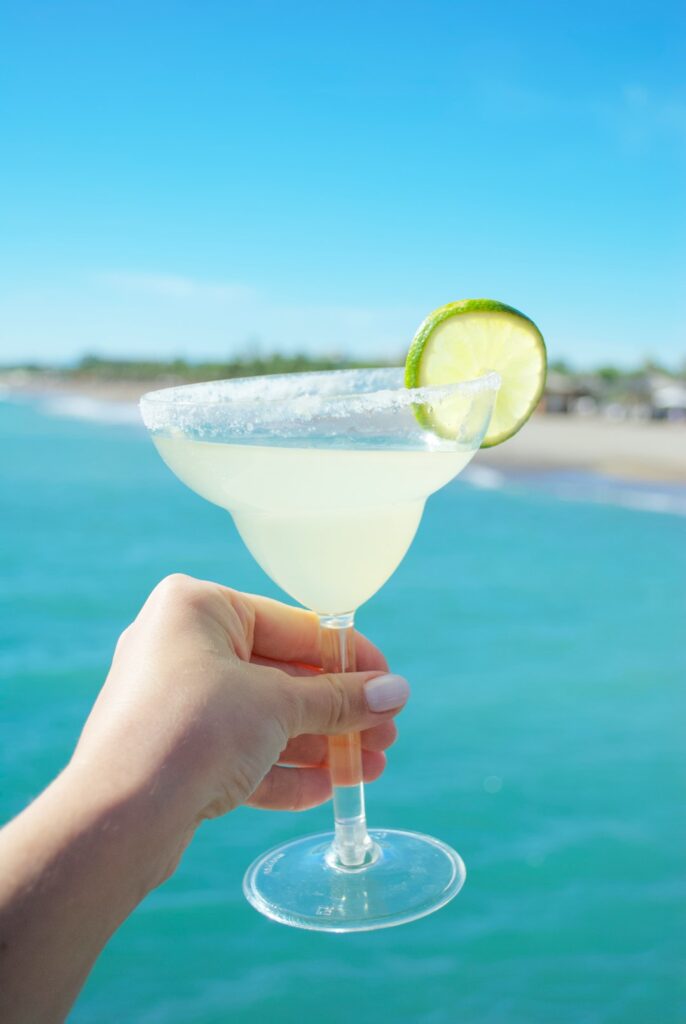
Balanced Margaritas in Los Angeles
At a busy Los Angeles bar, margarita menus can make every choice sound alike. One drink is frozen, another is served over ice, and a third includes a fruit or chile flavor that needs explanation. The most decorated glass is not automatically the best drink. Balance depends on the relationship among tequila, lime, sweetener, temperature, and dilution. Before ordering, consider how long the drink will sit and whether you want a crisp aperitif or something softer with dinner. A short description of the build often tells you more than a long list of ingredients. The classic formula has three working parts: tequila for the spirit, lime juice for acidity, and orange liqueur or another sweetener for roundness. A well-made drink lets each part remain noticeable without allowing one to dominate. More tequila does not necessarily produce a superior margarita. Too much can bury the lime and leave a hot, lingering finish. The same principle applies to choices among margaritas los angeles: a carefully measured cocktail may taste fuller and more satisfying than a larger pour with poor proportion. Ask whether the drink is tart, sweet, or spirit-forward if the menu is vague. Fresh lime juice generally gives a brighter aroma and cleaner acidity than bottled juice, though storage and recipe still affect the result. A useful question is whether the juice is pressed for service or prepared well in advance. Dilution matters just as much. Shaking with ice adds a small amount of water while chilling the drink, softening the alcohol and joining the flavors. Too little dilution can make a margarita seem harsh and concentrated. Too much can make it taste thin. If the first sip is balanced but the drink changes quickly, melting ice may be responsible rather than a flawed recipe. The choice between rocks and frozen is mostly about texture, temperature, and pace, not a simple quality ranking. A rocks margarita is usually shaken with ice and poured over fresh cubes, so it begins bright and gradually dilutes. A frozen version is blended with ice, creating a colder, smoother texture, but the larger amount of melting ice can change its flavor faster. That matters during a long meal or conversation. Someone who plans to sip slowly may prefer rocks, while a guest seeking a softer, colder drink may enjoy frozen. Neither style guarantees a stronger cocktail. A salt rim changes the drink as well as its appearance. Salt can mute some bitterness and make lime seem more vivid, but a thick coating can overwhelm the first few sips. Requesting a half rim lets you alternate between salted and unsalted tastes, and salt on the side gives you more control. Flavored margaritas need similar attention. Jalapeño, herbs, fruit puree, and spices alter aroma, sugar, and acidity. A sweet mango or berry mixture may need additional lime to avoid a syrupy impression. Ask whether the flavor comes from fresh fruit, a puree, or a prepared syrup before choosing. Margarita strength depends on the amount and proof of tequila, the volume of nonalcoholic ingredients, and dilution. Proof describes alcohol concentration, while a standard drink compares alcohol content rather than the size of the glass. A large frozen serving is not automatically stronger than a smaller rocks pour. This distinction prevents a common misunderstanding when someone orders a second drink because the first tasted light. Eating before drinking, alternating with water, and slowing the pace are sensible habits, especially during a long dinner or while visiting several Los Angeles neighborhoods in one evening. A practical order can be brief: name the style, choose the rim, and describe your preferred level of tartness, sweetness, or heat. If you dislike sugary drinks, ask for a drier build with less sweetener. If tequila tastes too sharp to you, a fruit-forward version may feel gentler, though it can also carry more sweetness. Asking about fresh mexican cocktails may prompt useful details about the ingredients and preparation. Checking the menu before ordering and repeating your preference to the server can prevent an unwanted syrup, rim, or texture from arriving at the table.