
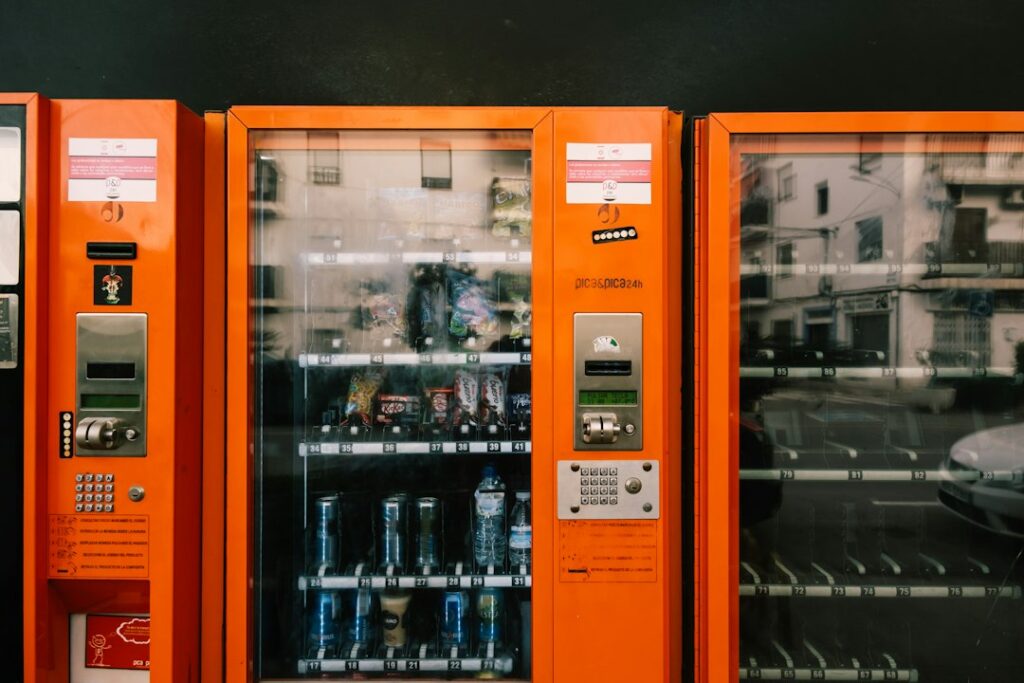
Vending Machines: A Practical Guide
At 10.15 on a busy morning, staff leave an office looking for a cold drink or a quick snack, only to find the nearest shop several streets away. That small inconvenience can become a regular complaint when breaks are short or the building is isolated. An office vending machine may solve it, but choosing one involves more than finding space beside the lift. Start by considering who will use it, what they are likely to buy, and how often the machine can be serviced. Those answers will help you decide between a snack machine, a drink machine, or a combination model. Begin with demand rather than appearance. A workplace with mostly desk-based staff may suit a compact machine with snacks, bottled water and cans, while a warehouse with staggered shifts may need greater capacity and a wider range of drinks. Count likely users, note the busiest break periods and ask staff which products they currently buy elsewhere. For example, a small design studio may need only one machine with modest stock, whereas a call centre operating late shifts could justify separate snack and drink machines. This simple assessment reduces the risk of paying for unused capacity. The main machine types serve different purposes. Snack models use individual compartments or spirals to hold items such as cereal bars, crisps and confectionery. Drink machines are designed for bottles and cans, while combination machines place both categories in one cabinet. Refrigeration means the drink compartment is actively cooled, rather than merely storing products at room temperature. This matters in Brisbane workplaces, especially where staff expect chilled water or soft drinks. Check the machine’s dimensions, power needs, door clearance and noise level before committing to a location, as practical fit can matter as much as product choice. Payment technology should match the habits of the people using the machine. Cashless payment allows a customer to pay by card or compatible mobile wallet, avoiding the need to carry coins. Some machines can also accept cash, which may be useful if visitors or casual workers use them. Ask how refunds are handled when a payment is taken but a product fails to drop. Telemetry is another useful concept: it means the machine sends sales or stock information remotely, helping an operator identify popular items and plan replenishment without relying only on a complaint from staff. Placement affects both sales and convenience. A visible area near a kitchen, reception space or staff breakout room is usually easier to find than a quiet corridor, but it should not obstruct walkways or emergency access. Leave enough room for the door to open and for people to queue without blocking others. Product selection should reflect the workplace rather than a generic assumption. An office near public transport might favour breakfast items and bottled water, while a construction administration site may see stronger demand for filling snacks and larger drinks. Review the mix after several weeks and remove slow sellers. The provider’s service arrangement deserves the same attention as the machine itself. Ask who owns the equipment, who sets prices, how often stock is checked and how faults are reported. A clear agreement should explain restocking responsibilities, electrical requirements, rental or purchase charges, and what happens if the machine is moved or removed. When comparing vending machines for offices, request a realistic recommendation based on your site rather than choosing solely from photographs. For example, a provider that services several nearby workplaces may offer a practical replenishment schedule, but confirm the details in writing. Before ordering, walk through the proposed installation with the building manager and check access, power, security and cleaning arrangements. Consider whether chilled products need regular temperature checks and whether food should be protected from heat, dust or direct sunlight. A sensible trial can start with one machine and a limited product range, followed by a review of sales, faults and staff feedback. Look for an office vending service that explains these operational details plainly. The right choice is the one that fits your workplace, remains convenient to use and can be maintained reliably without creating extra administration.