
Warm-Ups That Work Before Competition
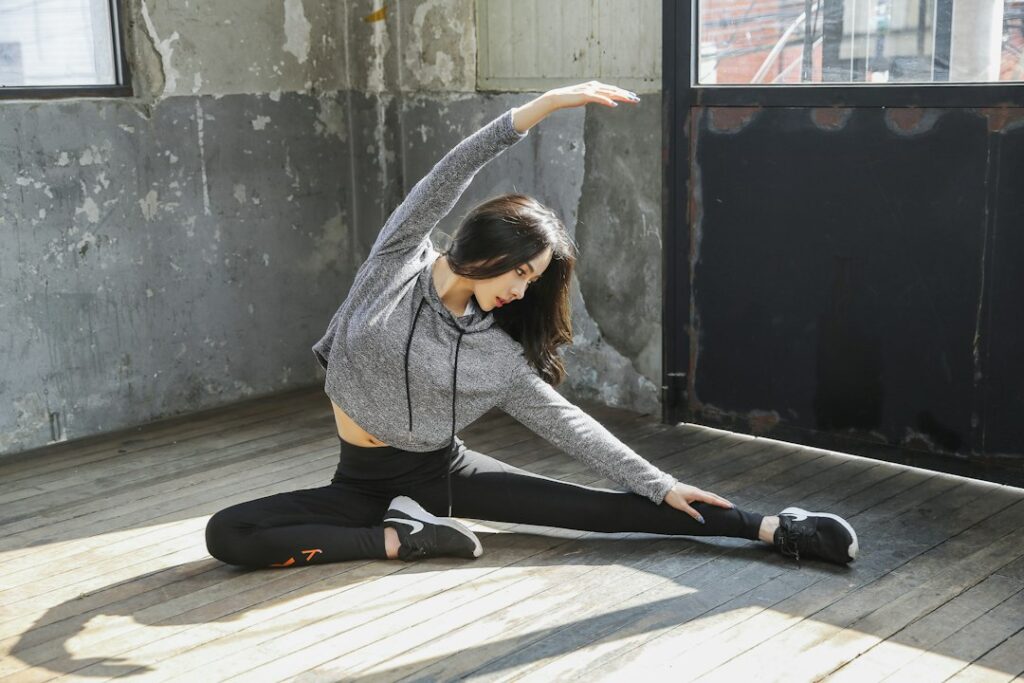
A useful team warm-up begins before athletes reach the playing area. The coach can set a repeatable sequence, assign a leader, and write time limits on the practice plan so nobody is guessing beside the bench. Start with easy movement to raise body temperature, then rehearse the positions, footwork, and coordination the session will demand. Finish with brief efforts that resemble competition. Each phase should prepare players without leaving them tired. Keeping bands, balls, jackets, and water in known locations also prevents the familiar scramble for equipment five minutes before tipoff. Clothing should support movement rather than distract from it. Players need to swing their arms, hinge at the hips, lift their knees, and accelerate without fabric pulling across the shoulders or legs. Test fit while walking, shuffling, and reaching, since a top that feels fine while standing may bunch during a drill. Loose sleeves can catch, while tight cuffs can limit hand or ankle movement. Teams reviewing Warm-Ups can compare semi-custom and fully custom options by checking size availability, color consistency, and how easily athletes can recognize their own sets after laundry. Not every stretch serves the same purpose. Dynamic work uses controlled movement through a joint’s available range, with examples such as walking lunges, arm circles, ankle rocks, and progressive skips. Static stretching involves holding a position and may fit some training situations, but long holds immediately before explosive work may not match the day’s demands. Mobility describes usable joint movement, while activation prepares muscles that help control and stabilize that movement. A practical sequence therefore addresses range, coordination, and support before it asks for speed. The coach should demonstrate each exercise so players do not rush through unfamiliar patterns. Intensity works best as a gradual climb. Begin with a comfortable jog or easy court movement, add lateral shuffles and changes of direction, then introduce sport-specific actions such as passing patterns, approach steps, or defensive slides. Short accelerations can close the sequence if athletes remain coordinated. Rating of perceived exertion, or RPE, gives the group a simple language for effort: early work should feel easy, while final efforts should feel sharp rather than exhausting. If players are already breathing hard, shortening the next drill is wiser than treating fatigue as proof of a productive warm-up. The venue and weather should shape the plan. In a cold auxiliary gym, continuous movement and a removable layer may be more useful than long explanations between drills. In a hot, crowded court, reduce standing time, keep water within reach, and provide a clear place for discarded tops. Check zippers, hems, and drawstrings during motion, not only during uniform distribution. A set of custom team warm-up gear should make adding or removing layers straightforward, with players able to identify their belongings without opening several bags or delaying the next phase. Travel calls for a careful reset. Athletes who have spent hours seated may arrive stiff, unfocused, or less ready for jumping than the usual schedule suggests. Give them several minutes of walking and joint movement before adding hops, cuts, or accelerations. A volleyball player might move from ankle rocks and bodyweight squats to overhead reaches, approach steps, and controlled jumps. Watch landing quality, knee control, and foot placement instead of demanding a fixed repetition count. If technique slips, reduce the speed, return to the simpler pattern, and build back up. That small adjustment is more useful than forcing everyone through the same script. The final check should measure readiness, not produce a dramatic sprint. Ask whether players feel warm and focused, then watch for guarded movement, unusual limping, or someone breathing heavily before the main session starts. Adjust that athlete’s load rather than forcing identical work for appearances. After each event, record practical observations on the practice plan: where players waited, which layers were left on the floor, whether a station felt crowded, and whether the final drill caused rushed technique. Reviewing those notes keeps the routine familiar while allowing it to fit the team’s actual venue, travel, and competition demands.