
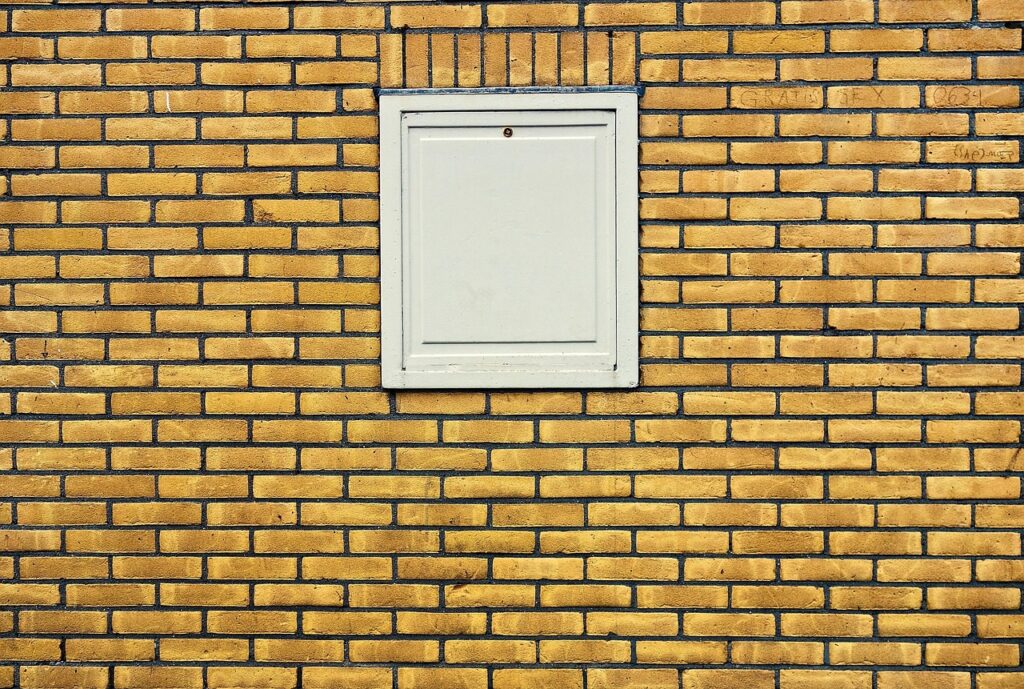
There are few things more inspiring than the beauty of glazed bricks. Their colorful and reflective surfaces have a hypnotic quality that draws the viewer in, providing a seemingly endless array of patterns and hues to discover. But what exactly are glazed bricks, and what makes them so special?
Glazed bricks are made of the same materials as traditional bricks, including clay and other earth-based ingredients. What sets them apart is the final step in their production process: a layer of ceramic or glass coating is applied to the surface of the brick, which is then heated in a kiln to melt the coating and fuse it to the brick. This creates a smooth, glossy finish that is resistant to wear and tear and can withstand the elements.
The use of glazed bricks dates back thousands of years, with examples of glazed masonry found in ancient Egyptian and Chinese architecture. In more recent times, this technique has been popularized by the Arts and Crafts movement and Art Nouveau, whose use of rich colors and organic shapes made glazed bricks a staple of their designs.
One of the most alluring qualities of glazed bricks is their ability to reflect light in unique and interesting ways. Some glazed bricks have a metallic sheen, while others are more matte and subdued. When used in a uniform pattern, they can create a striking, monochromatic effect. When combined with other materials, like natural stone or wood, they become an eye-catching accent that adds depth and texture to any surface.
Glazed bricks also offer the practical benefit of being low maintenance. Because their surface is impenetrable, they are resistant to stains and graffiti, making them a popular choice for high-traffic areas. They are also durable and long-lasting, with some glazed bricks dating back over 100 years and still in excellent condition.
Despite their many benefits, glazed bricks do require some special installation considerations. Because of their reflective surface, they can create glare that is uncomfortable for the eye if installed in areas that receive direct sunlight. They are also more expensive than traditional brick, due to the added cost of the ceramic or glass coating.
When it comes to the design possibilities of glazed bricks, the only limit is your imagination. They can be used for both interior and exterior applications, including walls, accents, and even flooring. They can be combined with other materials to create interesting patterns, or used in a uniform pattern for a more minimalist look. They are available in a wide range of colors, from earthy browns and reds to vibrant blues and greens.
With their dazzling appearance and functional benefits, it’s no wonder that glazed bricks continue to be a popular choice for architects and builders. Whether you’re looking to add a unique touch of color to your home’s exterior or create a dramatic accent wall in your living room, glazed bricks are a versatile and long-lasting option that are sure to add an element of beauty and interest to any space.


