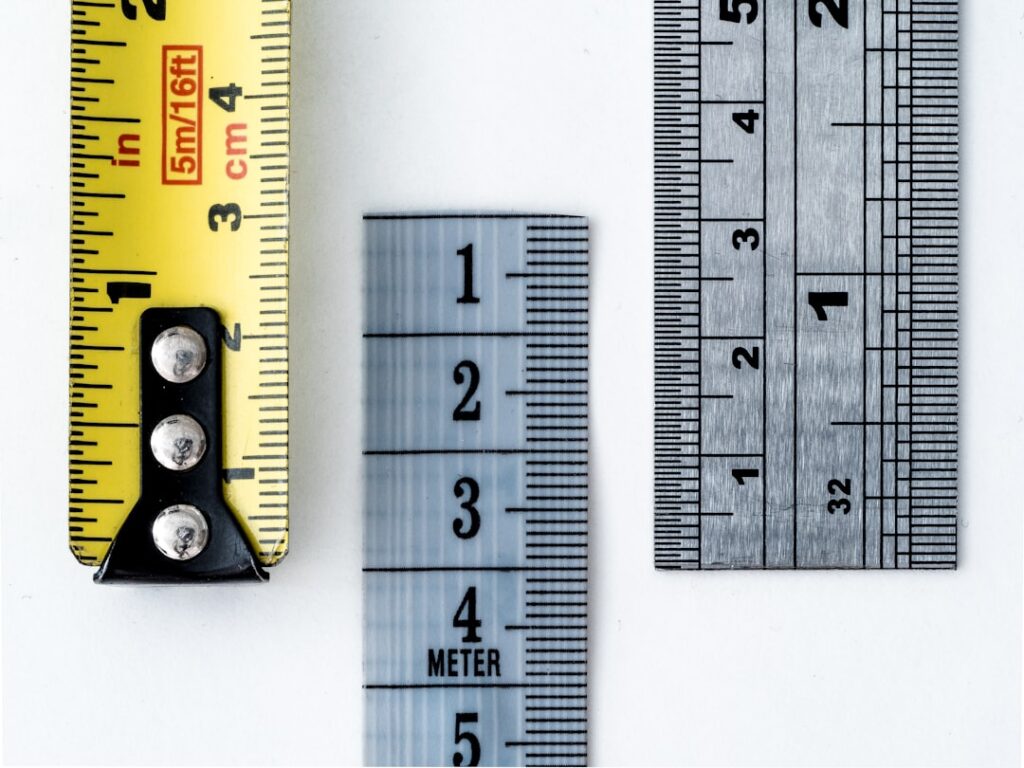
Measuring dry ingredients accurately is a crucial step in both home and industrial kitchens. Whether you’re baking a cake or formulating a commercial food product, precise measurement ensures consistency, taste, and quality. Dry ingredients measuring cups are designed specifically for this purpose, offering a simple yet effective way to portion flour, sugar, grains, and other dry components.
Unlike liquid measuring tools, dry measuring cups are meant to be filled to the top and leveled off. This design allows for a more exact volume of dry substances, which can vary significantly in weight and density. Using the wrong type of measuring tool can lead to major discrepancies in a recipe’s outcome, especially in baking, where precision matters most.
The design of dry measuring cups often includes flat rims, making it easy to use a straightedge to level off excess ingredients. This ensures that the measurement is accurate and not heaping or underfilled. Materials such as plastic, stainless steel, and even durable polymers are commonly used to construct these cups, offering durability and ease of cleaning. Some are even designed with color-coded measurements or molded handles for improved usability.
In industrial or agricultural settings, where formulations must meet strict guidelines, the importance of accurate dry measurement becomes even more vital. Miscalculating even a small percentage of an ingredient can affect the efficacy or safety of the final product. For these environments, dry ingredients measuring cups are often engineered for high-volume use and crafted from materials that can withstand harsh conditions without warping or degrading.
One commonly misunderstood aspect of measuring dry ingredients is the impact of ingredient texture. For example, flour tends to settle and can be compacted, meaning that scooping directly from the bag may result in more flour than intended. The recommended method is to spoon the flour into the cup and then level it off. This technique avoids overpacking and delivers a more consistent volume. The specific design of dry measuring cups accommodates this method, encouraging better practices in both novice and experienced users.
In commercial applications, it’s not just about accuracy but also efficiency. Measuring tools must be easy to use, quick to clean, and durable enough to withstand repeated use. When choosing the right measuring cup, factors like volume range, grip comfort, and resistance to staining or corrosion all play significant roles. Many manufacturers also offer features such as stackable designs for storage convenience, which can be a major advantage in limited-space environments.
Beyond the kitchen, dry measuring cups are also essential in laboratories, agriculture, and chemical industries where powders and granules must be measured with precision. These sectors require tools that not only offer exact measurements but also meet regulatory compliance for materials and safety. For businesses looking to maintain consistency and quality in their processes, investing in the right measuring equipment is a smart decision.
When exploring options for such tools, it’s helpful to seek out suppliers that specialize in industrial-grade products. Companies offering a broad range of measuring tools tailored to specific needs can provide added value through customization and support. For more information about products that cater to these professional requirements, visit this measuring equipment resource.
While they may appear simple, dry ingredients measuring cups play a fundamental role across various industries. Their precision, design, and durability make them an indispensable tool wherever accurate dry measurement is required. By understanding how they work and choosing the right type for your needs, you ensure better outcomes in both culinary and industrial settings.