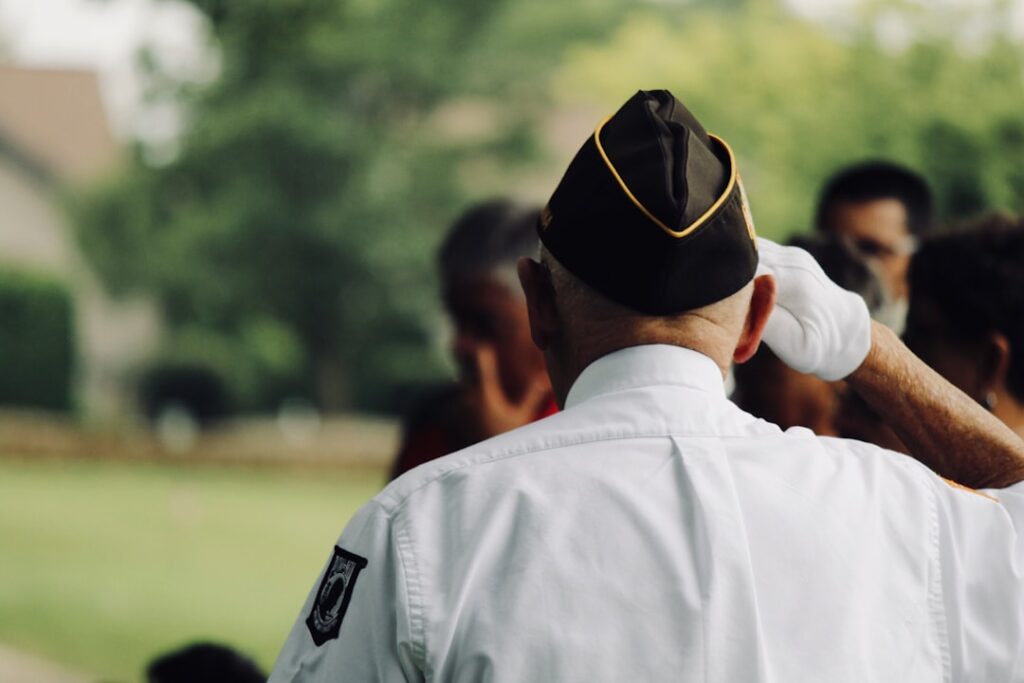
Women veterans represent one of the fastest-growing segments of the veteran population in the United States. Despite their increasing numbers and the critical roles they have played in all branches of the military, women veterans often face unique challenges when transitioning back to civilian life. From navigating healthcare systems to finding community support, their experiences highlight both progress and ongoing gaps in veteran services.
For many, the shift from military to civilian life brings a loss of structure, identity, and camaraderie. While all veterans may struggle with these changes, women can face additional hurdles, including limited access to gender-specific healthcare, a lack of targeted employment resources, and insufficient recognition of their service. These challenges can be compounded by societal misconceptions about what it means to be a veteran, often shaped by a male-dominated narrative.
Organizations dedicated to supporting women veterans play a vital role in bridging these gaps. By offering tailored programs and fostering community networks, such groups help ensure that women who have served are not overlooked. They provide safe spaces for women to share their experiences, access resources, and advocate for necessary policy changes. These efforts are crucial in helping women veterans regain a sense of purpose and belonging.
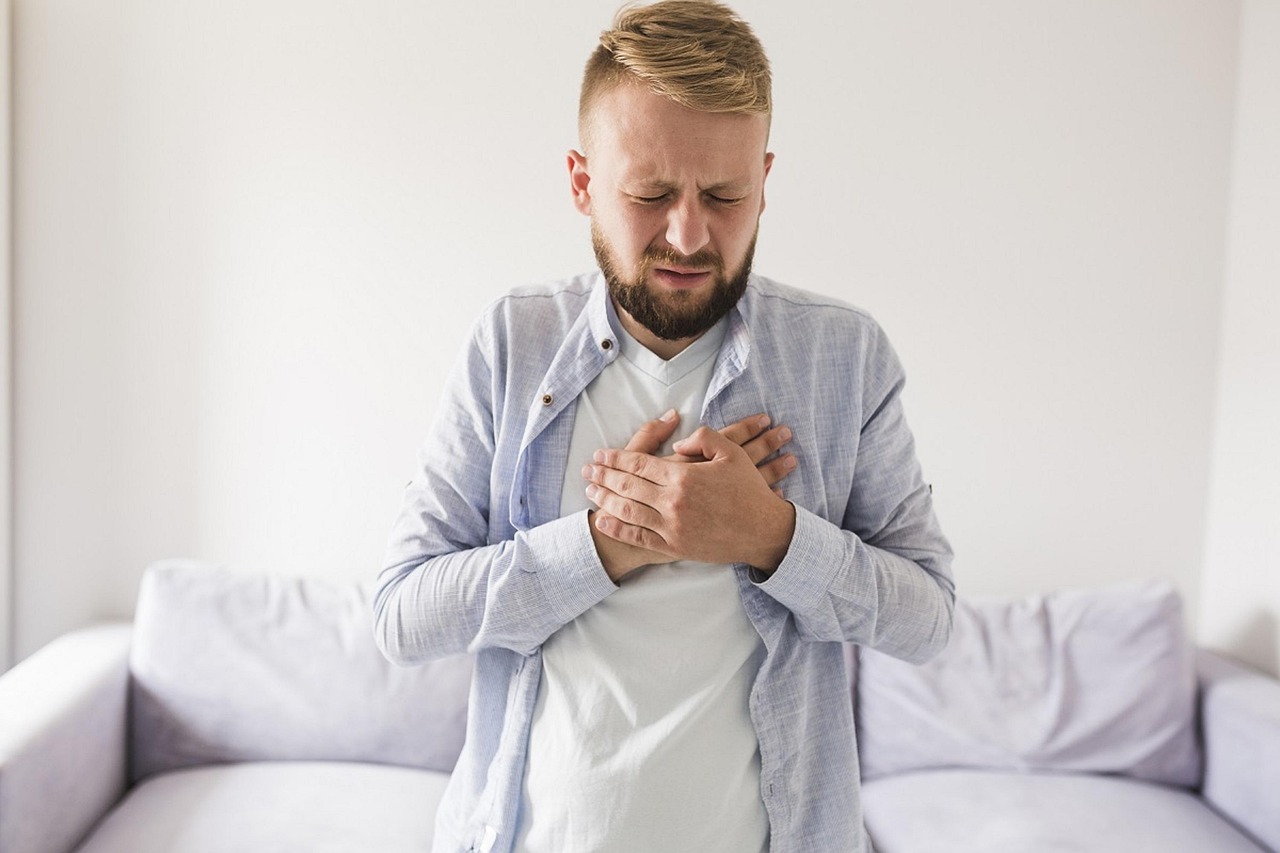
Healthcare remains a particularly pressing concern. Many women veterans report difficulties in accessing care that addresses both physical and mental health needs, especially when those needs are specific to female service members. Issues like military sexual trauma, reproductive health, and gender-informed mental health services are often underrepresented in traditional veteran healthcare models. Addressing these concerns requires increased training for providers and systemic reforms that prioritize the voices of women veterans.
Employment is another area where support is essential. Women veterans possess a wealth of skills from their military service, including leadership, discipline, and adaptability. However, translating those skills into civilian careers can be challenging without targeted career counseling and mentorship. Programs that connect women with veteran-friendly employers and provide guidance on resume building and interview preparation can significantly improve employment outcomes.
Community-building efforts are also critical. Many women veterans report feelings of isolation upon leaving the military, especially if they return to communities where few understand their experiences. Creating spaces where they can connect with others who have served can reduce feelings of alienation and promote healing. One valuable resource in this effort is the support network for female veterans that offers both in-person and virtual opportunities for engagement.
As more women enter and leave the military, it becomes increasingly important to ensure that their contributions are recognized and their needs addressed. By understanding the distinct experiences of women veterans and supporting initiatives focused on their well-being, society can better honor their service and help them thrive in civilian life.