Hospitals and health clinics rely heavily on technology to perform their daily tasks. From electronic health records to medical imaging equipment, healthcare technology plays a vital role in providing quality patient care. However, this technology can be complex and requires proper maintenance to function efficiently. In this article, we will discuss the importance of healthcare technology management and its impact on patient care.
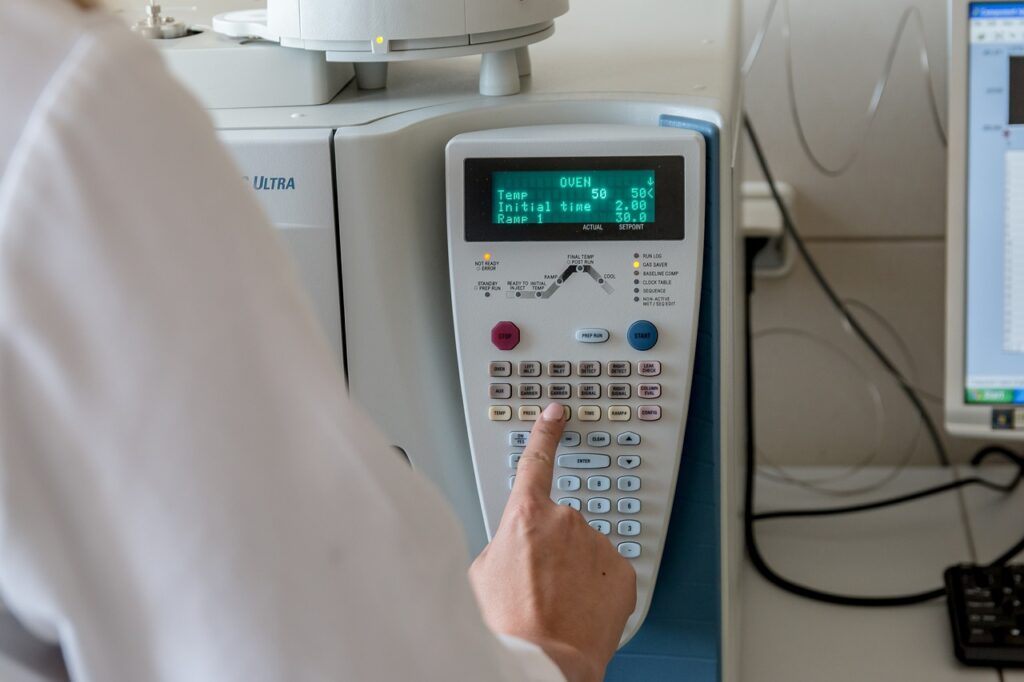
Healthcare technology management involves the maintenance, repair, and upkeep of medical equipment and software systems. It ensures that the equipment is in good condition and performs its intended functions. Medical devices such as X-ray machines, MRI machines, and CT scanners require regular maintenance to ensure accurate readings and reliable performance. Failure to maintain this equipment can lead to inaccurate diagnosis, increased operating costs, and reduced patient satisfaction.
Effective healthcare technology management can also help reduce downtime and prevent costly emergency repairs. By implementing preventative maintenance measures, such as regular inspections and equipment testing, hospitals can identify any potential issues before they become major problems. It also enables hospitals to have a reliable inventory of equipment, ensuring that it is readily available when needed.
Healthcare technology management promotes safety in patient care. Medical equipment must be reliable and safe to use to avoid potential harm to patients. Regular equipment maintenance and safety tests can help detect and resolve any safety issues. It also ensures that any defective or outdated equipment is replaced.
Healthcare technology management also involves IT support for electronic health records, telemedicine, and other digital systems. The use of electronic health records improves patient safety, reduces clinical errors, and enhances healthcare quality. However, without proper IT support and maintenance, these systems may be vulnerable to hacking, data breaches, and other security issues. Therefore, it is crucial to implement security measures such as regular software updates and data backup to prevent data loss and unauthorized access to patient records.
In addition, healthcare technology management helps healthcare providers keep up with the latest technologies and advancements in medical equipment. The healthcare industry is continuously evolving, and new technologies are emerging every day. Regular training and continuing education programs can help healthcare providers stay current with the latest best practices and technological advances. It enables them to deliver effective and efficient care to patients, enhancing patient satisfaction and outcomes.
Healthcare technology management plays a critical role in the successful operation of healthcare facilities. It helps improve patient safety, reduce costs, minimize downtime, and enhance healthcare services. Effective healthcare technology management requires a dedicated team of professionals committed to ensuring the quality and reliability of medical equipment and software systems.
Healthcare technology management is essential to the provision of quality patient care. Medical equipment and software systems require regular maintenance, repair, and upkeep to ensure efficient and effective functioning. It also promotes safety, prevents equipment downtime, and enables healthcare providers to keep up with emerging technologies. By prioritizing healthcare technology management, hospitals and health clinics can provide their patients with the best possible care, improving outcomes and enhancing patient satisfaction.