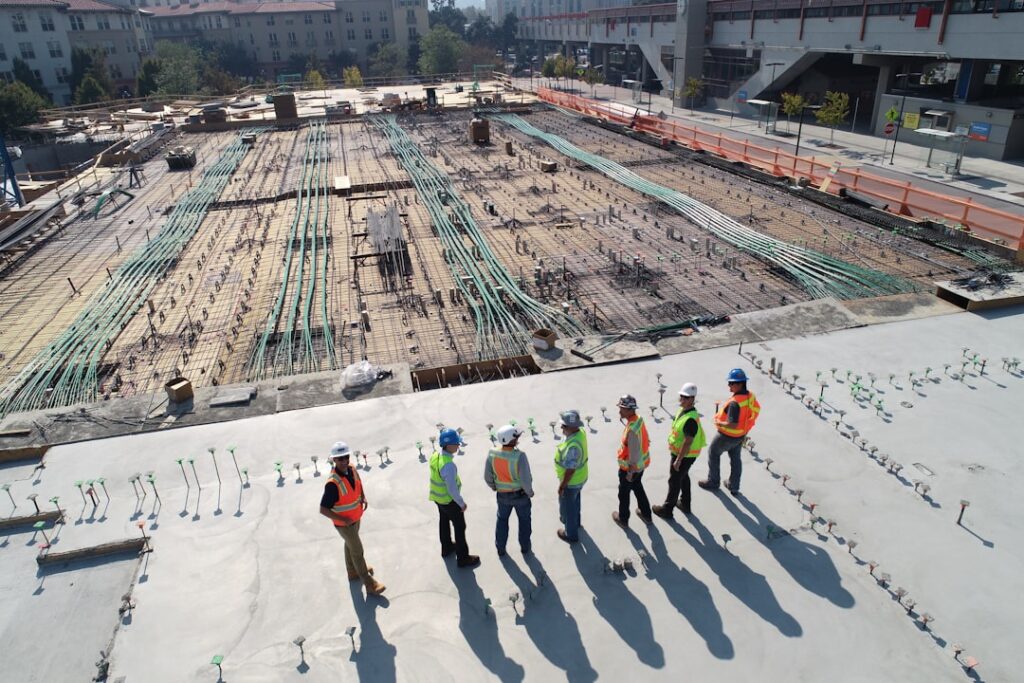
Concrete is one of the most widely used construction materials due to its strength and durability. However, even the most robust concrete structures can degrade over time when exposed to moisture, chemicals, and extreme temperatures. To prolong the life of concrete surfaces, the application of a concrete membrane has become a standard practice in both residential and commercial construction projects.
A concrete membrane is a protective barrier applied over concrete surfaces to prevent the penetration of water, chemicals, and other contaminants. These membranes can be either liquid-applied or sheet-based, depending on the specific needs of the project. Liquid-applied membranes are especially popular because they form a seamless, flexible coating that adapts easily to complex surfaces and contours. By sealing the surface, these membranes help prevent issues such as cracking, corrosion of reinforcing steel, and freeze-thaw damage.
In many building applications, concrete is exposed to harsh environmental conditions. Parking decks, rooftops, balconies, and basements are just some of the areas where moisture intrusion can cause structural concerns. A properly installed concrete membrane helps mitigate these risks by creating a waterproof layer that shields the underlying material. This is particularly important in areas with high rainfall or where de-icing salts are used, as these conditions can accelerate the deterioration of untreated concrete.
The choice of membrane depends on various factors, including the type of structure, the expected exposure conditions, and the desired performance characteristics. For example, some membranes are designed to be UV-stable for outdoor use, while others offer high chemical resistance for industrial environments. Product selection also takes into account the ease of application, curing time, and compatibility with other building materials. A well-chosen concrete membrane can significantly reduce maintenance costs and extend the lifespan of a structure.
Installation techniques also play a crucial role in the effectiveness of a concrete membrane. Surface preparation is key—concrete must be clean, dry, and free of contaminants before application. Any cracks or defects should be repaired to ensure the membrane adheres properly. Once applied, the membrane must be allowed to cure fully before the surface is subjected to traffic or additional construction layers. Professional application ensures not only durability but also compliance with building codes and safety standards.
Beyond waterproofing, concrete membranes also contribute to energy efficiency and overall building performance. In roofing applications, some membranes feature reflective properties that reduce heat absorption and lower cooling costs. In below-grade structures, membranes help control moisture levels, contributing to better indoor air quality and preventing mold growth. These added benefits make membranes a smart investment in sustainable building practices.
In addition to functionality, aesthetics can also be enhanced with the use of certain types of membranes. Some liquid membranes can be tinted or textured to match design preferences, providing both protection and visual appeal. This is particularly useful in decorative concrete applications such as patios, pool decks, and driveways, where appearance is just as important as performance.
To ensure optimal results, it is important to select a reputable source for membrane systems and application guidance. Those involved in construction and renovation projects will find valuable information and product options through specialized providers. One such resource for details on application methods, product types, and technical specifications is available at this concrete solutions site. Access to expert support and quality materials can make a significant difference in project outcomes.
In conclusion, concrete membranes are a vital part of modern construction, offering protection, durability, and added functionality to concrete surfaces. Whether for waterproofing, chemical resistance, or aesthetic enhancement, these membranes serve as a reliable defense against the elements. When properly selected and applied, they help ensure that structures remain safe, efficient, and visually appealing for years to come.