Supination, also known as underpronation, is a condition where the foot rolls outward during the gait cycle. This movement places excessive pressure on the outer edge of the foot and can lead to a variety of physical issues, including ankle instability, shin splints, and even knee or hip pain. People with high arches are more likely to experience supination, and without proper support, it can interfere with everyday comfort and long-term joint health.
One of the most effective ways to address supination is by using specially designed insoles. These inserts provide structural support and cushioning to help redistribute pressure more evenly across the foot. Proper insoles can correct the foot’s alignment and reduce the stress placed on joints and muscles. They work by supporting the arch, providing shock absorption, and guiding the foot into a more neutral position during movement.
When choosing insoles for supination, it’s important to look for features that specifically target underpronation. This includes a firm arch support, a deep heel cup to stabilize the foot, and materials that offer both cushioning and durability. Unlike generic insoles, those designed for supination take into account the unique biomechanics of an underpronating foot, helping to prevent future injuries and discomfort.
People who spend long hours on their feet, whether standing or walking, are particularly vulnerable to the effects of poor foot alignment. Athletes and runners are also at risk, as repetitive impact can amplify the problems caused by supination. Over time, the wear and tear from improper gait can lead to chronic conditions such as plantar fasciitis or Achilles tendonitis. Insoles tailored for supination can mitigate these risks by absorbing shock and promoting better posture and movement patterns.
In addition to physical benefits, the right insoles can significantly improve quality of life. Many people report reduced fatigue, fewer aches and pains, and improved endurance when walking or exercising. Wearing supportive insoles in everyday shoes, including athletic, casual, and work footwear, can make a noticeable difference in comfort and mobility. The key is consistency and ensuring that the insoles are correctly fitted and replaced as needed.
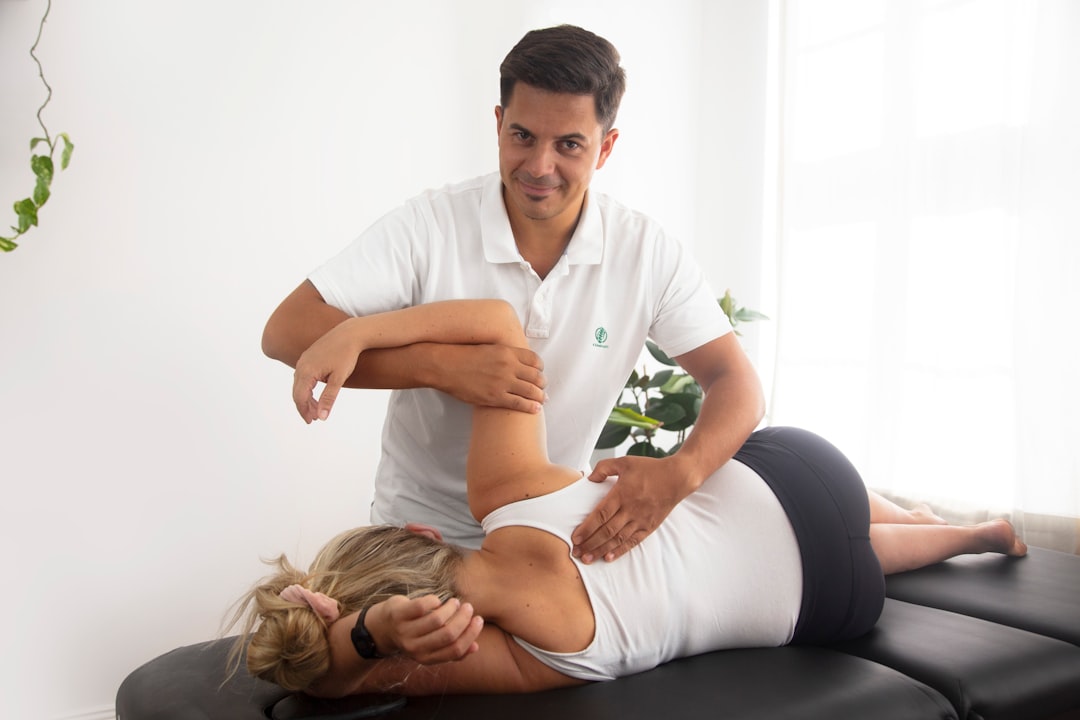
Foot health should not be underestimated, especially when it comes to managing biomechanical issues like supination. Investing in high-quality insoles can serve as a proactive measure to avoid more serious complications down the line. It’s also advisable to consult with a podiatrist or physical therapist to determine the severity of the condition and to get recommendations tailored to individual needs.
For those interested in exploring more about how insoles can help with underpronation, there are resources available that provide detailed information on product features and usage. The benefits of using orthotic support for foot alignment extend beyond immediate comfort, offering long-term improvements in foot function and overall physical health.
Ultimately, maintaining proper foot alignment through the use of supportive insoles is a smart, accessible way to enhance daily life and physical performance. Whether you’re an athlete, a professional on your feet all day, or simply someone dealing with chronic foot discomfort, addressing supination with the right tools can lead to lasting relief and better movement.