June 10, 2026

human heart
Health

Echocardiography for Better Heart Health

A patient arrives at the clinic, worried about their heart after feeling breathless and experiencing chest discomfort. In such cases, echocardiography offers a swift and reliable way to check the heart’s performance. This test uses ultrasound waves to produce moving images of the heart, showing its structure and function in real time. Doctors can spot problems like valve leaks or muscle weakness without needing invasive tests. For example, if someone complains of swelling in their legs combined with fatigue, an echocardiogram can reveal if the heart is struggling to pump blood effectively. This helps doctors tailor treatments specifically to what the heart needs. Echocardiography isn’t a one-size-fits-all tool. The most common form is transthoracic echocardiography (TTE), where a probe moves across the chest to capture images. Another type, transoesophageal echocardiography (TEE), involves inserting a probe into the esophagus to get a closer look at the heart’s details. TEE tends to give clearer pictures but requires sedation and isn’t suitable for everyone. Doctors weigh these factors carefully before choosing the right approach, often explaining the pros and cons so patients know what to expect. For people with known heart issues, regular echocardiograms can track changes over time. Take a small business owner with a family history of heart disease who schedules routine scans. This helps catch any decline early and adjust medications or lifestyle advice accordingly. It’s common for technicians to save images and measurements from past visits to compare against new ones, avoiding repeated tests and ensuring consistency. Communication between patient and doctor about symptoms also guides how frequently these tests should be done. Technological improvements have made echocardiography more precise. Modern machines can generate 3D images of the heart, revealing subtle abnormalities that might be missed on older 2D scans. These detailed visuals assist cardiologists in diagnosing conditions like cardiomyopathy or valve dysfunction with greater confidence. However, such advanced equipment tends to be expensive and might not be available in smaller clinics. That’s why some patients may travel to specialised centres for complex assessments, while routine checks happen closer to home. The procedure itself usually takes about half an hour and is painless. Patients lie on their left side while a gel is applied to the chest to improve sound wave transmission. The technician moves the transducer around, capturing images from different angles. Some patients worry about discomfort or radiation, but echocardiography involves neither. Waiting times for results vary, but clinics often prioritise urgent cases. Patients are encouraged to prepare questions in advance to make the most of the follow-up discussion with their doctor. If initial findings suggest more detailed investigation is needed, echocardiography often serves as the first step before tests like cardiac catheterisation or stress tests. It provides valuable information on heart size, pumping ability, and valve function with minimal risk. Doctors use it alongside other clinical data rather than as a standalone diagnosis. Patients sometimes misunderstand that a normal echocardiogram rules out all heart problems; doctors clarify that symptoms should always be monitored closely even if this test looks clear. echocardiography remains a fundamental tool in managing heart health effectively. Understanding its capabilities helps patients engage more actively in their care. Whether monitoring a chronic condition or investigating new symptoms, this imaging method offers detailed insights that guide practical treatment decisions. heart function assessment techniques

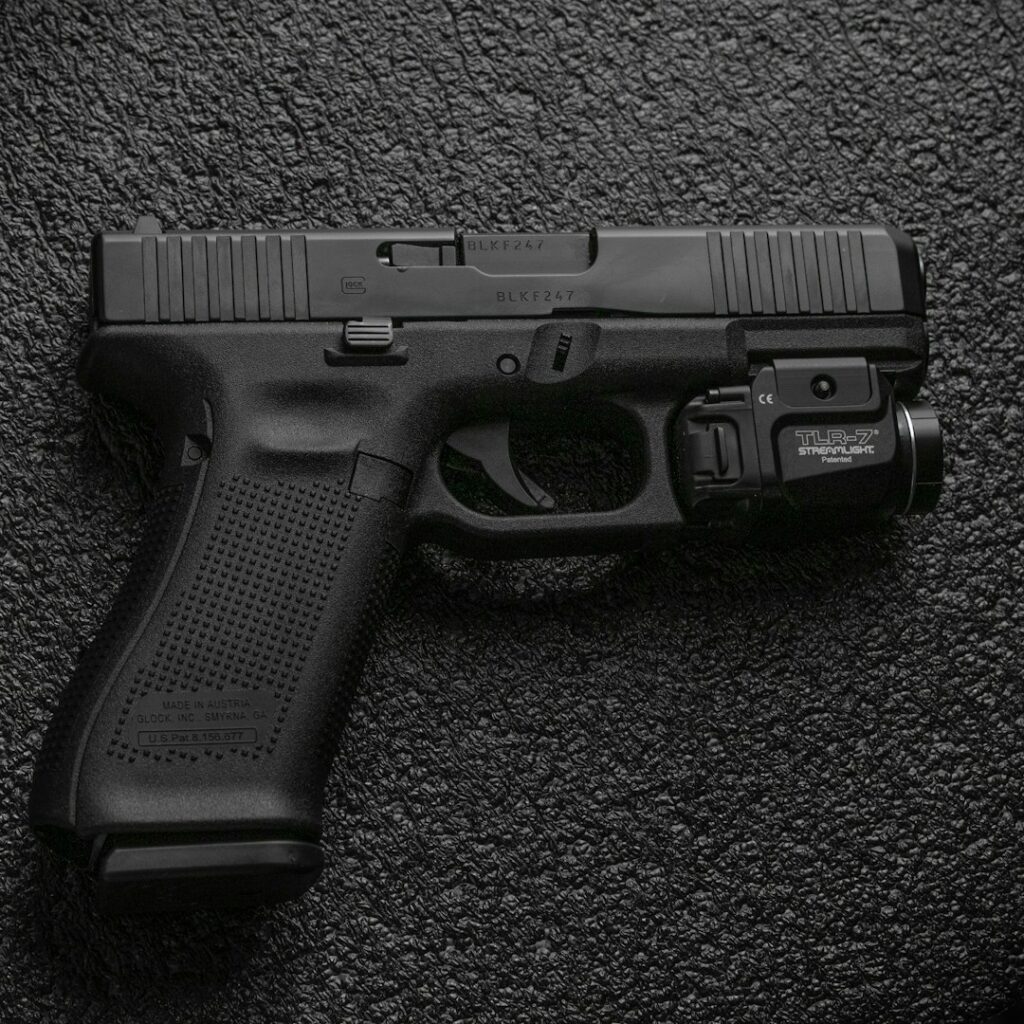
black semi automatic pistol on gray textile
Computer & IT

Explore Pistol Red Dot Sights Today

At the firing range, precision and speed are everything. Instead of struggling to line up traditional iron sights, many shooters now rely on red dot sights that project a crisp, bright dot onto a lens, making target acquisition faster and more intuitive. The advantage is clear: you spend less time aligning sights and more time focusing on the target itself, which can improve your shooting accuracy and reaction time. Take the RX-795 reflex sight as an example. It features IntelliDOT technology that automatically adjusts the dot’s brightness to match ambient light conditions, so you don’t have to fiddle with settings when the sun shifts or you move indoors. A battery level indicator is another practical detail; no one wants their optic to die mid-session without warning. This kind of thoughtful design shows an understanding of real-world use rather than just flashy specs. What sets the RX-795 apart is its buttonless tap controls. Instead of hunting for tiny buttons that might be hard to operate under stress or with gloves, a simple tap on the sight’s housing turns it on or changes brightness. For competitive shooters or anyone in fast-paced scenarios, this reduces distractions and keeps the focus where it belongs: on the target. Comparing red dot sights to iron sights reveals some key differences. Iron sights require careful alignment of front and rear posts, which takes time and practice. Red dots eliminate that step, offering a wider field of view and allowing shooters to maintain better situational awareness. This can be critical in dynamic environments or defensive situations where threats might come from multiple directions. Imagine having to quickly engage several targets in succession. With iron sights, you need to realign after each shot, but a red dot lets you transition smoothly between targets while keeping your primary focus on aiming points. Some shooters who switch from iron sights report a noticeable improvement in their speed and confidence, especially when under pressure. People also choose red dot sights like the RX-795 based on personal shooting style. Some prefer the simplicity and quick target acquisition optics offer, especially for self-defense or sport shooting. It’s not just about tech; it’s about feeling competent handling your pistol when every fraction of a second counts. A common habit among experienced shooters is regularly checking the optic’s mount screws and lens cleanliness before sessions to avoid unexpected issues. For those considering an upgrade, investing in a pistol red dot sight can meaningfully change your shooting experience. These optics are becoming more affordable and reliable, with practical features that reflect real user needs rather than gimmicks. Understanding the differences between models and how they fit your routine will help you avoid mistakes like buying an optic that’s too bulky or difficult to operate quickly. Look closely at options like the RX-795 reflex sight and think about how its features match your shooting habits. Whether you’re refining your skills or just starting out, knowing what to expect from these tools can boost your confidence on the range or in real-world use. For example, some shooters make it routine to dry-fire practice with their red dot active to build familiarity without live ammo. Check out pistol sight mounting tips for advice on getting the setup right the first time.

Scroll to Top