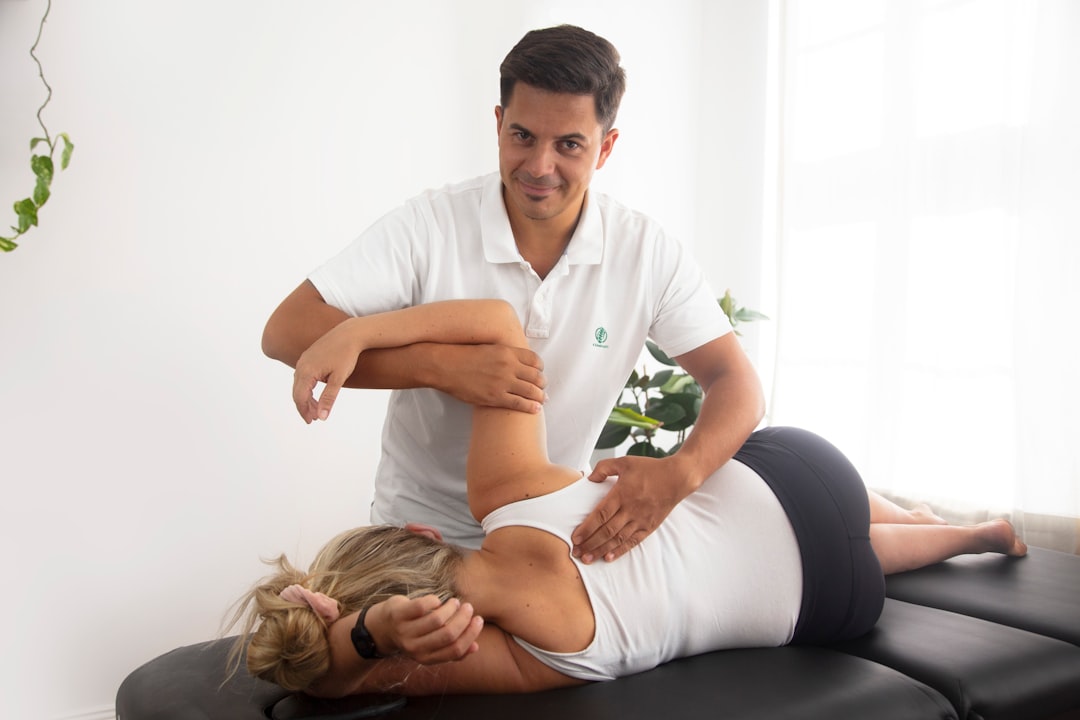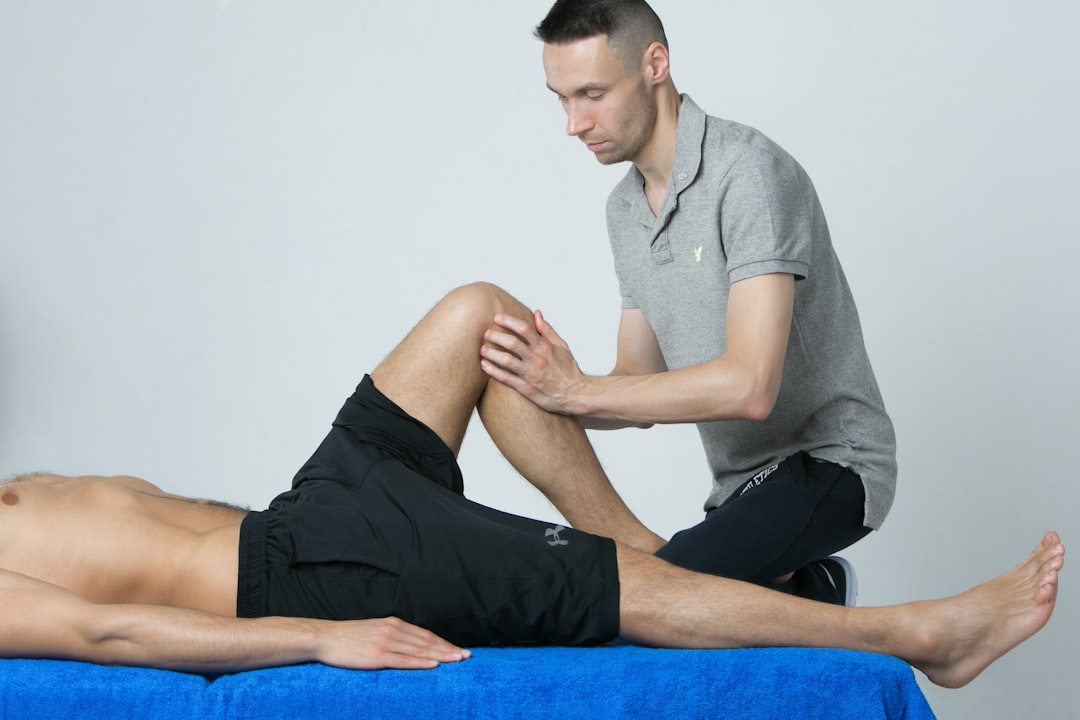

Migraines frequently tie back to neck stiffness or poor posture. Someone who spends hours leaning over a desk or phone can develop tight muscles in the neck and shoulders, which then contribute to headaches. A physiotherapist will assess muscle tightness and joint mobility, then design a plan involving manual therapy like massage or joint mobilizations combined with exercises that stretch and strengthen key muscle groups. They might also recommend ergonomic changes to daily habits, such as adjusting chair height or screen position, to prevent recurring tension.
Stress and anxiety can also worsen migraines. Physiotherapists often incorporate relaxation strategies alongside physical treatments. Simple breathing exercises and gentle stretches can reduce muscle tension and calm the nervous system, making migraines less frequent and severe. This approach often feels more manageable than relying solely on pills. Patients sometimes mention that learning how to control their breathing was a surprising but effective part of their treatment.
During the first visit, a physiotherapist conducts a detailed assessment, not just of symptoms but lifestyle factors. They ask about sleep patterns, diet, exercise habits, and any migraine triggers you’ve noticed. This helps avoid generic treatments and instead builds a program suited to your body and routines. A common misunderstanding is expecting quick fixes; therapists emphasize that consistent effort over weeks usually makes the biggest difference.
Once they pinpoint the cause, treatments may include dry needling to release muscle knots, ultrasound therapy to increase blood flow, and targeted strengthening exercises for neck and shoulder muscles. Patients often get homework: daily stretches or posture checks to break bad habits formed over years. One practical tip therapists give is setting reminders to correct posture during work breaks because it’s easy to slip back into old patterns without noticing.
Booking an appointment is straightforward and vital if migraines have become chronic. Many clinics offer flexible hours for people juggling work and family commitments. Taking this step isn’t just about reducing pain; it’s about reclaiming control over daily life. People who stick with their physiotherapy programs often report fewer headaches and better overall neck mobility.
For those looking for effective strategies beyond medication, consider physiotherapy for migraine. This method targets why the pain starts instead of just dulling it temporarily. It combines hands-on treatments with lifestyle advice and exercises designed for lasting relief.
If you want to explore related health services that might support your recovery, visit health care options nearby. These resources can help you find additional assistance tailored to your needs.