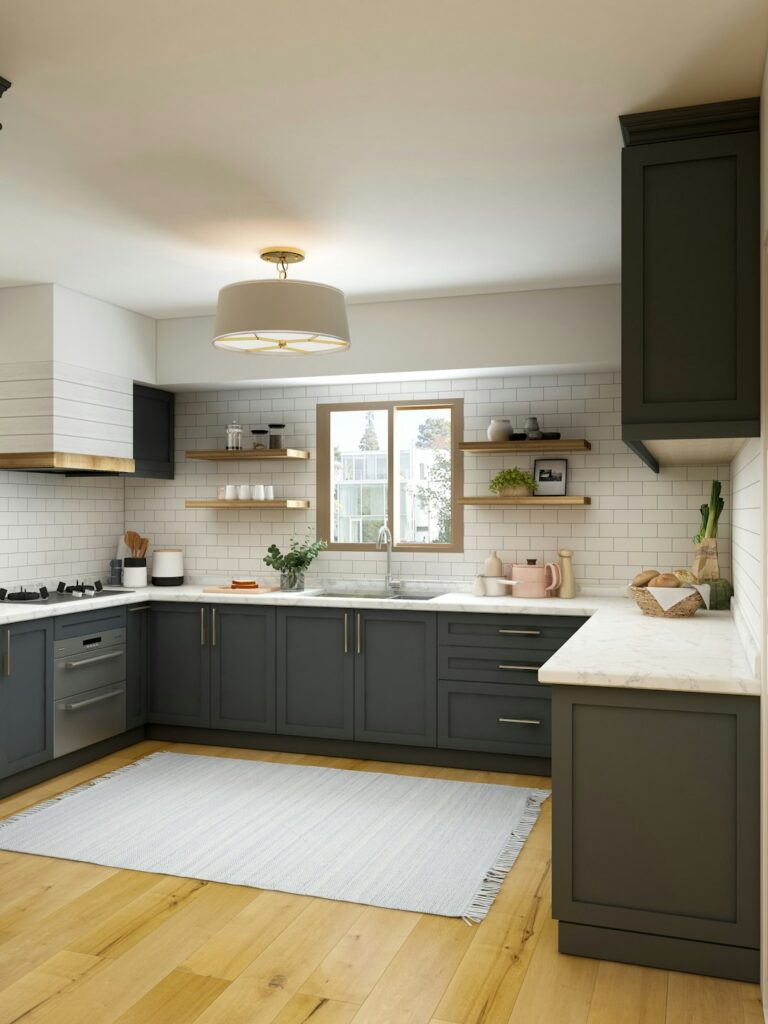
Mildly Transform Your Kitchen Cabinets
Walking into a kitchen with cabinet doors that show signs of wear can be discouraging. Instead of tearing everything out, many homeowners look for ways to refresh their space without a full renovation. Swapping out cabinet doors, drawer fronts, and hardware offers a straightforward way to update your kitchen’s look while keeping the base cabinets intact. This approach saves time and money compared to replacing entire units and still makes a noticeable difference. There’s often confusion around cabinet refacing, with some thinking it means cutting corners on quality. Actually, it’s about preserving the cabinet boxes you already have and focusing on renewing the surfaces you see. New doors come in many styles, flat-panel options suit modern kitchens, while raised-panel doors fit traditional designs. Finishes range from stained wood to painted colors, so you can pick what fits your style and existing décor. Hardware updates matter more than you might expect. Changing hinges and drawer pulls can shift the kitchen’s vibe considerably. For example, swapping old knobs for brushed nickel handles can add a subtle touch of sophistication. Choosing durable, quiet-close hinges prevents future annoyances like noisy or misaligned doors, which often cause calls for readjustments after installation. Cabinet refacing usually involves replacing or refinishing all visible surfaces. This might include sanding and staining the existing framework to match new doors or applying veneers over cabinet boxes to cover imperfections. A common misstep is rushing into refacing without checking the cabinets’ structural condition first. Warped or water-damaged boxes won’t benefit from cosmetic fixes and may require full replacement instead. Not every kitchen benefits equally from refacing. If your cabinets have serious damage or awkward layouts, replacing them could be more practical long term. When deciding, assess cabinet sturdiness, your budget, and how much change you want. Remember, refacing focuses on appearance, not altering storage or cabinet shape. If you want to add shelves or change cabinet sizes, replacement might be necessary. The process starts with protecting floors and countertops to avoid scratches or stains during work. Professionals usually remove old doors carefully, label each piece to avoid mix-ups during reassembly, then prep surfaces by sanding and priming before installing new components. Taking time at each step prevents common issues like paint drips or misaligned doors that cause frustration post-installation. Homeowners in Hamilton have shared before-and-after photos showing how a simple cabinet door swap transforms their kitchens. Small changes like updated hardware and fresh paint can make spaces feel brighter and more modern without heavy demolition. Working with installers experienced in local styles ensures materials and finishes suit the typical kitchen conditions found here. Questions about costs and whether refacing suits specific kitchens come up often. The price depends on cabinet size, materials chosen, and labor involved. Getting multiple quotes helps set realistic expectations. Some also explore related options like re-staining existing doors or fully refinishing all surfaces to save money or preserve original wood grain. If you’re considering options beyond refacing, understanding the differences between re-staining, refinishing, and full replacement is helpful. Each method has trade-offs in cost, durability, and visual impact. To explore ways to enhance your kitchen through cabinet door replacement, contact a local contractor for an estimate. For additional home improvement ideas, check out that fits your plans. kitchen remodeling advice