How to Select a Vending Machine Supplier for Your Workplace
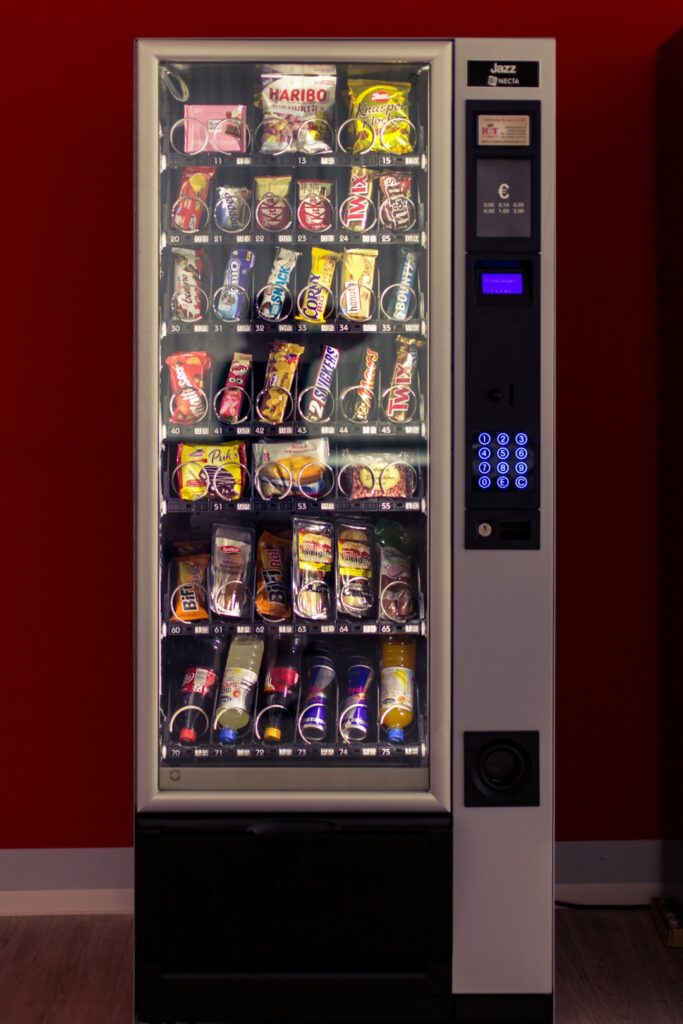
A vending machine can be useful when the staff kitchen is busy, the nearest cafe is several minutes away, or shifts continue outside normal trading hours. The supplier should assess more than the available floor space. Product preferences, expected sales, access, electrical supply, payment methods and replenishment all affect whether the installation works in daily use. Before requesting quotes, note the number of workers on each shift, the busiest break periods and any existing complaints about food or drink access. A provider who asks these questions is more likely to recommend a suitable arrangement than one who simply sends a catalogue of cabinets. Begin with the product mix. Snack machines generally use shelves or spiral coils for items such as crisps, confectionery, biscuits and packaged foods. Drink machines are arranged for cans or bottles, while combination units place snacks and drinks in the same cabinet. A small Brisbane office with limited floor area may benefit from one combination machine. A warehouse, training centre or larger workplace may generate enough demand for separate cabinets, which can provide more room for each category and make stock planning clearer. Record the products people actually request rather than filling the machine with items that only look appealing in a brochure. A vending machine supplier should be able to assess the proposed site, not just describe the machine’s appearance. Measure width, depth and height, then add the clearance needed for doors, loading and maintenance. Walk the delivery route from the entrance to the final position and check corridors, lifts, thresholds and security doors. A tape measure and a few photographs can prevent a later installation problem. Also consider sight lines and lighting. A cabinet beside a staff entrance or break area is easier to notice and use than one placed behind a storage door, even if both sites have the same floor dimensions. Payment arrangements deserve specific questions. Cashless systems may support cards, phones or other electronic methods, but the available options depend on the machine and payment equipment installed. Some machines also accept coins or notes. Ask how transaction records are accessed, whether processing charges apply and how a failed vend is handled when payment is taken but the product does not drop. Telemetry is another term worth clarifying. It can provide remote information about sales, stock or machine status, although the exact data and reporting frequency vary. Request a sample report if stock monitoring will influence refill visits or product decisions. Refrigeration affects both placement and running conditions. A chilled drink machine needs a suitable power connection and space around the cabinet for ventilation. It may also produce more noise than a snack-only unit, which matters beside meeting rooms, reception desks or quiet work areas. Confirm which products the supplier intends to keep cold and how temperature problems are reported. At a training centre with early arrivals and late departures, water and soft drinks may be more useful than a large confectionery range. In a small office with a well-used kitchen, snacks may have stronger demand, with chilled drinks added after staff requests are tracked. Capacity is not simply the number printed in a product brochure. Large bottles occupy more room than slim cans, and bulky snack packets can reduce the number of facings available on a shelf. Ask how shelves, dividers and spirals can be adjusted if the range changes. The dispensing method also matters. A spiral coil suits many packaged snacks, while lifts or controlled dispensing mechanisms may be preferable for products that are easily damaged. Test a few representative items before approval, including the largest bottle, the widest packet and any product in a soft or irregular package. That small check can prevent rejected stock and customer refunds later. Service terms should be written down before the machine arrives. Clarify whether the supplier, your staff or a third-party operator handles refilling, and state how often visits are expected. Confirm who selects products, checks expiry dates, cleans the cabinet and removes damaged stock. Ask for the fault contact method, expected response process and refund procedure, especially if the machine is located in a warehouse or operates across several shifts. Keep the quote, site plan and service agreement together in the facilities folder. That habit gives reception staff and maintenance personnel the same instructions when the usual contact person is away. Use the same questions when comparing workplace vending machine planning from different providers. Separate the cabinet price from delivery, installation, hire, servicing and payment processing charges. Ask whether electricity, product wastage and refill labour sit with you or the operator. Check the proposed agreement for ownership, contract length, cancellation terms and responsibility for damage, without assuming these details are included in a verbal quote. A practical assessment should also cover access for service visits and what happens if demand changes. The suitable arrangement is the one that remains manageable after installation, with clear duties, workable stock levels and a machine matched to the people using it.