October 12, 2026

black and white photo of headphones
Equipment

Practical Two Way Radio Earpiece

You are directing staff across a busy venue, yet every radio call is competing with music, machinery and nearby conversations. Holding the radio to your mouth is awkward, while a single earpiece can leave one ear struggling to follow instructions. A dual-earhook two way radio earpiece offers a more considered arrangement: it sends the audio to both ears, keeps the microphone and push-to-talk control within reach, and leaves your hands available for the job. That is useful for event crews, security teams, warehouse staff and anyone who needs to hear a message without broadcasting it to everyone nearby. The defining feature is the Y-splitter. One cable from the radio divides into two earpiece branches, allowing the same transmission to be heard on the left and right sides. This is not stereo sound, and it does not improve the radio signal; it simply gives both ears the same voice feed. In a noisy exhibition hall, that balance can make speech easier to follow than audio entering from one side. A dual-earhook design also spreads the load, rather than relying on a small bud that may loosen as the wearer walks, bends or turns. Fit deserves more attention than it usually receives. Earhooks sit around the ears, helping the earpieces stay in position without sealing the ear canal. Soft foam covers can reduce discomfort during a long shift, although comfort remains personal and depends on ear shape, glasses and headwear. A reversible fit is practical because the wearer can route the assembly from either side. Concealed cable routing is also more than a tidy detail: it reduces exposed loops that can catch on clothing, door handles or equipment while someone is moving through a crowded workplace. The inline PTT, or push-to-talk, button is the control that starts transmission. Pressing it sends your voice through the microphone, while releasing it returns the radio to listening mode. Keeping this control on the cable is often quicker than reaching for a radio clipped to a belt or vest. Consider a venue marshal guiding a contractor through a service entrance. They can hold a barrier with one hand, operate the inline control with the other and speak briefly without removing the radio. That arrangement supports clear, deliberate messages rather than hurried shouting. Microphone placement still matters. A microphone hidden under a collar may rub against fabric and create noise, while one hanging too far from the mouth may produce a faint or inconsistent voice. The sensible approach is to position it near the upper chest or lapel, away from zips and loose material, then test it with the radio at normal volume. Radio accessories also need to match the radio’s connector and wiring arrangement. A physically similar plug is not proof of compatibility, so checking the radio model and connector before ordering is a basic step, not needless caution. For teams comparing designs, a two way radio earpiece with two-wire construction can be attractive because its layout is straightforward: one path carries the microphone and another carries the speaker signal. That simplicity can make the cable easier to understand and maintain, but it does not remove normal wear. Inspect the plug, cable joins, foam covers and PTT housing regularly. If sound becomes intermittent, isolate the fault before a busy shift rather than assuming the radio itself has failed. A sensible choice depends on the task, not just the promise of discreet communication. For short jobs in a quiet shop, one ear may be adequate and a dual-ear model could feel unnecessary. For staff working beside traffic, crowds or constant machinery, hearing both ears can make spoken traffic easier to catch, while the open-ear style preserves some awareness of the surroundings. Keep spare foam covers available, route the cable under clothing where appropriate, and use a reliable source for radio communication accessories. The right earpiece should reduce distractions, not introduce a new one.
Health Care

Sports Physio Sydney Guide

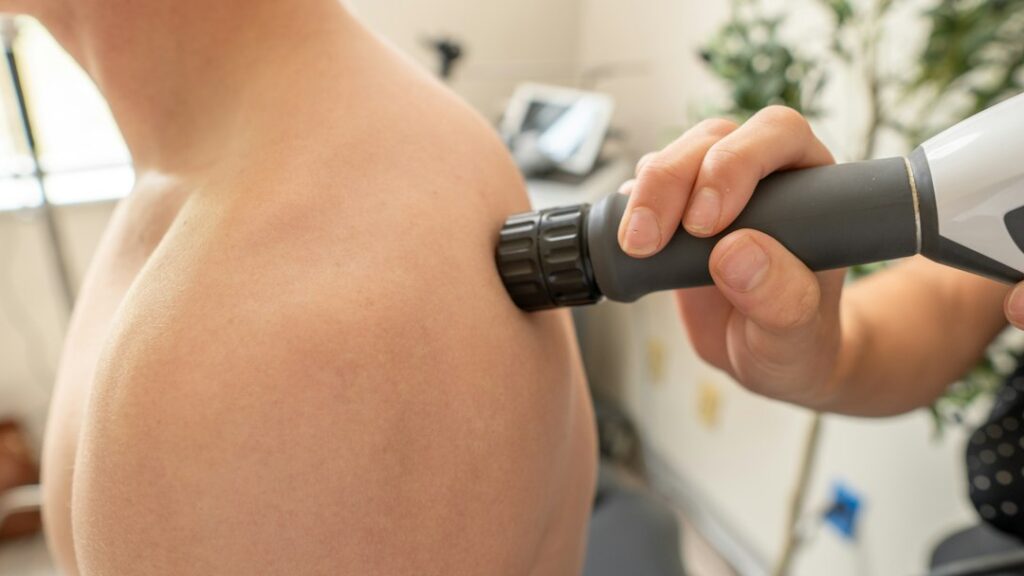
If knee pain appears after a Sydney fun run, or a shoulder begins aching after several training sessions, the first decision is not necessarily whether to have a scan or massage. A sports physiotherapist should investigate what may be irritated, how movement and training contribute, and which activities are sensible for now. Look for a clinician familiar with your sport who explains findings in plain English. A useful starting point is a sports physio sydney assessment when pain affects training, sleep, work or confidence. The aim is a reasoned plan rather than a promise of instant relief. A sound assessment involves more than finding the sore spot. The clinician may ask when symptoms started, what changed in your training, and whether pain varies with effort or rest. They might examine joint movement, test strength and observe tasks such as landing, lifting, running or changing direction. Load management means adjusting the amount, speed or frequency of activity so the body is challenged without repeated overload. Hypothetically, a runner with Achilles pain might replace some fast sessions with easier running and cycling while continuing suitable calf exercises. The plan should reflect symptoms and their response over several days, not one test alone. Ask what happens after the first appointment. Hands-on treatment, including joint or soft-tissue techniques, may improve movement or ease discomfort, but it is commonly combined with active rehabilitation. Exercise therapy can build muscle and tendon capacity through resistance, balance work and sport-specific drills. Proprioception is the body’s sense of joint position, which helps an ankle react on uneven ground. A useful provider should explain why each exercise is included, how often to perform it, and what level of soreness is acceptable afterwards. That explanation helps you make sensible adjustments instead of stopping or pushing through without guidance. Consider whether the provider can support each stage of recovery. Early care may concentrate on settling irritation and restoring comfortable movement, while later sessions can address strength, coordination, speed and competition demands. A return-to-play plan should use practical milestones rather than a calendar alone. For example, someone recovering from a hamstring strain may need to tolerate progressive sprinting, stopping and kicking before joining a full football match. Progress deserves regular review because pain, fatigue, work duties and training volume can change from week to week. A slower progression may be more useful than a rushed return followed by another setback. Convenience also affects whether rehabilitation is followed. Compare location, appointment times, fees, communication and how much supervised care you are likely to need. Ask whether the clinician can communicate with your coach, doctor or another health professional when coordination would help. It may also be sensible to check whether the practice provides related services such as exercise physiology, remedial massage, or pre and post-operative rehabilitation. Information from a local physiotherapy team can help you prepare questions, but online material cannot replace an individual examination or confirm the cause of pain. Imagine two different choices. A recreational tennis player with a sore elbow may benefit from reducing hitting volume, building forearm capacity and reviewing technique, rather than resting completely until symptoms disappear. A basketball player returning after an ankle sprain may need hopping, cutting and landing drills, with difficulty increased gradually. In both situations, ask how progress will be measured. Possible measures include range of motion, strength compared with the other side, confidence during a sport task and the ability to complete training without a lasting flare-up. The most suitable measures should relate to the activity you want to resume. Seek prompt medical advice for severe pain, major swelling, obvious deformity, numbness, loss of strength, chest symptoms or an injury that prevents normal weight-bearing. A sports physiotherapist can advise whether physiotherapy is suitable or whether another assessment is needed. When comparing Sydney providers, prioritise clear reasoning, relevant sporting experience and a plan that combines symptom control with rebuilding capacity. Before leaving an appointment, you should understand what to do today, what to modify for now and which signs mean the programme needs review. That clarity is more dependable than a quick-fix claim, particularly when recovery requires patience and repeated adjustment.

Scroll to Top