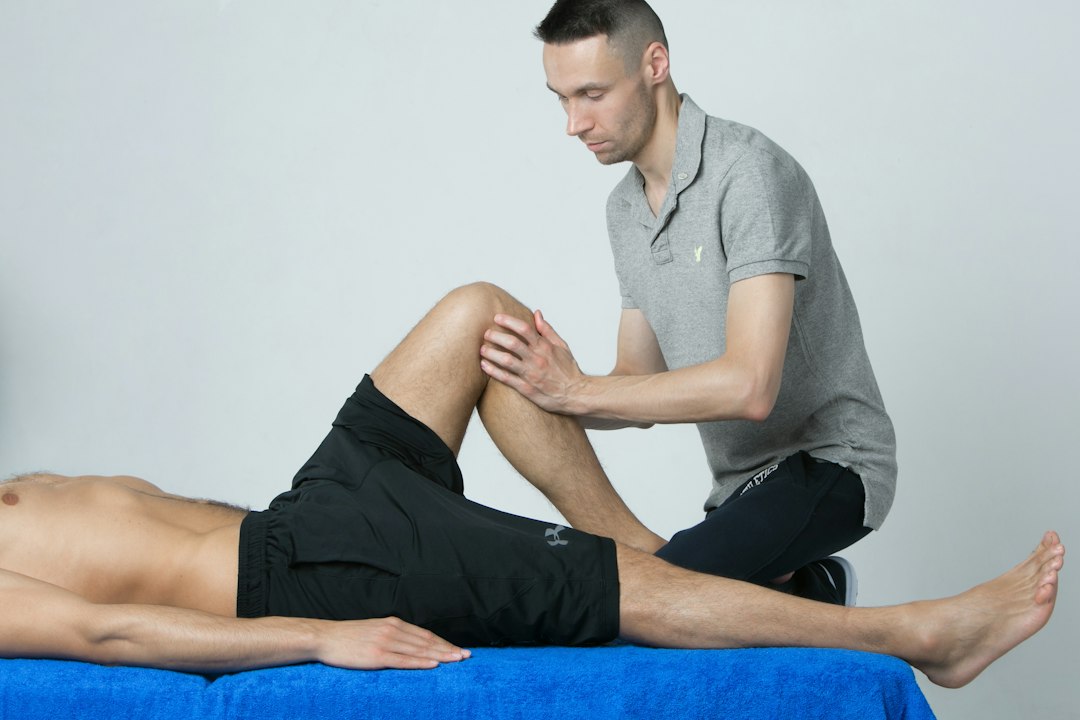

A sound assessment involves more than finding the sore spot. The clinician may ask when symptoms started, what changed in your training, and whether pain varies with effort or rest. They might examine joint movement, test strength and observe tasks such as landing, lifting, running or changing direction. Load management means adjusting the amount, speed or frequency of activity so the body is challenged without repeated overload. Hypothetically, a runner with Achilles pain might replace some fast sessions with easier running and cycling while continuing suitable calf exercises. The plan should reflect symptoms and their response over several days, not one test alone.
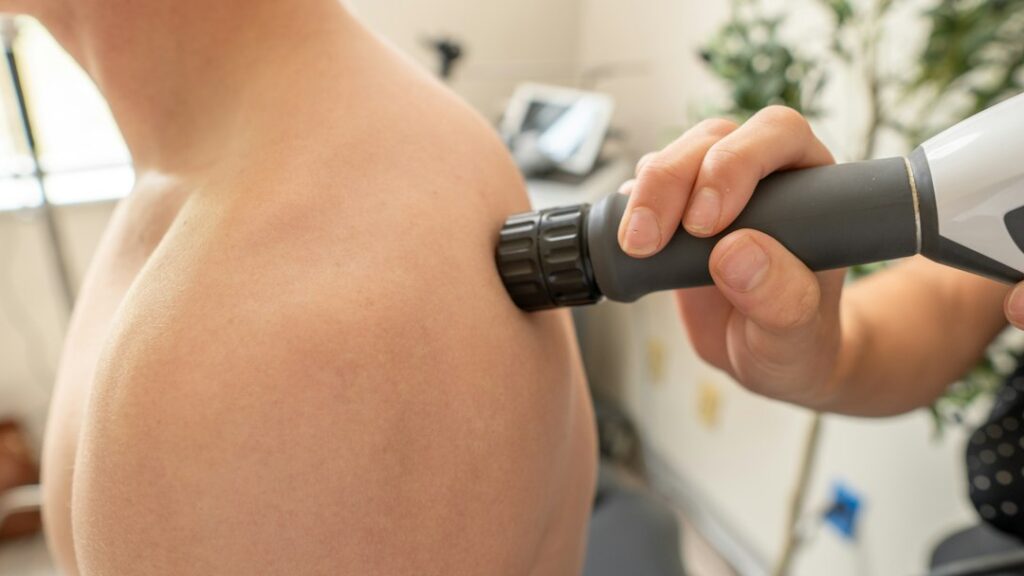
Ask what happens after the first appointment. Hands-on treatment, including joint or soft-tissue techniques, may improve movement or ease discomfort, but it is commonly combined with active rehabilitation. Exercise therapy can build muscle and tendon capacity through resistance, balance work and sport-specific drills. Proprioception is the body’s sense of joint position, which helps an ankle react on uneven ground. A useful provider should explain why each exercise is included, how often to perform it, and what level of soreness is acceptable afterwards. That explanation helps you make sensible adjustments instead of stopping or pushing through without guidance.
Consider whether the provider can support each stage of recovery. Early care may concentrate on settling irritation and restoring comfortable movement, while later sessions can address strength, coordination, speed and competition demands. A return-to-play plan should use practical milestones rather than a calendar alone. For example, someone recovering from a hamstring strain may need to tolerate progressive sprinting, stopping and kicking before joining a full football match. Progress deserves regular review because pain, fatigue, work duties and training volume can change from week to week. A slower progression may be more useful than a rushed return followed by another setback.
Convenience also affects whether rehabilitation is followed. Compare location, appointment times, fees, communication and how much supervised care you are likely to need. Ask whether the clinician can communicate with your coach, doctor or another health professional when coordination would help. It may also be sensible to check whether the practice provides related services such as exercise physiology, remedial massage, or pre and post-operative rehabilitation. Information from a local physiotherapy team can help you prepare questions, but online material cannot replace an individual examination or confirm the cause of pain.
Imagine two different choices. A recreational tennis player with a sore elbow may benefit from reducing hitting volume, building forearm capacity and reviewing technique, rather than resting completely until symptoms disappear. A basketball player returning after an ankle sprain may need hopping, cutting and landing drills, with difficulty increased gradually. In both situations, ask how progress will be measured. Possible measures include range of motion, strength compared with the other side, confidence during a sport task and the ability to complete training without a lasting flare-up. The most suitable measures should relate to the activity you want to resume.
Seek prompt medical advice for severe pain, major swelling, obvious deformity, numbness, loss of strength, chest symptoms or an injury that prevents normal weight-bearing. A sports physiotherapist can advise whether physiotherapy is suitable or whether another assessment is needed. When comparing Sydney providers, prioritise clear reasoning, relevant sporting experience and a plan that combines symptom control with rebuilding capacity. Before leaving an appointment, you should understand what to do today, what to modify for now and which signs mean the programme needs review. That clarity is more dependable than a quick-fix claim, particularly when recovery requires patience and repeated adjustment.