
The process kicks off by working with an architect who can turn your vision into concrete plans. This means discussing your style preferences, the land where you’ll build, and your budget limits. For example, if you want open-plan areas for collaboration, your architect must balance that with safety elements like emergency exits and wheelchair access.
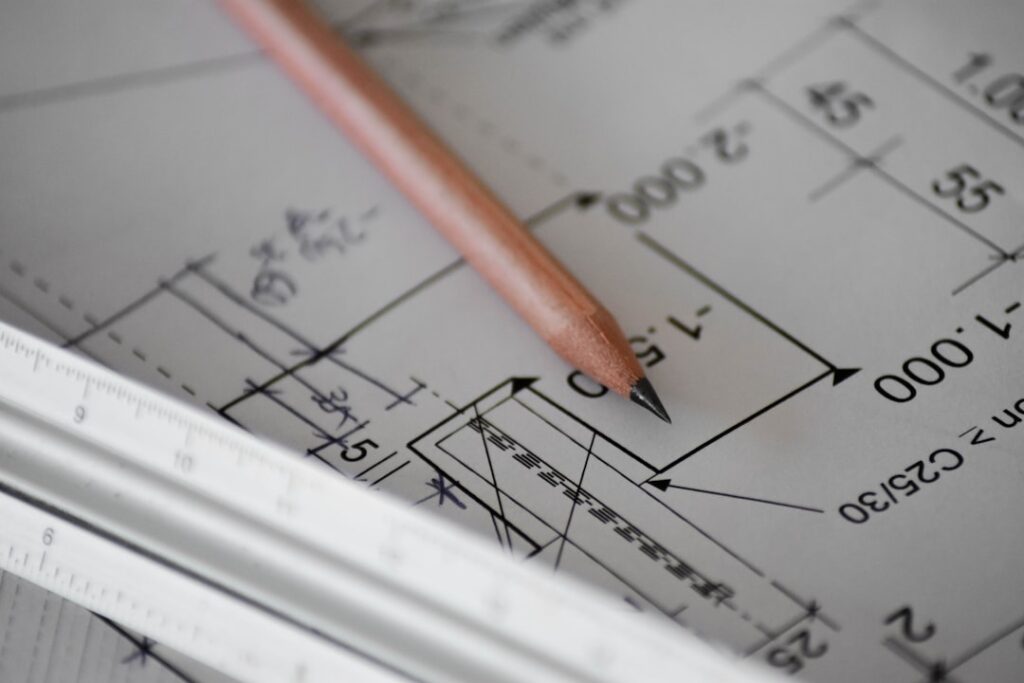
Once the initial sketches are ready, the focus shifts to technical details. Architectural drawings lay out walls and spaces, but structural drawings confirm the building will handle loads from wind or weight. Mechanical layouts show how heating, cooling, and ventilation will keep the environment comfortable. Missing or unclear structural notes often cause costly delays on site.
Sometimes you’ll need a feasibility study early on. This report checks if your plan fits zoning laws and if the site conditions support your design. If you’re in a zone with strict height limits or setback requirements, knowing this upfront avoids redesign later. Architects usually visit the site to spot issues like poor soil or drainage problems that might not be obvious on paper.
Getting permits can slow things down for inexperienced builders. Different municipalities ask for specific documents and forms. Well-prepared architectural construction documents help speed approvals and reduce back-and-forth with inspectors. It’s common for builders to miss submitting certain certificates or structural calculations, causing unexpected stops on the timeline.
Modern architects use 3D modeling and renderings to bring plans to life before ground breaks. These images let you walk through virtual spaces and spot design flaws early. Clients often catch issues like awkward furniture layouts or poor natural lighting that aren’t obvious in 2D drawings. Adjusting at this stage saves headaches during construction.
During construction, these documents are your roadmap. Contractors rely on them to follow exact specifications. As-built drawings record any changes made onsite, such as shifting a wall due to underground pipes. Keeping these updated prevents confusion when it’s time for inspections or future renovations.
Clear communication between all parties is vital throughout this journey. A common misstep is assuming every contractor interprets drawings the same way. Regular site meetings and walkthroughs help prevent misunderstandings that lead to rework. Also, labeling drawings clearly and cross-referencing specs cuts down on errors.
If you’re planning a build or remodel, consulting with architects familiar with local codes and construction realities makes a big difference. For practical advice on preparing your project, feel free to building permit requirements explained.