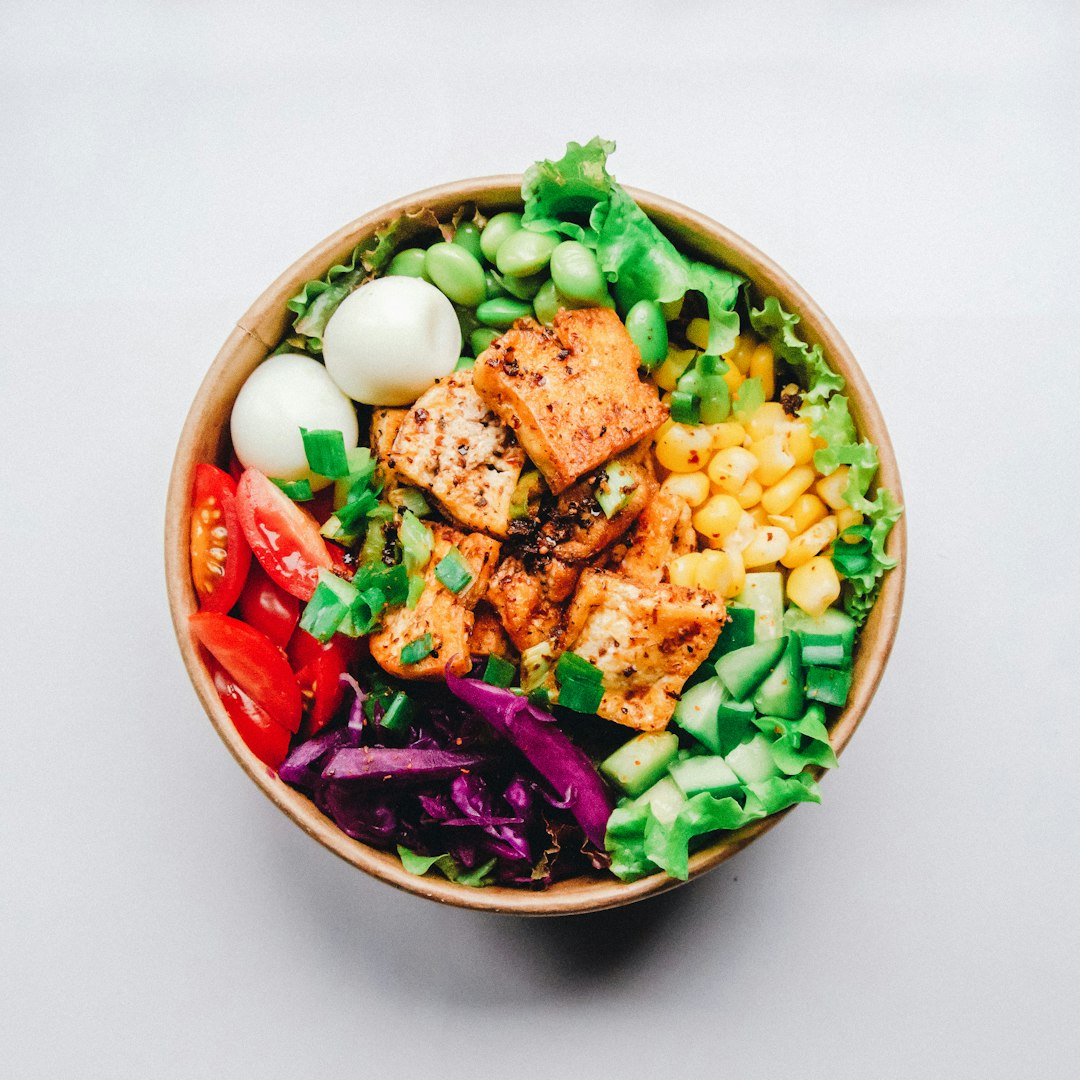

Start with soluble fiber, the type that absorbs water and forms a soft gel in the digestive tract. Oatmeal, kiwi, citrus, and chia seeds in a modest portion can support stool consistency and may be gentler than a large serving of bran. Insoluble fiber, found in raw vegetable skins and some whole grains, adds bulk but can feel abrasive when your gut is already sensitive. This does not make insoluble fiber bad; it means portion and preparation matter. If constipation is part of the problem, increase fiber gradually and drink enough water rather than suddenly adding a giant bowl of vegetables.
Cooked foods are often more comfortable than raw ones during a flare because heat softens plant cell walls and reduces the chewing and digestive work required. Try steamed zucchini, peeled potatoes, cooked spinach, or carrots alongside eggs, fish, chicken, or tofu. A simple dinner such as baked salmon, white rice, and cooked zucchini is usually easier to assess than a meal containing six unfamiliar ingredients. Eat slowly and pause between servings. Swallowed air, known as aerophagia, can add pressure, especially when meals are rushed, eaten while talking, or washed down with fizzy drinks.
Some foods produce more gas because gut bacteria ferment carbohydrates that are not fully absorbed in the small intestine. These carbohydrates are often discussed as FODMAPs, a technical term for fermentable sugars and fibers. Beans, onions, garlic, wheat-based foods, and certain fruits can be triggers for some people, but removing all of them indefinitely is unnecessary and may reduce diet variety. Instead, notice patterns and test one change at a time. For example, if an onion-heavy pasta dinner repeatedly causes discomfort, try garlic-infused oil and a smaller portion of pasta on another day.
Potassium-rich foods can be sensible when bloating feels linked to temporary fluid retention, particularly after a salty restaurant meal. Potassium helps balance body fluids, and foods such as bananas, potatoes, oranges, yogurt, and spinach can contribute to intake. This is different from intestinal gas, which comes from fermentation or swallowed air, so potassium will not instantly fix every swollen abdomen. Drink water steadily rather than consuming a huge amount at once. Anyone with kidney disease or advice to restrict potassium should check with a clinician before deliberately increasing these foods.
Fermented foods deserve a measured, individual approach. Plain yogurt with live cultures or a small serving of kefir may suit someone who tolerates dairy, while lactose-free yogurt can be a better trial for someone who gets gas from lactose, the natural sugar in milk. Sauerkraut and kimchi can add beneficial microbes but may also bring salt, spice, and fermentable ingredients. Start with a few bites, not a large bowl. If bloating follows dairy, consider lactose intolerance, in which insufficient lactase leaves milk sugar for bacteria to ferment, rather than assuming every dairy food is harmful.
A practical day might include oatmeal and a kiwi at breakfast, rice with chicken and cooked carrots at lunch, and a potato with fish and spinach at dinner. Keep portions moderate, chew thoroughly, and take a gentle walk after eating to support gut motility, meaning the coordinated movement of food through the digestive tract. Record symptoms for one to two weeks without judging every meal as good or bad. Persistent, severe, painful, or rapidly worsening bloating, especially with vomiting, blood in stool, fever, weight loss, or a major bowel change, deserves medical assessment rather than more food experimentation. A dietitian can help identify triggers without unnecessary restriction, including through personalized gut health support.