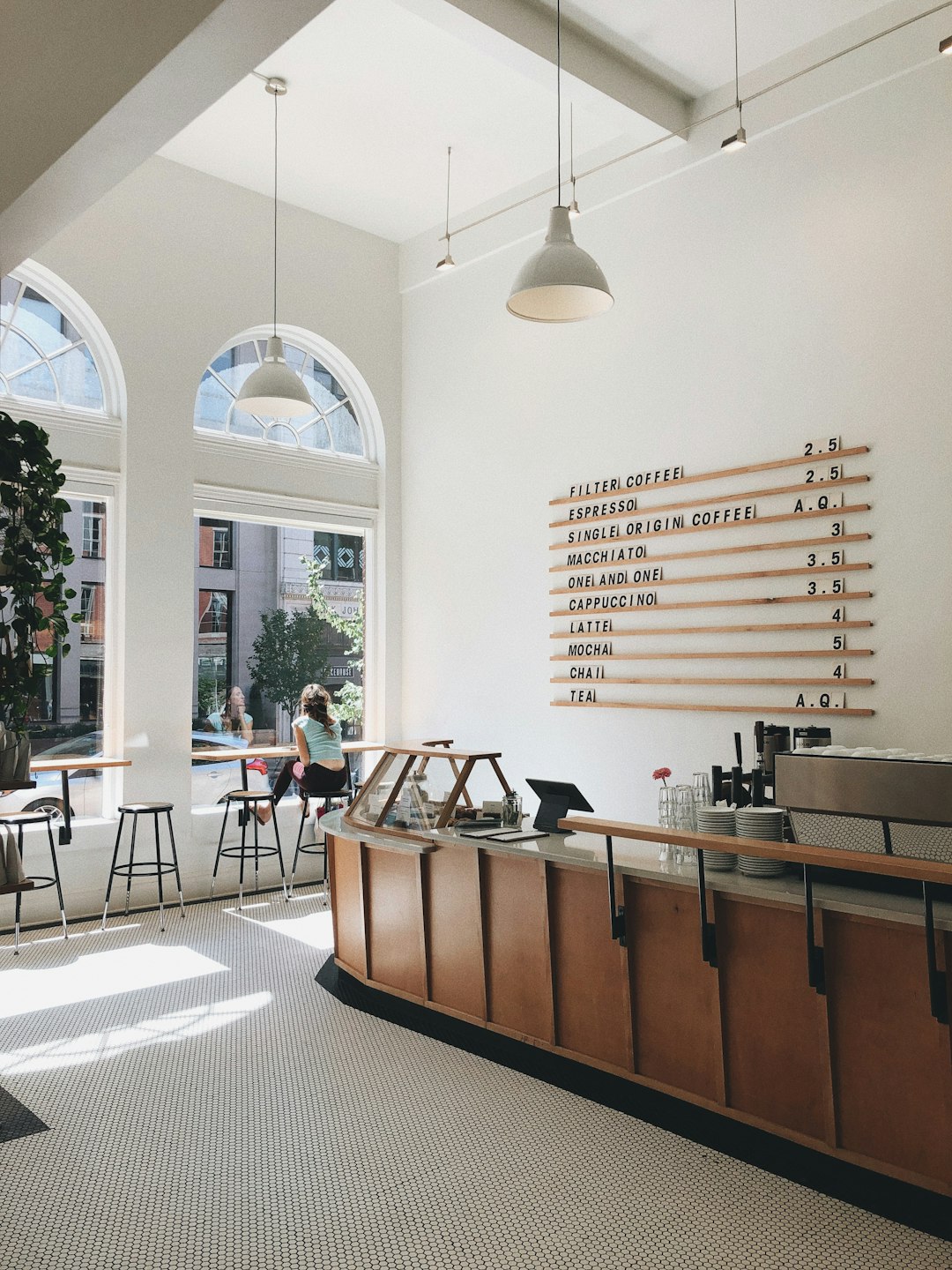

Furniture choices affect more than just comfort; they shape your cafe’s personality. Pick chairs and tables that invite people to stay without crowding the room. Mix seating options, smaller tables for solo visitors and larger ones for groups, to give flexibility. Choose materials that clean easily, so spills don’t slow down operations or leave stains. Regularly checking for loose screws or worn cushions prevents last-minute repairs during peak times.
Lighting sets the mood and influences how long people linger. Big windows or skylights bring in natural light, making the space feel open and fresh. When the sun goes down, adjustable fixtures let you shift from bright and lively to soft and cozy. Avoid harsh fluorescents; instead, use warm bulbs and dimmers. A simple habit is to test lighting at different times of day before finalizing your setup.
Your kitchen layout affects how fast you serve and how your customers see your brand. An open kitchen can build trust by showing food prep, but it demands constant tidiness. Staff should keep counters clear and wipe surfaces often to avoid messes that could put customers off. Arrange equipment like espresso machines, grinders, and refrigerators within easy reach to cut unnecessary steps. A well-planned workflow reduces staff fatigue and speeds up orders.
Technology can improve both service and efficiency if used thoughtfully. Mobile ordering apps and self-service kiosks help lower wait times and reduce errors in orders. However, they require upfront investment and staff training to work well. Don’t assume all customers will embrace technology; keep traditional ordering available too. Regularly update systems and check they’re user-friendly to avoid frustrating both customers and employees.
Knowing who your customers are shapes many design decisions. If students or remote workers are your main crowd, provide plenty of power outlets and reliable Wi-Fi. Many will appreciate quiet corners and sturdy tables for laptops. For families, include kid-friendly seating or a small play area to keep children occupied. Overhearing conversations about power outlet shortages or Wi-Fi issues is common in cafes; addressing these stops complaints before they start.
Starting with small cafe shop design means every choice matters. Chatting with other cafe owners can shine a light on what works in real-world settings, avoiding common pitfalls like poor layout or underestimating peak hour rushes. Many new owners learn the hard way that small design tweaks can cause big headaches if not planned properly.
Look for mentorships or courses that cover practical business skills alongside cafe-specific topics. Expert advice helps sharpen your vision while providing tools for day-to-day management, from inventory control to staff scheduling. For tailored resources, visit coffee shop business advice where you can find guidance aimed directly at coffee entrepreneurs.