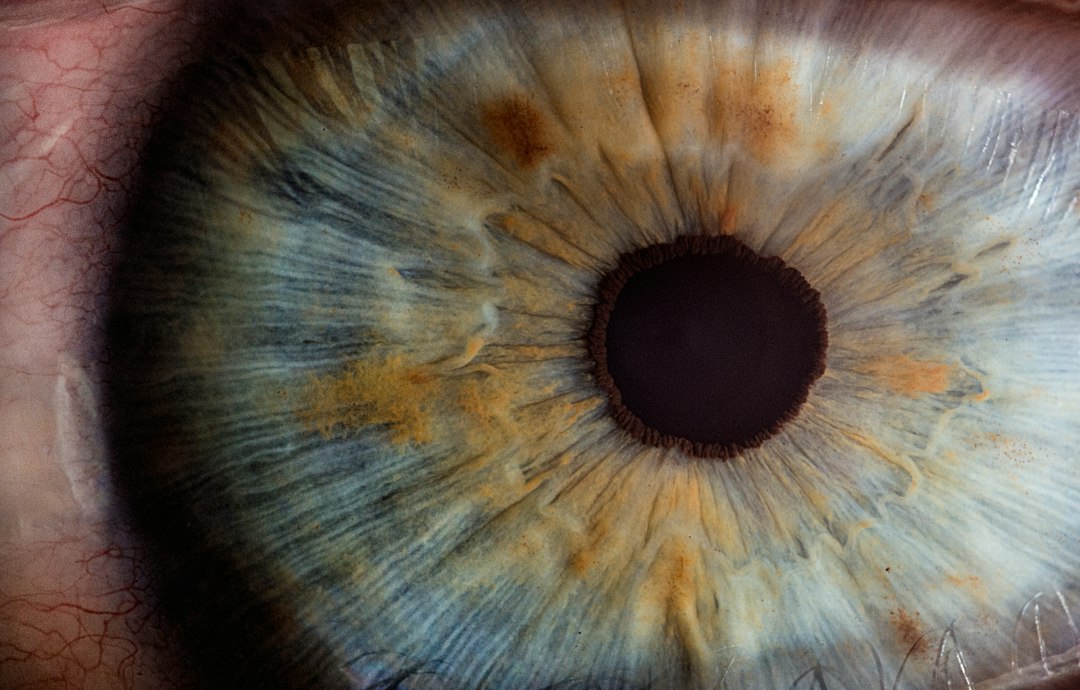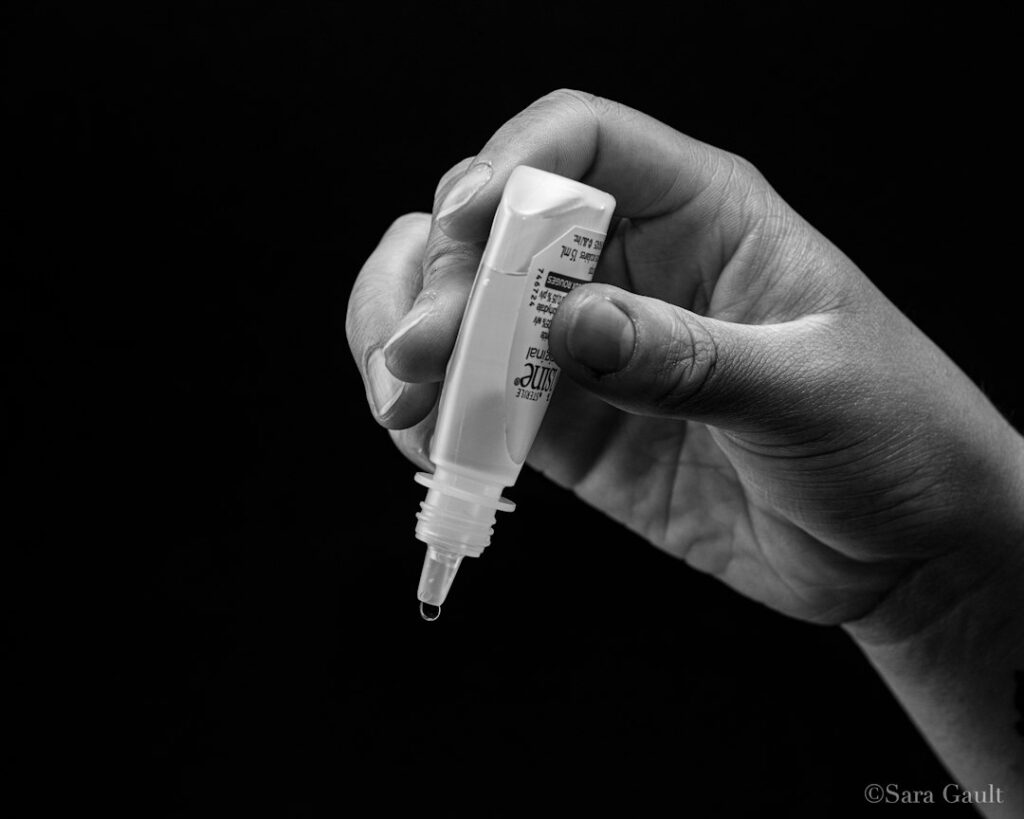

Tears are more than water. Each blink spreads a thin tear film over the cornea, made up of a watery layer, mucus and oils from glands in the eyelids. This film helps keep the surface smooth and vision clear. A watery lubricant may feel comfortable if the eyes mainly feel dry or scratchy. If the eyes water but still feel gritty, tears may be evaporating too quickly. An optometrist can examine the tear film and eyelids rather than relying on the label of a bottle alone.
Preservatives deserve attention if drops are used regularly. They help limit contamination in some multi-use bottles, but they can irritate already sensitive eyes, especially with frequent application. Preservative-free products may be worth discussing if you use drops several times each day, wear contact lenses or have inflamed eyelid skin. They are often supplied in small single-use containers. Read the package instructions about opening, storage and disposal, since keeping a partly used container for later may increase contamination risk.
The consistency of a lubricant also affects how it fits into your routine. Thin drops are usually easier to use during work because they tend to interfere less with clear vision. Gels are thicker and may remain on the eye for longer, although temporary blurring can make them unsuitable just before driving or reading fine print. A person who works in an air-conditioned office may also need advice about screen breaks, airflow and lens wear. Check the package to confirm that a product is approved for use with contact lenses rather than assuming all lubricants are compatible.
Watery eyes do not always mean that the eyes need more lubrication. Itching, seasonal flare-ups and exposure to dust may point towards allergy or another source of surface irritation. Discharge, pronounced redness or increasing discomfort needs a different assessment again. A contact lens wearer who develops grit after a long shift should record how many hours the lenses were worn, whether the discomfort improves after removal and which solution was used. Those details can prevent repeated trials of drops that soothe briefly but do not address the underlying problem.
The eyelids can be part of the problem. Meibomian glands along the lid margins release oil that helps slow evaporation. If the gland openings are blocked or the oil quality is poor, the eyes may water while the surface still feels dry. An examination may include the lid edges, blinking pattern and tear film, followed by advice about warm compresses, gentle lid cleaning or changes to lens and screen habits. These measures are not required for every irritated eye, but recurring symptoms may persist if the eyelid contribution is ignored.
Arrange a dry eye symptom assessment if discomfort keeps returning, interferes with reading or driving, or fails to settle with sensible lubricant use. Bring a list or photograph of current medicines, contact lens details and the eye drops already tried. Mention how often you use screens, whether a fan or air conditioner blows towards your face, and whether symptoms are worse in the morning or evening. An optometrist can then examine the surface and decide whether a pharmacy lubricant is reasonable or whether another form of care is needed.
Use a drop with clean hands and keep the bottle tip away from your eye, lashes and skin. Replace it according to the instructions, including any discard period after opening. Stop using a product and seek advice if it causes persistent burning or blurred vision. Prompt assessment is appropriate for significant pain, marked redness, light sensitivity, sudden vision change, injury or discharge, particularly in a contact lens wearer. For occasional mild irritation, preservative-free lubrication and regular screen breaks may help, while repeated symptoms warrant a more tailored plan.