
Location affects both the appearance of the images and how easily the session unfolds. A beach can provide open backgrounds and reflected light, but wind, sand, and changing tides may affect clothing and comfort. A park, garden, or neighborhood setting may offer shade and familiar paths for walking. If the photographs are part of a San Diego vacation, allow time for parking, traffic, and a backup plan rather than scheduling the session between two fixed activities. Families comparing options can review Family Photography San Diego as part of that planning process.
Light is the next decision. Golden hour means the period shortly after sunrise or before sunset when sunlight is lower and softer, which can reduce harsh shadows on faces. That timing is not always practical for toddlers, so an earlier session in open shade may work better. Open shade is an area protected from direct sun but still bright enough for even illumination. For example, a family with a baby might choose a shaded walkway in the morning, while a group of teenagers may handle a sunset beach session comfortably.
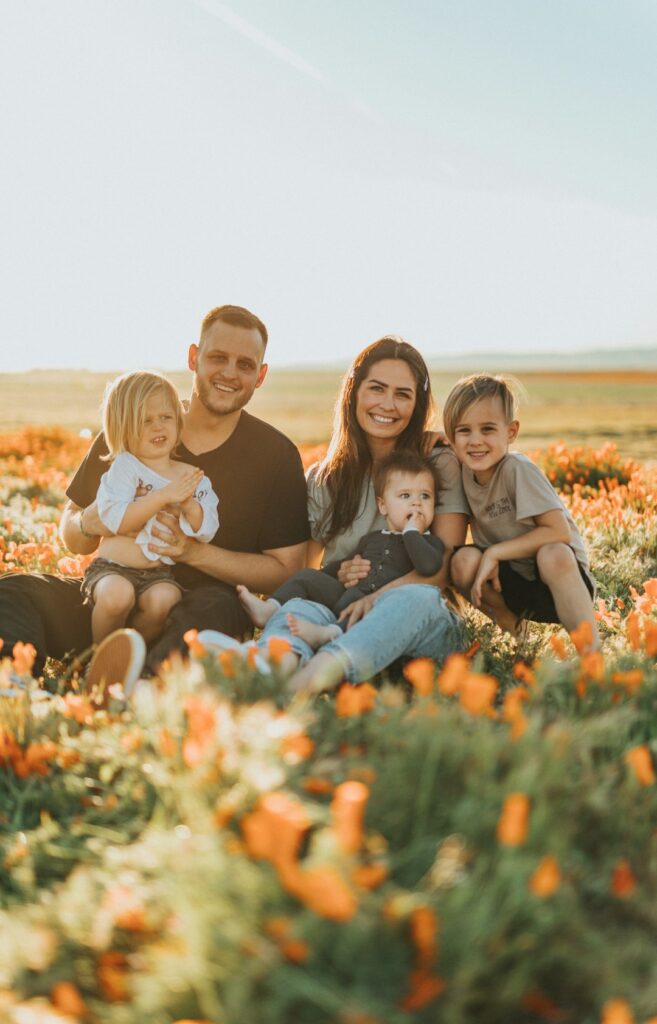
Clothing should coordinate without making everyone look identical. Start with two or three related colors, then add texture through denim, knitwear, or simple layers. Avoid tiny stripes and prominent logos because they can distract from expressions and create distracting patterns in a photograph. Consider the setting as well: pale clothing may blend into a bright beach, while strong colors can stand out against greenery. Bring a backup shirt for young children and comfortable shoes for walking, even if the final portraits will be made barefoot or on a clean surface.
During the session, natural interaction usually produces more varied images than asking everyone to hold one fixed pose. A photographer may use prompts such as walking together, whispering a joke, or having a child stand between two adults. Several camera settings affect the result. Shutter speed controls how long the camera records light, so a faster speed helps freeze a running child. Aperture controls how much of the scene appears sharp, while ISO adjusts the camera’s sensitivity to light. These choices balance movement, background softness, and image brightness.
Ask before booking how the photographer handles groups of different sizes, children who need breaks, and image selection after the session. A large extended family may need combinations of the whole group, individual households, grandparents, and children together, so communicate those priorities in advance. You can also ask what happens if weather changes and whether the location requires permission. A clear plan for timing, clothing, and the viewing appointment makes it easier to focus on the people rather than the logistics. A practical family photo session should fit your family’s actual rhythm.
After the photographs are made, decide where they will live before choosing how many images to purchase or print. A small collection may suit a hallway, while a larger group portrait could work above a dining table or in a family album. Check that faces are visible at the intended display size, especially when several relatives appear in one frame. Keep a copy of the final files in more than one secure location, and label them with the date and people’s names. That small habit preserves the story behind the San Diego session for future family members.