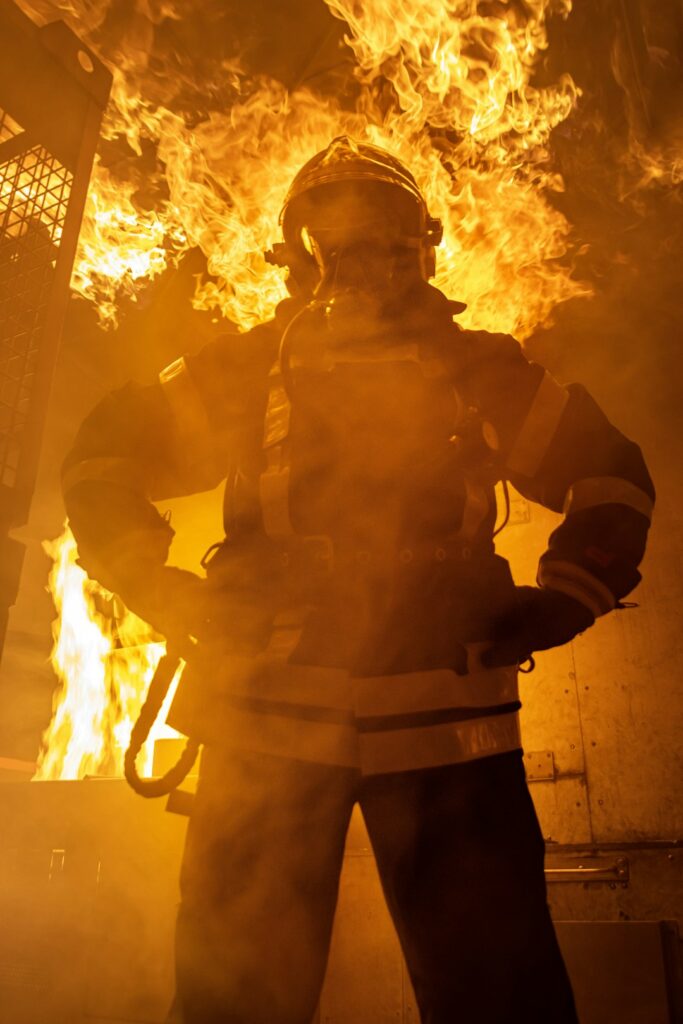

Before the shift begins, a responsible site representative should explain the work, the building layout, and the reason for the watch. A useful briefing identifies combustible storage, concealed spaces, access points, alarm equipment, exits, telephones, and areas affected by an impairment. It should also state who has authority to pause the work and how concerns will be escalated. Businesses reviewing fire watch guards should ask whether these details are recorded in writing, rather than relying on a verbal handoff that may be forgotten when crews or shifts change.
Hot work includes activities that create flame, substantial heat, or sparks, such as welding, torch cutting, brazing, soldering, grinding, and some roofing operations. The visible work may stop before the fire risk ends. A heated fragment can lodge behind a wall, and hot metal or embers can affect nearby packaging, insulation, dust, or stored materials. The guard watches the active work area and checks nearby locations after the tools are shut down. The length and scope of that post-work observation should follow site conditions, the work plan, and applicable fire safety direction, not an assumed universal interval.
A fire protection impairment is a temporary loss of a protective feature, such as part of a sprinkler system, an alarm panel, a smoke detector circuit, or a standpipe. The guard adds observation during the outage but cannot provide the same function as the disabled equipment. The assignment should identify exactly what is out of service, where the affected boundary lies, and which areas need attention. Monitoring one isolated service room differs from covering several occupied floors. Smoke may travel through corridors, shafts, ceiling voids, and open construction penetrations, so the watch area should reflect the building rather than only the repair location.
Patrols should be based on the hazard and the building’s layout. A guard may stay near a welding operation, inspect rooms beside it, and check spaces above and below where openings allow heat or sparks to travel. The guard should have a clear route and enough access to inspect without entering an unsafe area. A written log normally records the time, location, conditions, and action taken. Small details matter. If cardboard is moved away from a torch, a door is closed, or a blocked exit is reported, noting the correction prevents the next shift from repeating the same conversation.
Consider an occupied apartment building undergoing renovation. A contractor is cutting metal in a ground-floor utility room while residents remain upstairs. The watch may cover the room, adjoining corridors, pipe and cable openings, and the route to an alarm device or telephone. Before work starts, the guard should confirm the street address, responder access point, building contact, and any residents who may need assistance during an evacuation. A common misunderstanding is that watching the contractor is enough. The guard must also notice conditions outside the immediate work area and report the precise location of smoke or flame.
Communication equipment and authority should be checked before the first spark. Depending on the property’s procedure, the guard may use a radio, mobile phone, alarm pull station, or another approved reporting method. A minor hazard, such as loose packaging beside a heat source, should be corrected when authorized or reported without delay. Visible flames, rapidly spreading smoke, an explosion hazard, or a threatened occupant calls for emergency notification and evacuation actions under the site’s plan. The guard should not attempt an unsafe attack on a fire. A quick radio check and a confirmed emergency contact number can prevent confusion later.
A building representative comparing providers can ask about required credentials, construction or occupied-site experience, supervisor availability, shift handoffs, written logs, and procedures for missed check-ins. The provider should be able to explain how the assignment is adjusted when work moves, weather changes, residents remain on site, or access becomes restricted. Property staff should also review local fire department expectations, insurance conditions, permits, and impairment procedures independently. A site manager may consult fire safety planning guidance while preparing questions, then document the arrangements in the work file. The watch closes with a final inspection, a handoff to the responsible manager, and confirmation that impaired alarms or suppression equipment have returned to service.