
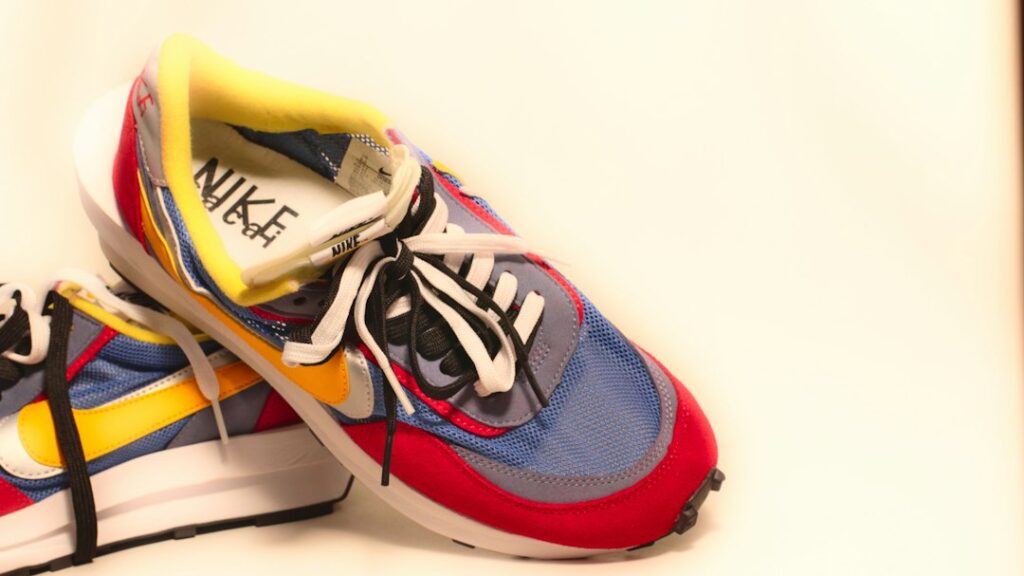

Molding usually involves heating or softening a layer so it can take the impression of your foot. As it cools, the material keeps more of that shape. This is different from simply buying a soft, cushioned insert, which compresses under weight but does not necessarily guide the foot. If you are comparing moldable shoe insoles, check the fitting instructions first. Some are shaped at home, while others require a retailer or clinician. The process matters because uneven positioning, too much pressure, or molding inside the wrong shoe can produce an inaccurate result.
Arch support is the raised section under the inside of the foot. It should support the arch without feeling like a hard bump. A heel cup is the curved rear section that helps center the heel and can limit side-to-side movement. Pronation describes the foot rolling inward as it accepts weight; some inward motion is normal, but excessive motion may contribute to fatigue for certain wearers. Insoles do not diagnose the cause of pain or correct every walking pattern. They simply change how force is distributed, so comfort during ordinary steps is a more useful test than a dramatic feeling of correction.
Consider a warehouse worker who stands on concrete for eight hours. A firmer insole with a stable heel cup may feel better than thick, squishy foam because it keeps its structure under repeated loading. That same design might feel harsh to someone walking casually in lightweight sneakers. Cushioning is the material’s ability to absorb and spread impact, while support is its resistance to unwanted collapse. They are related but not identical. More cushioning is not automatically more comfortable, especially when it raises the foot and reduces the room available inside a snug boot.
Shoe compatibility deserves as much attention as foot shape. An insole that is too thick can lift the heel, crowd the toes, or press the top of the foot against the shoe. Remove the original removable insole before testing, but do not force a replacement into footwear with a fixed, narrow footbed. A runner may need a lighter design that bends with the shoe, while a construction worker may prioritize a stable base and durable covering. Compare the new insole with the old one for length, width, and heel height before trimming anything, and preserve a return option until the fit proves comfortable.
Break in a new pair gradually rather than wearing it for a full shift on day one. Try 30 to 60 minutes at home, then inspect your feet for hot spots, redness, numbness, or persistent pressure. Mild awareness of a new arch shape can fade, but sharp pain is a reason to stop and reassess. For custom insole fitting, accurate measurements and clear communication about your shoes and activities are more useful than selecting support by appearance. A person with diabetes, reduced sensation, significant swelling, or ongoing foot pain should ask a qualified health professional before experimenting.
Care also affects service life. Let damp insoles dry at room temperature, keep them away from direct high heat, and follow the maker’s cleaning guidance because heat can change molded materials. Check for compressed cushioning, cracked shells, separating layers, or a heel cup that no longer holds its shape. If symptoms persist after a sensible fit trial, the issue may involve footwear, training load, skin irritation, or an underlying condition rather than the insert alone. Moldable insoles are a practical fit tool, not a guarantee of pain relief. Their value comes from matching structure, volume, and material to the specific shoes and work the wearer actually uses.


