
The table’s purpose should shape the pace. A pre-theater couple may want one opening cocktail and a shareable pizza ordered promptly, with no expectation of lingering over several courses. Friends catching up after work can start with drinks, discuss the menu, and add food once everyone has arrived. This approach, called menu pacing, matches the order and timing of dishes to the length of the visit. It also prevents a familiar mistake: ordering too much too early, then feeling pressured to finish because every item reached the table together. A simple habit helps: check the reservation or ticket time before deciding whether there is room for another round.
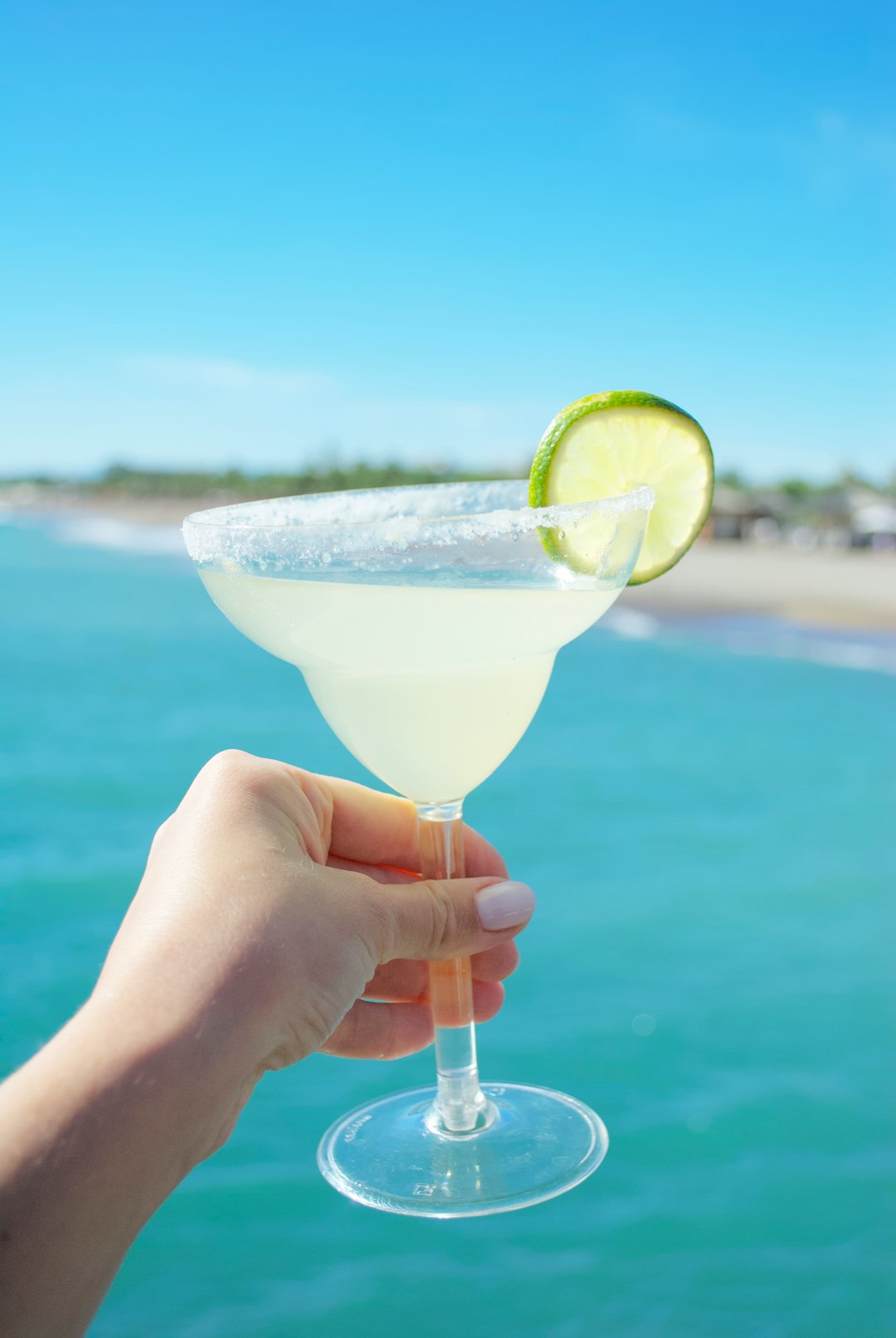
Cocktail selection deserves more thought than a catchy name. Consider sweetness, acidity, bitterness, alcohol strength, and dilution, which is the water added as ice chills and mixes the drink. A bright, citrus-led cocktail may feel lively beside a rich slice, while a spirit-forward drink can become more noticeable after salty or delicate toppings. Guests do not need technical vocabulary to make a good choice. They can say they prefer something dry, refreshing, bitter, or lower in intensity and ask what fits those preferences. Water should arrive with the first round, especially if the table expects to stay for more than one drink.
Pizza changes the pairing from bite to bite. A thin, crisp crust offers a different texture from a soft, chewy one, while cheese, sauce, and toppings alter the meal’s richness. Tomato sauce and other acidic ingredients can provide freshness against fat, and a vegetable-heavy pie may suit a clean, refreshing drink. Sausage, cured meat, or extra cheese can call for bubbles or a touch of bitterness to keep the palate from feeling weighed down. These are flexible guidelines, not rules. Sharing one pie before ordering another also lets the group judge portion size, crust texture, and how the drinks are working with the food.
Picture four colleagues arriving with limited time. They order a large pie and four elaborate cocktails, but skip water because they want to keep the table uncluttered. The drinks arrive several minutes apart, and one guest receives a cocktail after everyone else has started eating. A smoother sequence would be water first, one or two shared opening drinks, then the pizza once the group is ready. Telling the server that the party has a show creates a clear service target without demanding special treatment. It also helps the kitchen and bar coordinate rather than treating every item as an unrelated ticket.
The room itself influences the experience. Lighting, table spacing, music, and acoustics affect whether people can follow a conversation while sharing food. A visually distinctive, andy warhol-themed setting may make an ordinary dinner feel like a planned outing, but appearance should not replace practical communication. Guests can mention a seating preference, dietary concern, or departure time when they sit down. It is also worth deciding who will share the pizza and who may want a separate plate before the first order is placed. That small conversation avoids repeated questions and mid-meal changes once the table is busy.
For a relaxed evening, the group might begin with cocktails, order a pie after the first conversation settles, and decide on another drink only after eating. For a pre-show meal, the better plan may be water, one drink per person, a pizza ordered early, and a check requested before the final slices disappear. A designated person can keep the show ticket open on their phone and give the table a ten-minute warning, while another confirms that everyone has received food. Those modest steps leave room for conversation, keep the meal in sequence, and let pizza and cocktails support the night instead of competing with it.