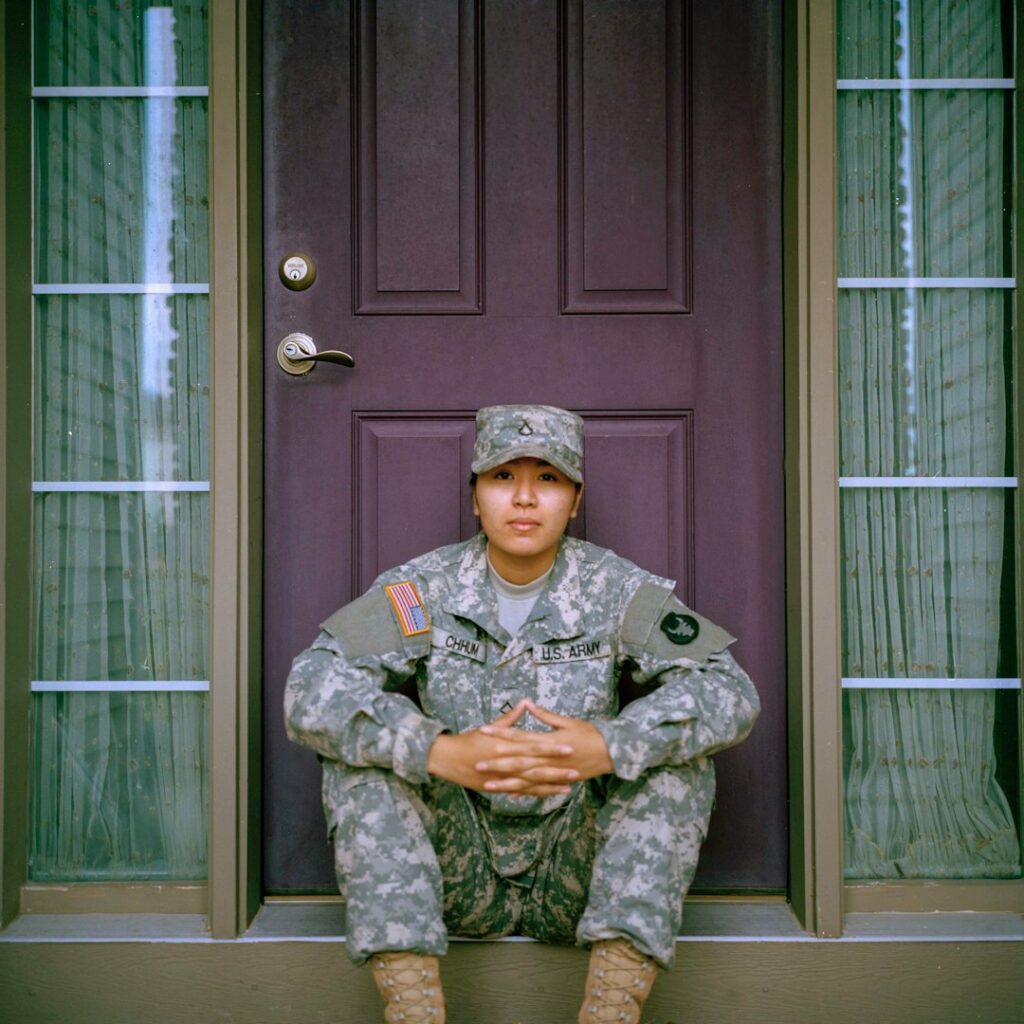
Organizing an event to support veterans demands a clear understanding of their distinct needs. Imagine a local business owner planning a fundraiser or an awareness event. They often get bogged down by details like finding a venue that respects military traditions or designing a program that connects with veterans and their families. The atmosphere must be respectful and engaging, while also covering practical elements such as accessibility and timing. A common snag is underestimating how much time it takes to coordinate with veteran groups or secure permits, so building a buffer into your schedule is wise.
A solid grasp of military culture and protocol is key for any event planner working in this space. Knowing when and how to include a color guard, or when to observe a moment of silence, adds depth and meaning. It’s not just about the ceremony; understanding the significance behind medals, flags, and ranks helps avoid missteps that can alienate attendees. For example, misplacing a flag or mixing up service branch honors can cause unintended offense, so double-checking these details with veteran advisors is a common practice.
Different types of events serve different purposes and require tailored planning. Job fairs need close coordination with employers who appreciate veterans’ skill sets, including translating military experience into civilian job qualifications. Memorial services focus heavily on emotional resonance, carefully selecting speakers who can share personal stories or historical context. Family-friendly festivals must balance entertainment with educational content about veterans’ contributions. Each event demands a unique approach to logistics, from sound systems suited for outdoor gatherings to providing quiet spaces for veterans who may need them.
Collaboration with local veteran service organizations and businesses can transform an event. These groups offer not only credibility but also access to speakers who bring authenticity and insight. They can identify unmet needs within the community, like mental health resources or job placement programs, guiding the event’s focus. Local businesses provide sponsorships and in-kind support, such as catering or equipment rental, which can reduce costs significantly. One practical tip is to formalize these partnerships early in the planning phase to avoid last-minute gaps.
Communication before and after the event is critical. Using social media channels and newsletters keeps the community informed and builds momentum. Announcing key participants or special activities grabs attention, while post-event surveys reveal what worked and what didn’t. It’s common for planners to find that simple changes, like clearer parking instructions or adding wheelchair ramps, make a big difference in veteran satisfaction. Consistent follow-up also strengthens relationships for future events.
Staying updated on issues affecting veterans helps tailor event content meaningfully. Topics like access to mental health care, employment hurdles, or benefits changes are often front and center. Including panels or informational booths on these subjects can engage attendees beyond socializing. It’s practical to consult recent government publications or veteran advocacy groups for accurate information. Ignoring these ongoing concerns risks making events feel disconnected from veterans’ realities.
For those setting out to plan veteran support gatherings, tapping into local services that specialize in these events is smart. These professionals bring knowledge about venue selection, programming ideas, and outreach techniques tailored to military audiences. They also understand common pitfalls, like scheduling conflicts with national observances or miscommunications with veteran groups, and help avoid them. Working with seasoned planners can save time and improve the overall impact.
There are numerous online resources offering guidance on effective event planning for veterans. Sites like veteran support events provide practical tips and templates that save hours of trial and error. Staying current with trends in veteran engagement helps planners keep their approach relevant and respectful.
By building strong community ties and focusing on meaningful programming, event organizers can create experiences that truly honor veterans while addressing their specific needs. Whether it’s a small meet-up or a large public event, attention to detail, from the invitation wording to the choice of music, matters in crafting a setting that respects and supports those who served. resources for veteran event planning offer additional insights for anyone committed to getting it right.