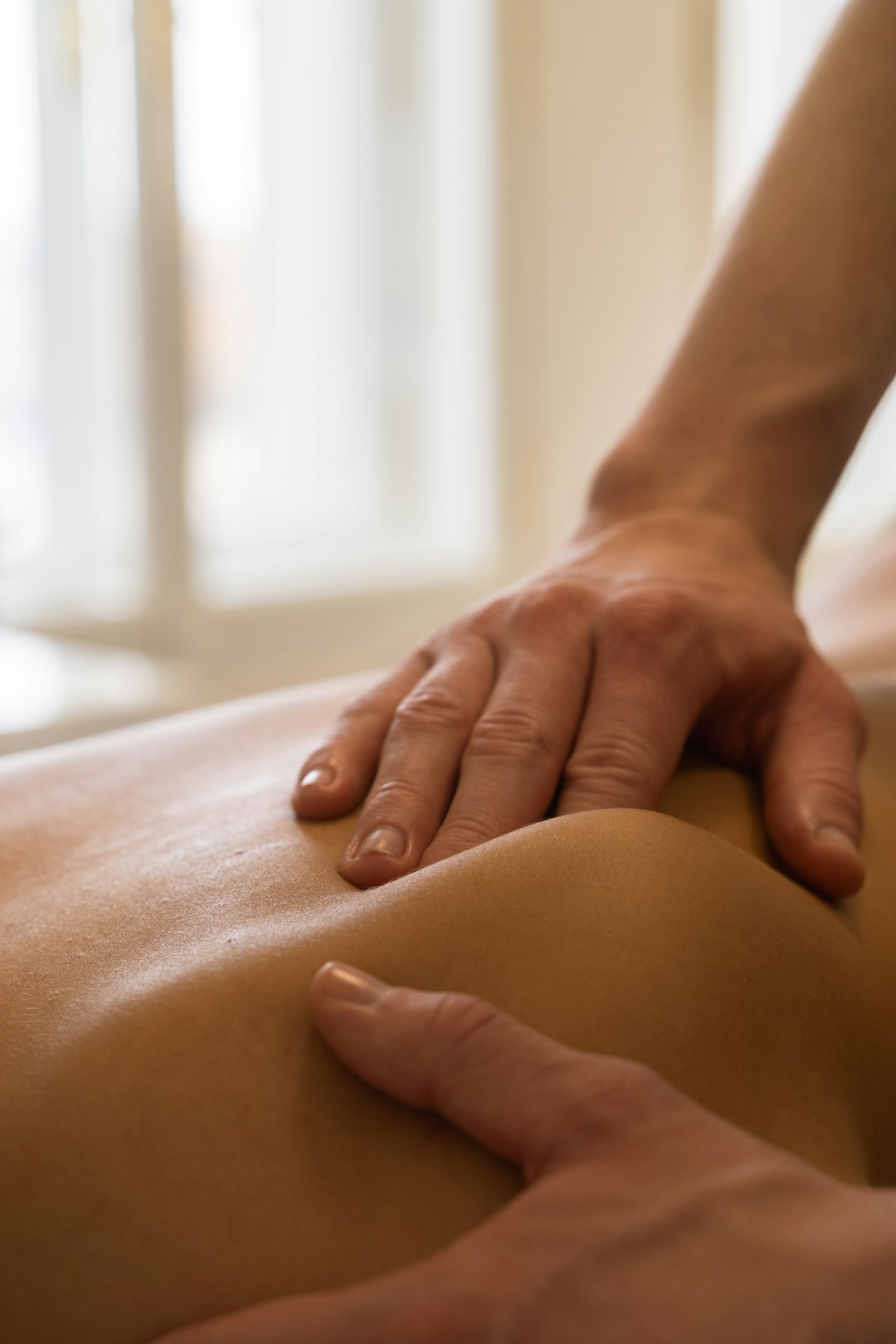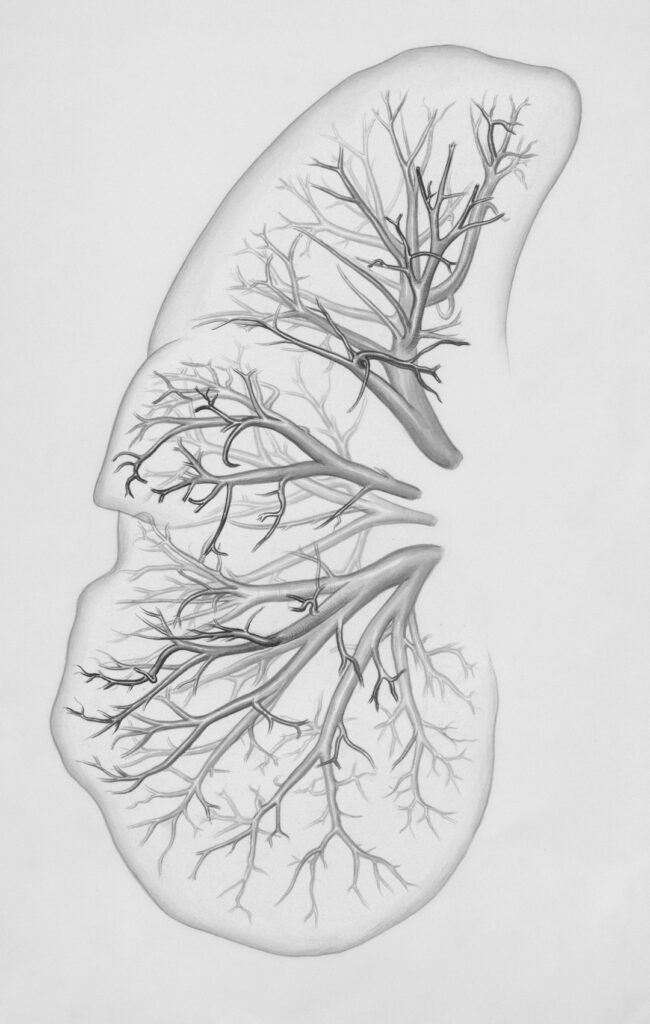

Several techniques help manage secretion clearance, each tailored to different patient needs. Chest physiotherapy is one common method, using manual percussion and postural drainage to loosen thick mucus. This approach is especially important for people with cystic fibrosis or bronchiectasis, where thick secretions are routine. Positive expiratory pressure (PEP) devices are another tool; they create resistance during exhalation which helps keep airways open and moves mucus toward larger airways where it can be coughed out.
Consider an elderly patient recently discharged after pneumonia. Reduced strength and mobility make self-clearing secretions difficult. Mobile physiotherapy can address this by providing home visits where therapists teach personalized techniques like positioning, breathing exercises, and assisted coughing. Such tailored support prevents unnecessary hospital visits and helps maintain independence.
Education forms a cornerstone of effective secretion management. Patients often misapply coughing techniques, either coughing too weakly or too forcefully, which can be counterproductive. Teaching methods like huff coughing, short, sharp exhalations, can mobilize secretions without causing airway collapse. Written instructions combined with practical demonstrations help cement these skills. Involving family members is also beneficial since they can notice changes in sputum color or volume that signal infection or worsening conditions.
When clearance is inadequate, lung infections tend to recur, complicating chronic illnesses including COPD and bronchiectasis. This leads to more frequent exacerbations and hospital admissions. Preventive care through consistent physiotherapy reduces these episodes. A physiotherapist will often check in on patients’ adherence to treatments and adjust techniques based on progress or setbacks, preventing small issues from escalating.
Resources exist for those wanting to delve deeper into respiratory physiotherapy methods. Engaging with clinicians who specialise in airway clearance can offer practical advice on device selection, technique refinement, and symptom monitoring. The website secretion clearance provides detailed guidance on these topics.
Patients should feel encouraged to ask questions about their treatment plans and keep open communication with their healthcare team. Small details such as timing physiotherapy sessions before meals or ensuring adequate hydration can improve mucus clearance significantly. Regularly reviewing progress with a physiotherapist helps catch misunderstandings early, like using a PEP device incorrectly or skipping exercises due to discomfort.
Effective secretion clearance depends on combining appropriate physical techniques with education and continuous support. With proper guidance, patients can manage secretions more confidently and reduce the risk of complications that disrupt daily life. For tailored advice on managing lung secretions at home, visit respiratory therapy at home.