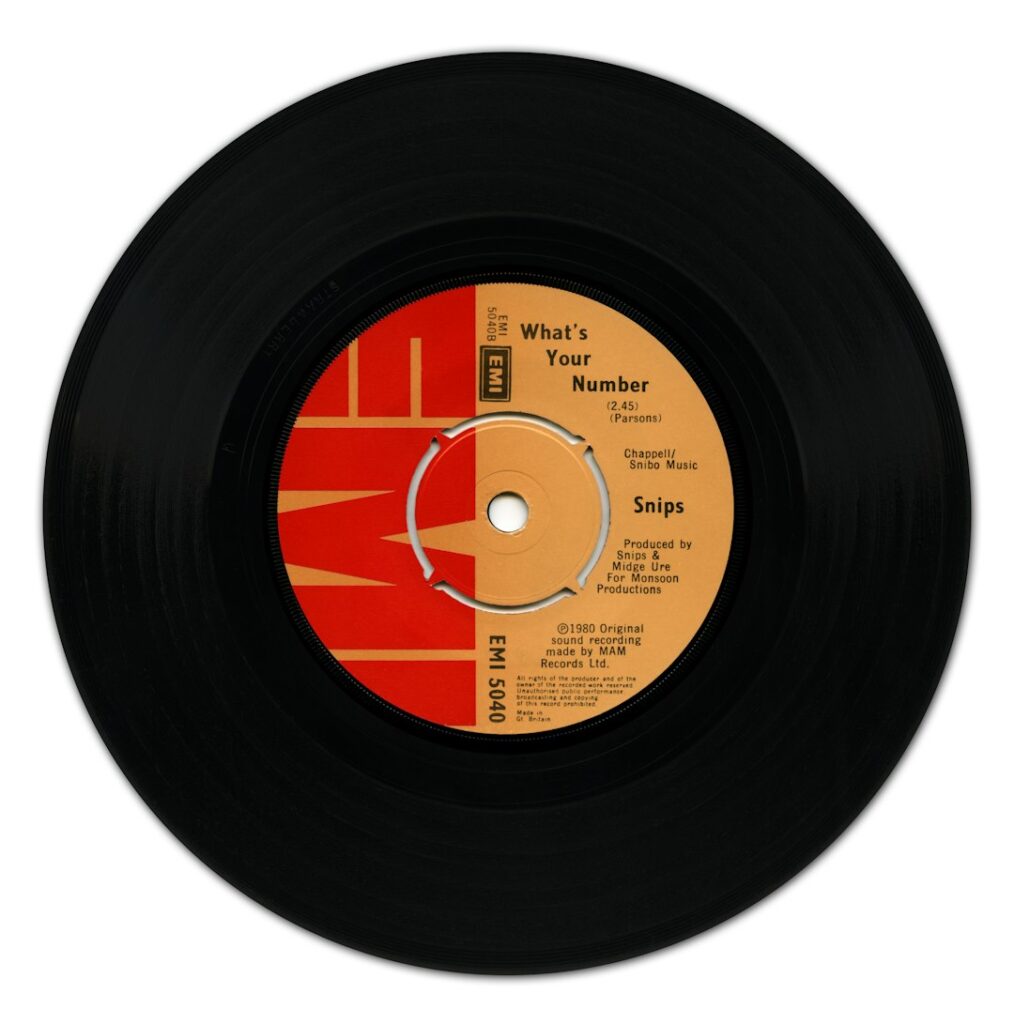

The inner sleeve has the closest contact with the record, so start there. Plain paper costs little, yet its texture can rub against the disc during removal and replacement. Polyethylene and polypropylene offer smoother surfaces and are widely used for record storage. An anti-static design can reduce the charge that attracts loose dust, although it cannot clean contamination already on the record. Check the inside for grit before inserting a disc. Hold the record by its edge and label area, then guide it in rather than pushing down on the center.
Thickness brings a practical compromise. Thin sleeves save space and suit a large collection, but they can wrinkle or collapse during repeated handling. Heavier sleeves resist folding and feel more substantial, though a shelf packed with them can become noticeably tighter. A collector filling a narrow cabinet may reasonably choose slim inners, while someone storing a small group of valuable records may prefer extra structure. The useful test is not the advertised thickness. The record should enter smoothly, remain fully covered, and leave the sleeve flat rather than bowed.
Do not force an inner sleeve into a tight jacket. Pressure can stress an older jacket, split a brittle opening, or place unwanted force on the record. If the original inner is cramped, torn, stained, or rough at the seam, set it aside and use a clean replacement. Collectors who care about provenance can keep the original materials in a labeled paper folder beside the record rather than discarding them. That preserves historical context without making the playing copy live in a damaged or dirty enclosure.
Outer sleeves protect the jacket from fingerprints, shelf rubbing, and minor spills. Clear plastic is useful for visibility, but clarity alone says little about fit or durability. Measure the jacket type before buying: a standard single album, a double set, and a gatefold do not occupy the same amount of space. A gatefold has a hinged cover and needs additional width. A sleeve that catches on corners is too close, while one with excessive room lets the jacket shift and leaves an opening where dust can collect.
Acid-free paper is worth understanding, especially for jackets kept for decades. Paper with acidic content can yellow and become brittle over time, and it may mark material that stays against it. Acid-free describes the paper’s chemical composition only. It does not make the sleeve waterproof, scratch-proof, or automatically archival. Read the product description rather than relying on a vague word such as premium. For more record storage supplies, compare stated dimensions and materials with the sizes already in your collection.
Storage conditions can matter as much as sleeve choice. Keep records upright with enough neighboring support that they do not lean, and avoid direct sunlight, radiators, damp walls, and rapid temperature changes. A basement shelf may be convenient, but humidity can encourage musty jackets and soften cardboard. During cleaning, inspect the seams for sharp edges, cloudy plastic, trapped grit, and tears instead of replacing every sleeve at once. Keep several sizes available if the collection includes singles, standard albums, double records, and gatefolds. Store the inner sleeve behind the jacket inside the outer sleeve if that arrangement reduces strain on the opening.