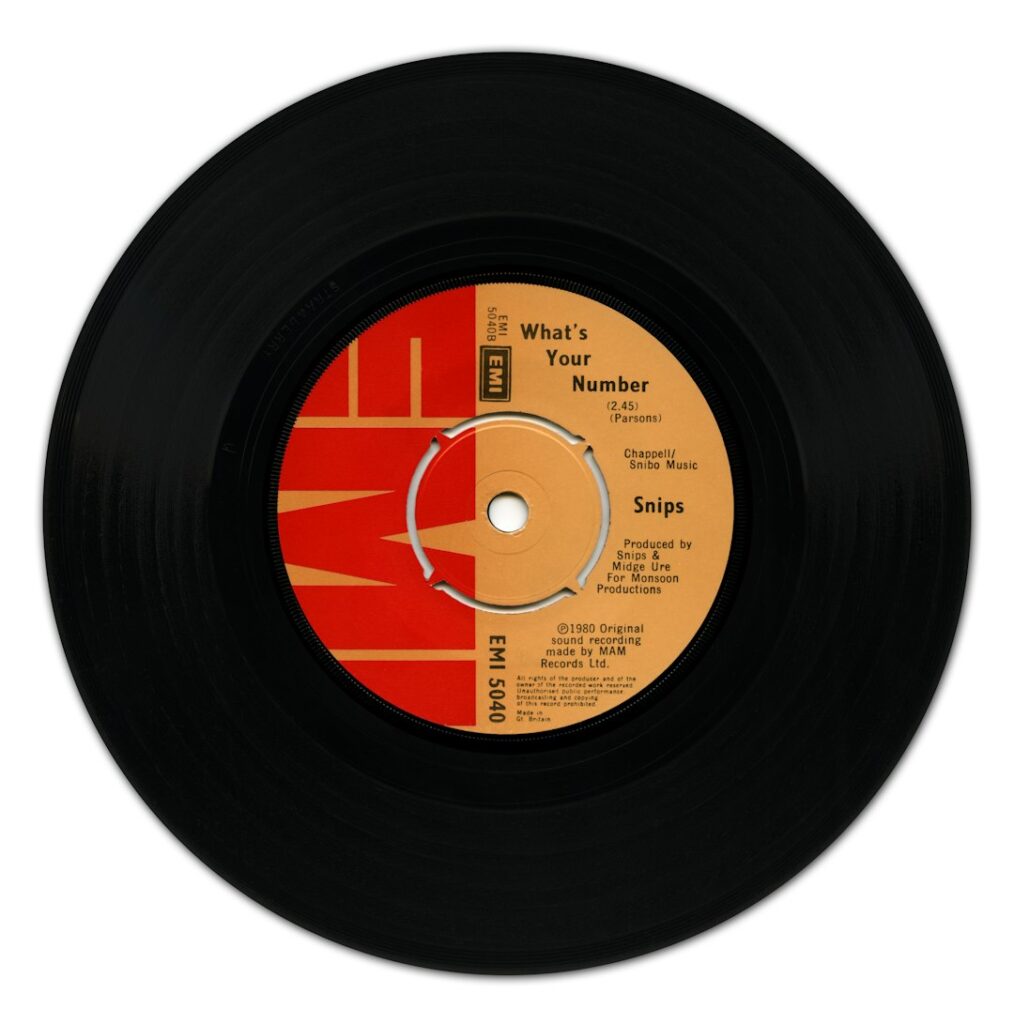

One mistake many make is fixating on well-known artists or popular genres. This narrows the field and causes you to miss out on intriguing sounds from less mainstream acts. For instance, if rock is your go-to but you only pick up the usual bands, you might overlook underground groups with fresh takes. Checking out sections like jazz, punk, or world music can reveal unexpected treasures that add depth to your collection. A good habit is to flip through records outside your comfort zone regularly, even if just to sample a track.
Paying close attention to vinyl condition also matters more than most realize. Records are graded from mint to poor based on surface quality and sound integrity. A cover might look flawless but the disc inside could have scratches or warps that ruin playback. Experienced collectors often bring a flashlight to inspect grooves closely or lift records gently to check for warping. Knowing how to recognize grading terms and what issues are deal-breakers can save you from costly mistakes at the checkout.
Sticking rigidly to familiar genres limits both your collection and your understanding of music’s evolution. Exploring styles like electronic or ambient can introduce you to sounds that challenge and expand your taste. For example, if soul music is your preference, electronic beats sometimes carry that same groove in new ways. This kind of exploration not only broadens what you enjoy but also makes conversations with other vinyl fans richer and more interesting.
Store layouts vary widely and can impact how you shop. Some organize strictly by genre, while others group records by mood or theme. This variety can be confusing if you’re new to vinyl shopping. Don’t hesitate to ask staff for help; their recommendations often point you directly to hidden sections or local artists worth hearing. Staff might also share tips on upcoming releases or special events tied to the store.
Once you’ve bought your records, maintaining them is essential for keeping sound quality intact. Proper cleaning with a dedicated solution removes dust without damaging grooves, and storing records vertically prevents warping over time. Avoid stacking them flat or leaving them in direct sunlight or humid areas. Regularly inspecting sleeves for wear and replacing inner liners when needed helps preserve both aesthetics and playback quality.
Connecting with the local vinyl community opens up opportunities beyond just buying records. Events like record fairs, swap meets, or listening parties offer chances to hear rare pressings and trade albums. Engaging in discussions about pressing quality or favorite labels enriches your knowledge and enjoyment. For those interested in joining such gatherings, check out local listings or visit vinyl events near you for up-to-date information.
If you want reliable places stocked with diverse selections, vinyl music stores remain one of the best options. They provide not just inventory but a community hub where collectors and casual listeners alike share their passion. Spending time there, asking questions, and handling records yourself builds experience and confidence that no online shopping can replace.