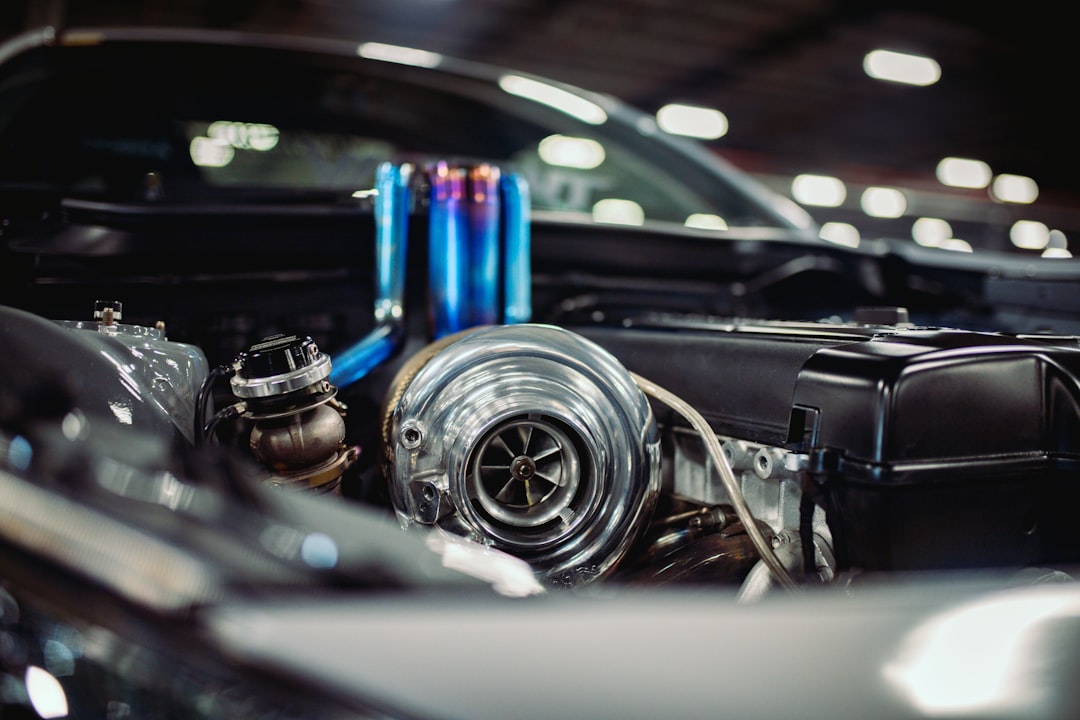
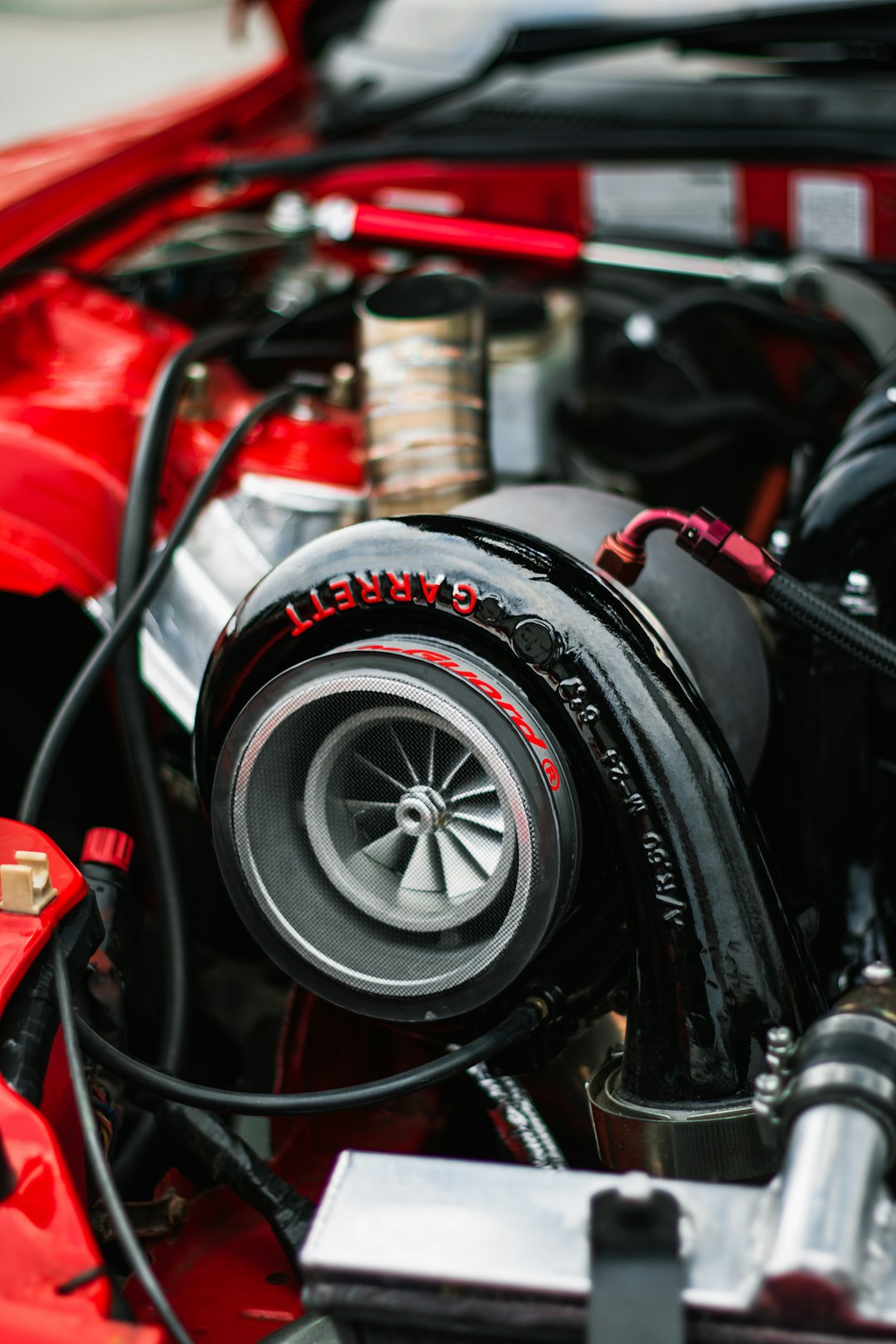
A compressor map provides a more useful starting point than a single airflow number. It shows how efficiently the compressor operates across combinations of airflow and pressure ratio. Pressure ratio uses absolute pressure on both sides of the compressor, so a gauge boost reading alone is not enough for a meaningful comparison. The engine’s likely operating points should fall within an efficient portion of the map, including steady cruising, full-throttle acceleration, and the upper end of the rev range. A turbo that is too large may spend ordinary driving outside its useful area, while a small unit may create excessive heat near maximum load.
The turbine side determines how exhaust energy becomes shaft speed. A large turbine housing can reduce restriction at high engine speed, but it may also soften response after a throttle lift or a slow corner. A smaller housing often brings boost in earlier, although exhaust backpressure can rise as the engine approaches its flow limit. The A/R ratio describes the area and radius relationship of the housing passage, so it offers a way to discuss that tradeoff. It does not predict behavior by itself because cam timing, manifold design, turbine wheel size, displacement, and exhaust flow all affect the result. Reviewing HPT Turbos against the intended rpm range keeps the discussion grounded in the full system.
Boost control deserves the same attention as compressor and turbine sizing. The wastegate regulates exhaust flow around the turbine, while the actuator and boost controller determine how that regulation is commanded. Incorrect reference-line routing, an actuator that does not suit the setup, or a calibration that reacts too aggressively can produce boost creep, overshoot, or oscillation. Compressor surge is a separate condition. It occurs when the compressor is pushed against a restriction and airflow becomes unstable, often producing a fluttering sound during throttle closure. A suitable wastegate arrangement, properly routed plumbing, and controlled throttle transitions address different problems than simply raising the boost target.
The charge-air system can change the result seen by the engine. Compression raises air temperature, and hotter intake air reduces density while increasing detonation risk in a spark-ignition application. An intercooler must therefore be judged by more than its core size. Pressure drop, duct shape, fin exposure, mounting position, and airflow through the vehicle all matter. A technician may record pressure before and after the intercooler, then compare those readings with intake temperature during a repeatable pull. That information is more useful than assuming identical boost pressure means identical airflow. Basic turbocharger fitment advice can help organize the initial comparison, but measurements from the finished car should guide the final decision.
Fuel and engine management checks belong on the work order before the turbo is installed. More airflow requires sufficient injector capacity, pump delivery, sensor range, and calibration authority. A setup can spool exactly as intended and still run into a fuel shortfall at high load. The target torque curve should be written down rather than inferred from a peak power claim, because a broad midrange increase can place more demand on the drivetrain than the owner expects. Checking the injector data sheet, pump specifications, and available calibration tables before ordering parts prevents a familiar rework cycle in which the hardware is fitted but the car cannot be safely tuned.
Installation details have a direct effect on turbocharger life. The oil feed needs the correct source and restriction for the bearing design, and the drain must fall continuously toward the crankcase without a low spot that traps oil. Crankcase pressure can interfere with drainage, so ventilation should be inspected rather than assumed to be adequate. Before the first start, a careful installer confirms clean oil lines, primes the lubrication system, checks for exhaust and boost leaks, and verifies that the actuator moves through its intended range. Keeping the build sheet and taking photographs of hose routing may seem mundane, but those records make later fault finding faster.
The calibration session should begin with controlled checks instead of a maximum-effort pull. Confirm measured boost, intake temperature, fuel pressure, and relevant sensor readings at several engine speeds, then compare them with the expected compressor operating points. If boost arrives later than planned, the cause may be turbine sizing, exhaust leakage, cam timing, or control strategy rather than a defective compressor. If high-rpm power falls away, inspect backpressure, intercooler pressure loss, and fuel delivery before increasing the target. A street-oriented car may accept less peak flow for predictable response, while a competition engine may justify slower spool and freer high-rpm breathing.