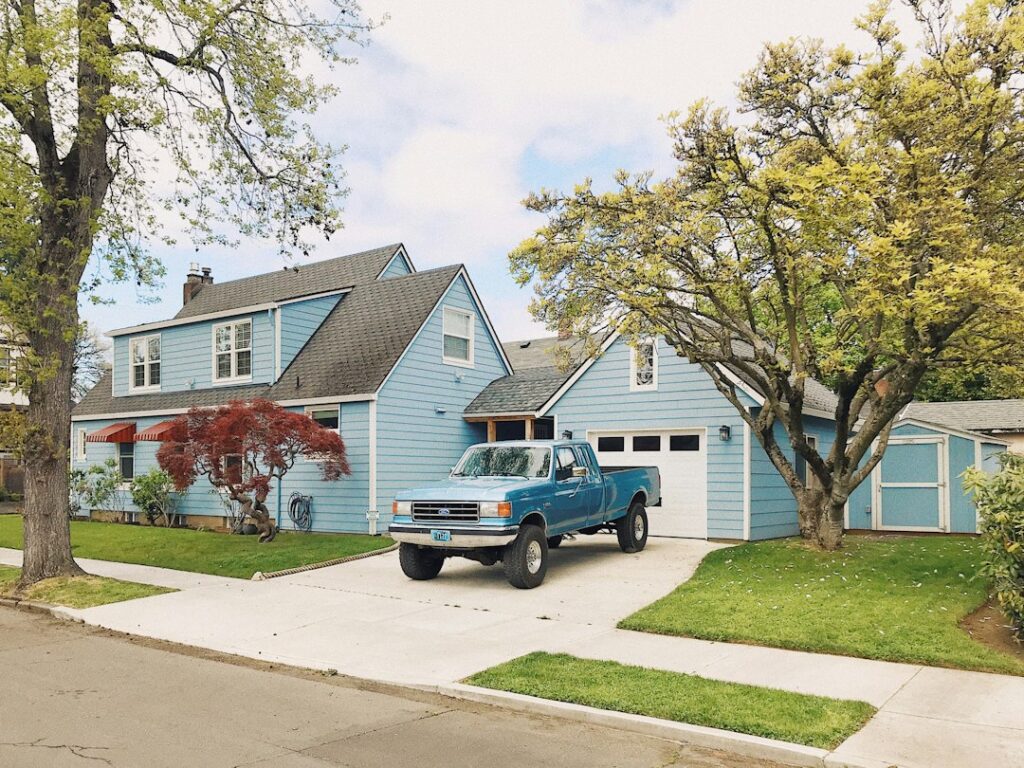

The first useful check is the existing ground beneath the driveway. This layer is called the subgrade, meaning the native soil that supports everything above it. If it is soft, uneven, or holding water, a new surface may settle or crack as the ground shifts. A careful assessment also looks at nearby downspouts, walkway edges, garage thresholds, and low areas where runoff may collect. For example, a driveway that appears level from the street may slope toward a side entrance. Identifying that pattern before excavation allows the layout and base preparation to address the cause rather than disguise it.
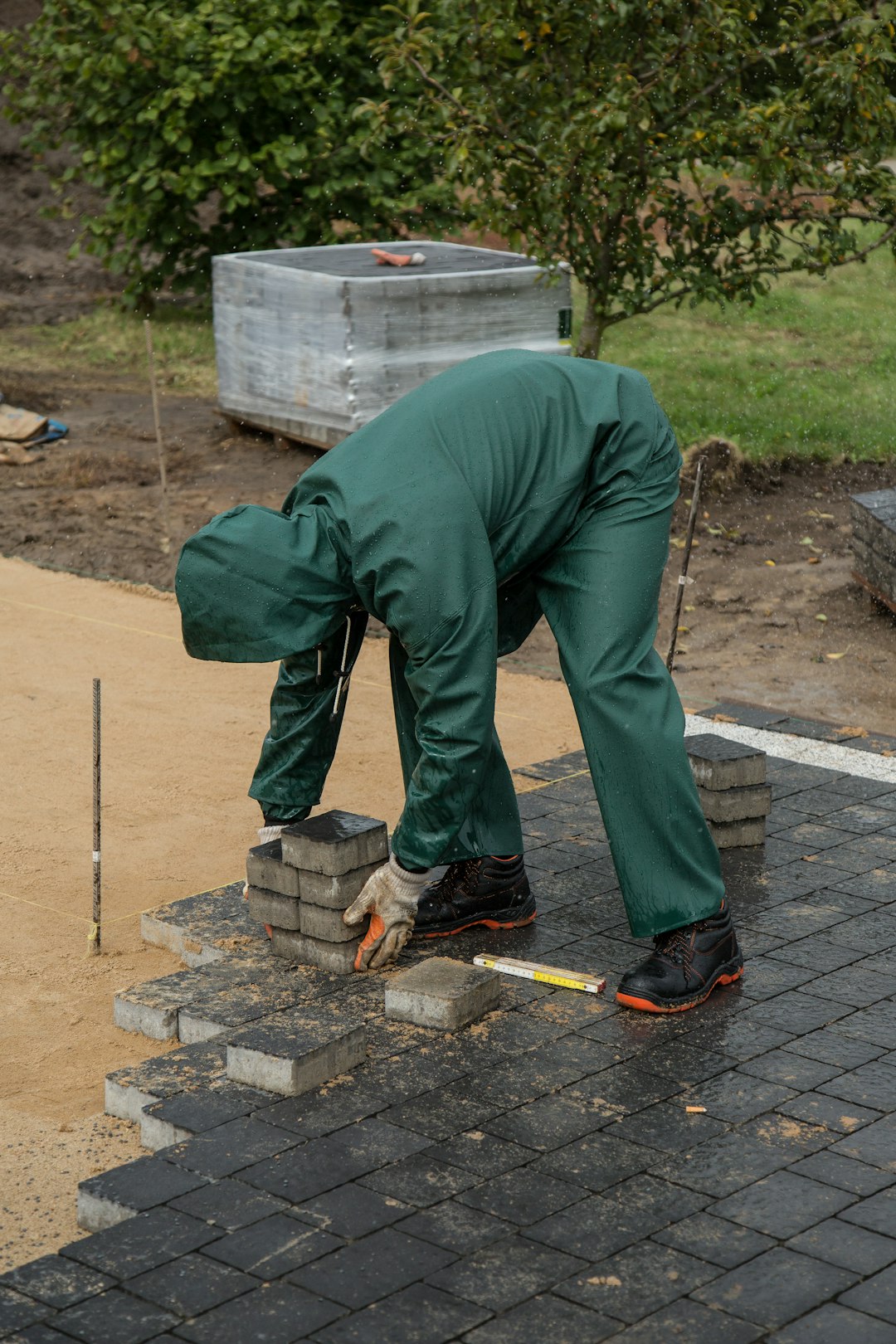
The base is the compacted layer of crushed aggregate placed between the soil and the finished paving. Its job is to spread vehicle weight and provide a stable foundation. Compaction means pressing that material into a dense, consistent layer, rather than simply dumping stone and covering it. If the base remains loose, traffic can create ruts and settlement. If unsuitable soil is left underneath, the surface may move independently of the surrounding ground. A better approach removes weak material where needed, places suitable aggregate in controlled layers, and checks that transitions near the garage and property edges remain even.
Water management deserves its own decision, since pavement rarely fails for only one reason. A gentle cross slope directs rain toward an appropriate edge, while drainage keeps water from sitting beneath the surface. The slope should move water away from buildings without creating a fast stream toward a neighbor or a frequently used walkway. Consider a short driveway beside a house: raising the center without planning the edges could send runoff toward the foundation. The installer should review grades, downspouts, and tie-ins before final paving. Good drainage planning protects both the new work and nearby structures.
Material selection is another place where a quick fix can create future problems. Asphalt and concrete are different systems, with different installation details, appearance, maintenance needs, and responses to movement. Asphalt may be suitable for a broad driveway, while concrete can make sense for a walkway, apron, or repair that needs a defined edge. The decision should reflect the surface use, existing conditions, and desired connection to nearby areas. In a freeze-thaw climate, water entering small openings can expand as it freezes and contract as it melts. Sound preparation and careful joints reduce avoidable stress.
A second scenario involves a cracked walkway meeting an otherwise serviceable driveway. The mistake would be applying a thin patch over unstable edges, leaving the underlying movement untouched. A better repair starts by determining whether the damage comes from settlement, poor drainage, tree roots, or a failed joint. A joint is a planned separation that allows adjacent concrete sections to move without forcing random cracks. If the supporting area is sound, localized repair may be reasonable; if the base has shifted, rebuilding the affected section can provide a more consistent result. The repair should also restore safe, clean transitions.
A dependable paving project ends with clear preparation and a realistic scope, not just a choice of surface color. Homeowners can ask what will happen to unsuitable soil, how water will leave the area, and how the new work will meet existing concrete, steps, and the street. They should also discuss access, removal of old material, curing or settling time, and protection of finished edges. For a project involving excavation, drainage, paving, or repairs, reviewing residential excavation services can help frame those questions. The central lesson is simple: a clean finish begins below the visible surface.