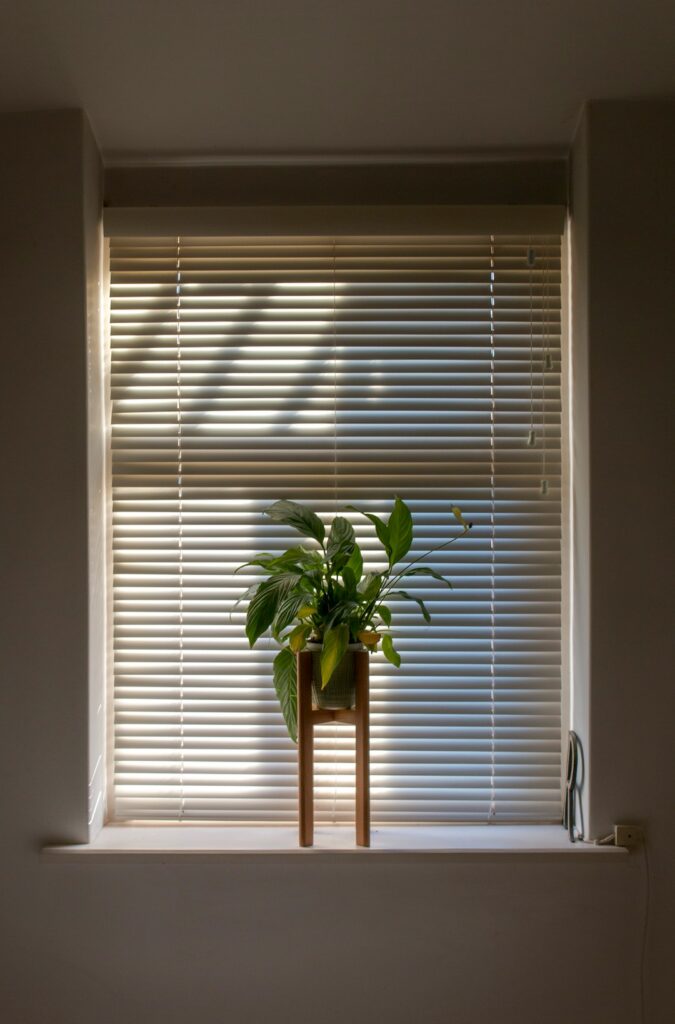

Next, decide what you want the blind to do. A sunstopper blind may be intended to soften glare while preserving a view, reduce incoming warmth, or block light for a bedroom. These aims can call for different fabrics. Openness factor describes how tightly a screen fabric is woven: a more open weave usually retains more outward visibility, while a tighter weave offers stronger glare control and privacy. A room facing a busy street may need privacy after dark as well, since internal lights can reverse daytime viewing advantages. Ask to see fabric samples in the actual room.
Think about solar heat gain, which is the warmth entering through glazing after sunlight reaches the glass. A blind fitted close to the window can reduce the light and heat reaching the room, although its effect depends on fabric, colour, glass and installation. Pale fabrics can reflect more light, while darker screens may preserve a clearer view, but neither choice should be judged from a catalogue image alone. For example, a home office with a west-facing desk may need glare control at eye level, whereas a kitchen window may prioritise easy cleaning and a clear outlook.
Fit is the next practical checkpoint. An inside mount sits within the window reveal and gives a neat appearance, but the reveal must be deep and square enough for the blind and its hardware. An outside mount sits over the opening, which can help cover gaps or shallow reveals. Check handles, flyscreens, tiles and nearby doors before deciding. In an older Dubbo home, an uneven reveal may mean that a technically correct blind still shows a strip of light at one side. A site measure can identify these issues before fabrication.
Operation deserves the same attention as fabric. A chain-operated blind may suit an occasionally used window, while a larger or hard-to-reach opening could benefit from another operating method, subject to the available system and installation requirements. Ask how the blind is raised, lowered, cleaned and adjusted, and make sure the controls will not clash with furniture. If children or pets use the room, discuss safer control arrangements and follow the installer’s care instructions. A blind that is simple to operate is more likely to be used correctly every day.
When comparing local options, look beyond colour and ask what is included in the quotation. Confirm whether it covers measuring, installation, brackets, control components and removal of existing coverings. Clarify how the blind will sit when fully raised, since stacked fabric or a cassette can affect the view. You can explore sunstopper blinds dubbo as part of your research, then compare the proposed solution with your window orientation and daily routine rather than choosing from a name alone.
Before approving the order, test the decision against two ordinary scenarios. Imagine watching television at 4 pm in January, then working at the same window on a bright winter morning. Consider whether the blind still provides useful privacy after sunset and whether neighbouring windows can see through it. Ask for the final fabric description, colour, dimensions, mounting position and operating side in writing. If shutters, curtains or other modern window dressings may solve a different part of the problem, compare them on maintenance, light control and appearance. The right choice should fit the room, not just the sample board.